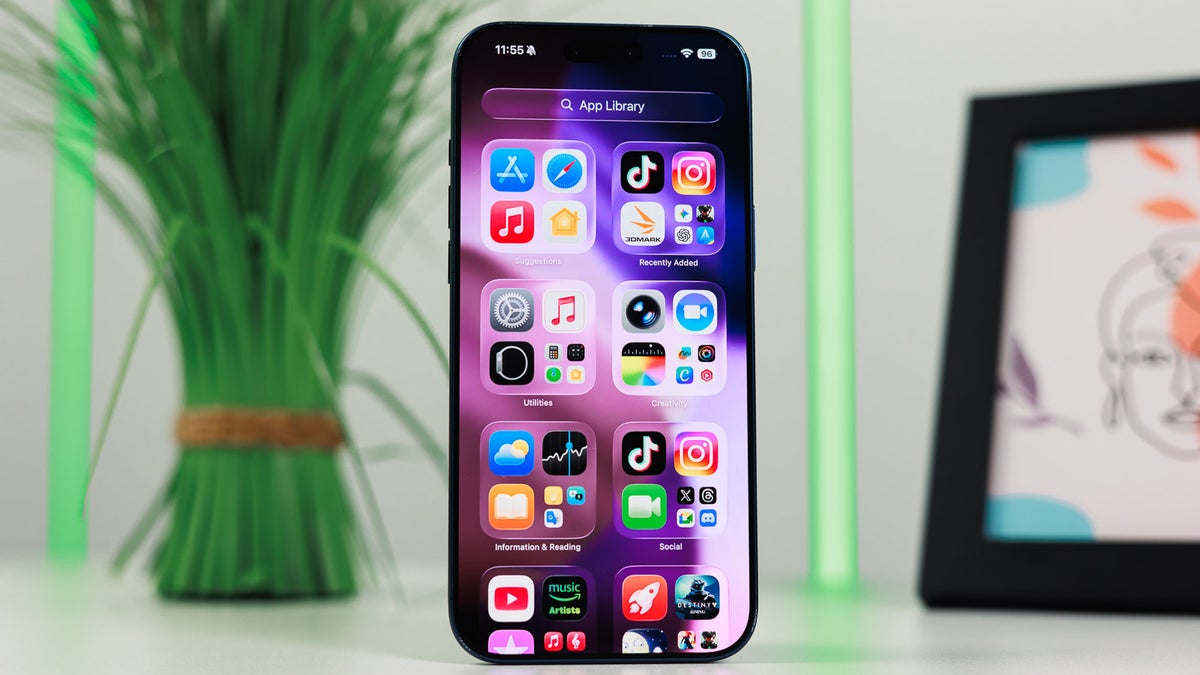
Apple’s rumored iPhone 20 Pro is described as a cutout-free, edge-to-edge display device, and a poll suggests strong consumer interest: over 40% would buy it immediately, while another 14% say it would heavily influence their purchase. Roughly 19% are neutral and about 27% are indifferent, indicating a meaningfully positive but mixed reception. The article also notes that Android makers are reportedly pursuing similar display technology.
The market is underestimating how much a true no-cutout iPhone can re-accelerate the premium-tier replacement cycle. This is not about incremental aesthetics; it is a visible hardware reset that creates a clean upgrade narrative for users who have already stretched replacement windows to 3-4 years. For Apple, even a modest mix shift toward Pro models can matter more than unit growth because the product likely supports higher ASPs, stronger accessory attach, and better carrier subsidy economics.
Second-order winners sit in the supply chain around display, advanced packaging, and assembly yield rather than the obvious consumer device headline. A screen architecture that minimizes cutouts typically raises manufacturing complexity and scrap risk early in the cycle, which tends to favor Apple’s highest-trust suppliers and penalize marginal component vendors with weaker process control. If the design also removes buttons and grilles, the durability conversation becomes more important, which can lift demand for premium cases and warranty/insurance products while also increasing the importance of acoustic and haptic IP.
The key risk is timing: this is a 12-24 month catalyst, not a next-quarter earnings driver. The stock can give back the “design optionality” premium if the feature slips, is watered down, or is framed as a prototype rather than a production-ready platform. The contrarian angle is that investors may focus too much on the visual novelty and too little on whether Apple can convert it into a repeatable platform change; if the launch is mostly a one-off anniversary halo, the revenue upside may be smaller than sentiment suggests.
From a positioning standpoint, this supports owning Apple into the rollout window while fading overhyped adjacent names that benefit only from the narrative. The better trade is to express the theme through suppliers with cleaner operating leverage than through broad consumer hardware beta. Any move should be staged, because the rerating is likely to come in waves: first on leaks/speculation, then on manufacturing validation, and finally on pre-order data.
AI-powered research, real-time alerts, and portfolio analytics for institutional investors.
Request DemoOverall Sentiment
mildly positive
Sentiment Score
0.25
Ticker Sentiment
