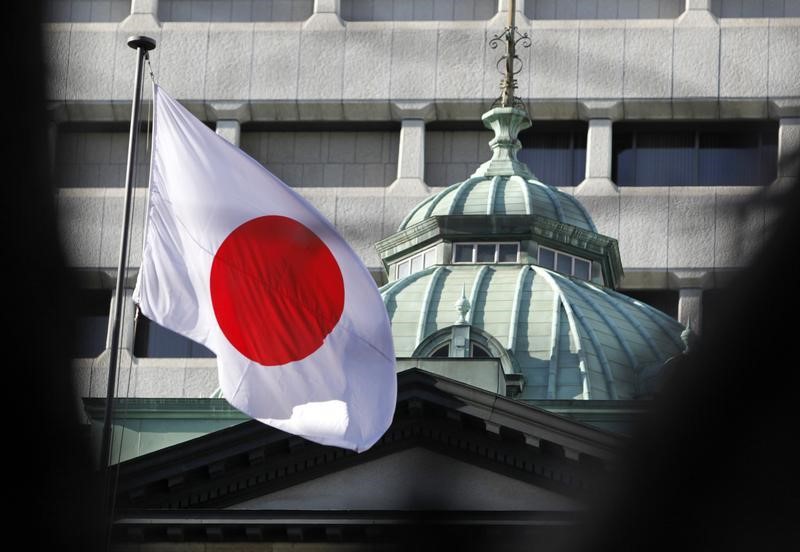
BOJ left the overnight call rate unchanged at 0.75% in a near-unanimous decision with one dissenter calling for a 25bp hike; the bank warned rising crude oil prices tied to Middle East tensions could push inflation higher. The BOJ reiterated underlying CPI is expected to meet its 2% target later in 2026 and noted cumulative tightening of 85bps since early-2024, while markets awaited Governor Ueda's press conference. The yen remained near multi-month lows and the Nikkei 225 fell about 2.5%.
Large, concentrated OEM demand for datacenter-class GPUs (from high-volume industrial and automotive customers) compresses available high-end supply and transfers pricing power to the GPU supplier and its foundry partners. That creates a two-tier market: cloud providers and hyperscalers pay up to secure capacity, while smaller AI firms face longer lead times and higher TCO — supporting elevated ASPs and durable gross-margin tailwinds for the GPU vendor over the next 6–18 months.
A weaker domestic currency for large exporters magnifies imported energy and component inflation, which feeds into OEMs’ margin and capex calculus unevenly — companies with strong vertical integration or captive compute sourcing (large automakers/space firms) can hoard capacity and push supply discipline, while pure-play EV incumbents face sales elasticity if energy costs depress consumer demand. That dynamic raises idiosyncratic execution risk for high fixed-cost manufacturers over the 3–12 month horizon even as compute demand remains structurally strong.
Key near-term catalysts that could re-rate the winners are inventory guidance from the GPU vendor (signalling whether supply is still constrained), a sharp move in energy prices that curbs EV demand growth, and central-bank-driven FX reversals that change repatriation flows and hedging costs. Tail risks include a sudden supply ramp from alternative silicon or foundry capacity that collapses GPU ASPs within 9–18 months, or a geopolitical shock that both spikes energy and disrupts cross-border chip logistics, creating asymmetric downside for growth-exposed industrials.
AI-powered research, real-time alerts, and portfolio analytics for institutional investors.
Overall Sentiment
neutral
Sentiment Score
0.00
Ticker Sentiment
