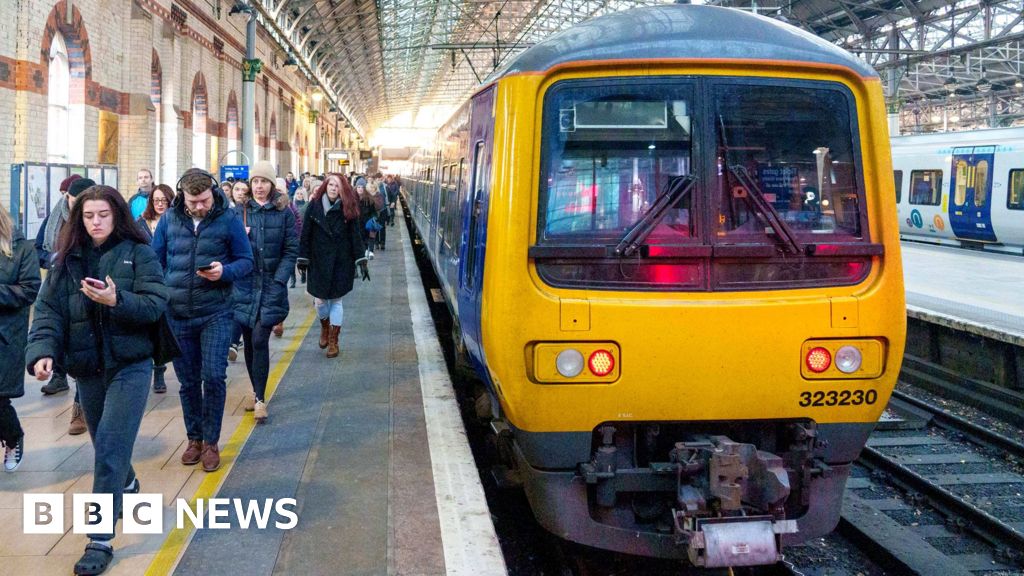
The government intends to propose a new Birmingham–Manchester rail link as part of wider Northern Powerhouse Rail plans, though details are sparse and any build is likely to follow completion of NPR and could take decades. The announcement follows the scrapping of HS2’s original Birmingham–Manchester section and comes amid HS2’s well‑documented problems: the project is tens of billions over budget and about a decade behind schedule, with the shortened Birmingham–London line estimated at £81bn (at least £100bn adjusted for inflation) for 135 miles; HS2 Ltd has acknowledged failures in cost control, underlining ongoing fiscal and political risks for public‑sector contractors and investors exposed to UK rail programme spending.
Market structure: Re-announcing a Birmingham–Manchester line inside the Northern Powerhouse Rail (NPR) pipeline shifts demand toward UK heavy civil contractors, rail systems suppliers, and construction-materials producers over a multi-year horizon (projected build “may not happen for decades” but signals pipeline formation). The headline cost context — HS2's ~£81bn now >£100bn in real terms for 135 miles (~£740m per mile) — raises bidder caution, raises procurement margins for well-capitalised contractors, and compresses the universe of credible suppliers to large-cap builders and vertically integrated materials firms.
Risk assessment: Tail risks include project cancellation, strict cost caps, or political re-prioritisation that could wipe expected revenue (low probability but high impact); conversely runaway inflation in input costs could blow margins for fixed-price contractors. Time horizons: market-reaction in days is muted (political headline), weeks–months will rerate contractors and gilts as funding detail emerges, and quarters–years determine direct revenues. Hidden dependencies: local planning, EU/UK steel supply chains, and pension/credit constraints for mid-cap contractors; catalyst set = spending review, procurement windows, and parliamentary approval.
Trade implications: Expect modest upwards pressure on long-dated UK bond issuance and potential rise in long gilt yields (sell-side prob +50–150bps if unfunded). Construction-materials demand should rise on any firm timetable — steel, aggregates, precast concrete — benefiting large diversified suppliers; rail-system OEMs gain only once procurement windows open. Competitive dynamics favour large balance-sheet players (scale, surety capacity); smaller contractors face credit stress and potential consolidation.
Contrarian angles: The market may underprice multi-year recurring maintenance, signalling durable aftermarket for signaling/rolling-stock suppliers beyond initial capex. If government forces cost-sharing with private partners, PPP/renew infrastructure equities and listed infrastructure funds could re-rate more than pure-play contractors. Historical parallel: UK motorway upgrades and Crossrail showed initial headline delays but created a multi-year supply-chain feast; a patient 12–36 month roll-up in materials/systems names is plausible rather than immediate binary moves.
AI-powered research, real-time alerts, and portfolio analytics for institutional investors.
Request DemoOverall Sentiment
moderately negative
Sentiment Score
-0.40
