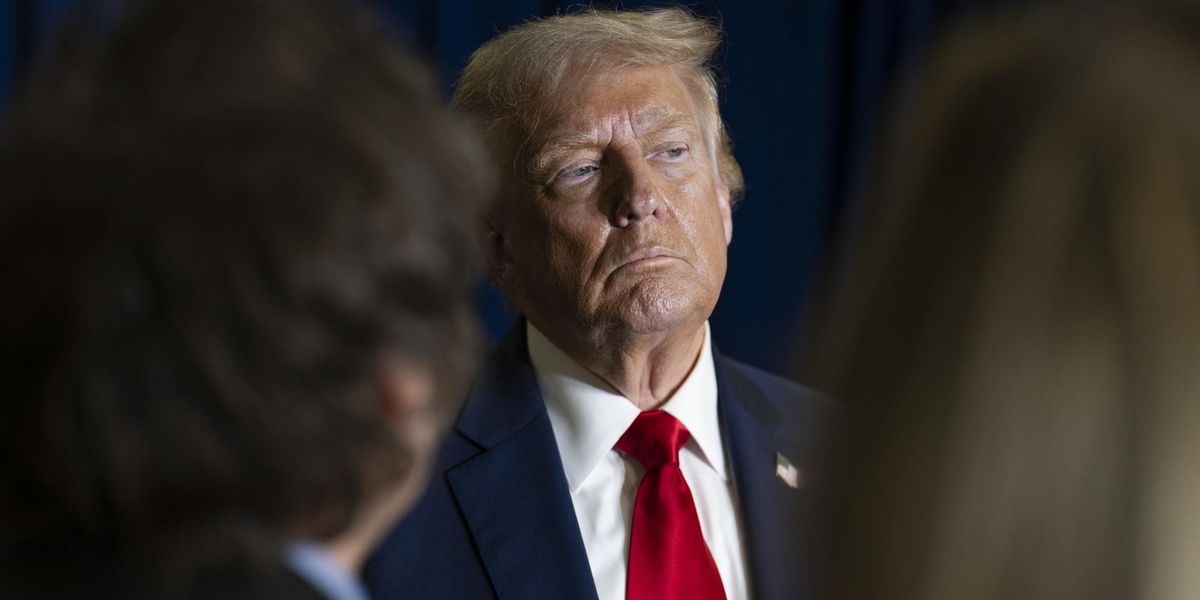
Coordinated Israel–U.S. strikes on the Pars gas field and Iran's large-scale retaliation against oil and gas installations across Saudi Arabia, Qatar and beyond have sharply escalated the conflict and lifted oil-price risk premia. U.S. comments about un-sanctioning Iranian oil on tankers signal a potential, pragmatic easing of sanctions to calm markets, which would materially change oil flows and geopolitical leverage. The situation increases energy-market volatility and political pressure on the U.S. administration (risk to Trump's domestic support), while Israeli actions and timing constraints make a negotiated off-ramp uncertain and risky for markets and portfolios.
A potential operational relaxation of oil sanctions represents a near-term binary that markets are underpricing: an incremental 0.5–1.0 mb/d of seaborne crude could be fungibly available within 7–30 days if exemptions are issued, and the mechanical effect would be a >8% downward re-rate in Brent within that window absent offsetting strategic stock releases. That shock would not be linear — immediate impact concentrates in tanker utilization and front-month Brent contracts as buyers chase cargoes and refiners rebook feedstock, creating a quick volatility pulse followed by a two- to three-month price mean-reversion as cargoes settle into new offtake networks.
Second-order winners are those that capture short-duration transport / insurance scarcity rents: VLCC/tanker owners and P&I reinsurers see margin expansion when seaborne flows are rerouted under higher-risk underwriting conditions, while ports/refinery logistics providers near new load/discharge hubs will monetize congestion. Conversely, EM sovereigns and energy-linked credit with heavy FX exposure are at elevated rollover risk if oil prices spike again — a re-escalation would widen CDS and tighten commercial paper windows in 2–8 weeks, forcing issuance at punitive spreads.
The political timing mismatch creates an asymmetric trade window: policymakers needing a rapid narrative may prefer quick, reversible exemptions rather than permanent relief, so expect volatility concentrated around policy statements and AIS/container flows rather than gradual structural price shifts. Key market signals to monitor are tanker AIS darkening/unblinking, insurance premium notices (mid-market), and 1–3 month Brent calendar spreads; these will move before headline confirmation and provide a 24–72 hour execution edge for positioning.
AI-powered research, real-time alerts, and portfolio analytics for institutional investors.
Request DemoOverall Sentiment
strongly negative
Sentiment Score
-0.70
