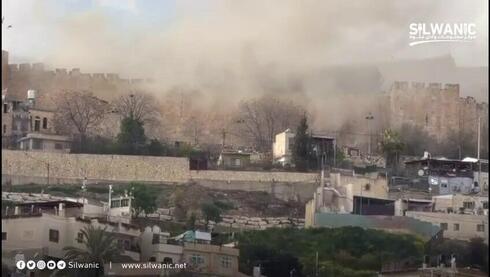
Key event: an Iranian missile barrage struck as close as 350 meters from the Al-Aqsa Mosque in Jerusalem amid an unprecedented closure of the compound for Eid; no immediate fatalities were reported but multiple light-to-moderate injuries and several impact sites (including Rehovot) were documented. The IDF reports strikes on more than 2,000 targets in southern Lebanon and ongoing multi-front operations, while sirens and shelter-in-place orders were issued across large parts of Israel. The escalation and a high-profile U.S. political post have already pushed energy markets into risk-off mode over potential disruptions to the Strait of Hormuz, creating upside price risk for oil and broader market volatility. Monitor near-term military developments and oil-market moves for portfolio rebalancing and hedging needs.
Markets should price this as a renewed, higher baseline of regional risk rather than a one-off spike: a credible threat to the Strait of Hormuz or a prolonged missile campaign raises an oil transport premium that shows up within hours in front-month Brent/WTI and persists in freight and insurance markets for weeks. Practically, rerouting tankers around Africa adds ~7–10 extra sailing days and ~3–5% more bunker burn per voyage, which immediately tightens effective seaborne capacity and supports spot freight and tanker day rates.
Insurance and charter markets reprice faster than crude fundamentals — war-risk premiums for tankers and container transits can move from low-single-digit-thousand dollars/day to $30k–$60k/day within days, transferring margin to owners and specialist P&L items to insurers/reinsurers. That transfer is a concentrated, short-duration revenue bump for owners/operators (long-charter earnings) and a timing hit for cargo owners (higher delivered cost) that compresses industrial margins downstream.
Defense-sector flows and government procurement follow a slower cadence: procurement cycles and urgent replenishment orders imply 6–18 month visibility into incremental revenue for prime contractors, with aftermarket/munitions revenues front-loaded if the conflict widens. The key reversals are diplomatic de-escalation or a rapid, credible naval security solution for the Strait — either could unwind most market premia within 2–8 weeks, while persistent low-level exchanges keep the premium elevated for months.
AI-powered research, real-time alerts, and portfolio analytics for institutional investors.
Request DemoOverall Sentiment
strongly negative
Sentiment Score
-0.70
