Israeli Prime Minister Netanyahu admitted that Israel has been supporting an armed clan in Gaza opposed to Hamas, confirming earlier reports of weapons being supplied to the group; this collaboration aims to undermine Hamas's control in the region. Meanwhile, four Israeli soldiers were killed in Gaza, and the Israeli army faces a shortage of over 10,000 troops. In related news, the Lufthansa Group will resume flights to Tel Aviv on June 23 after a prior suspension due to regional security concerns.
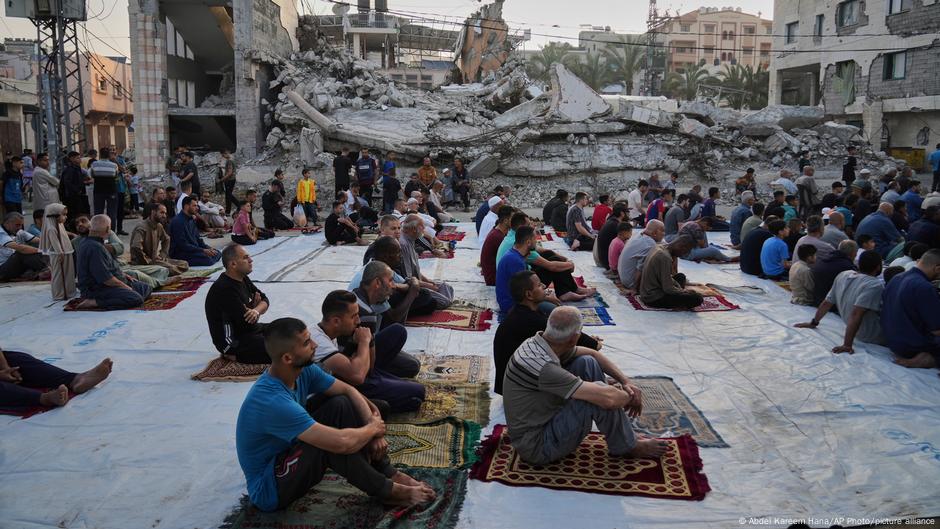
The Middle East geopolitical landscape is marked by escalating complexities and heightened tensions, as evidenced by several concurrent developments. Israeli Prime Minister Benjamin Netanyahu's admission of supporting an armed Gaza clan opposed to Hamas, following claims by a former defense minister of weapons being supplied to the faction, signals a strategic effort to influence internal Gaza dynamics. This internal maneuvering occurs as the Israeli military grapples with significant operational challenges, including a reported shortage of over 10,000 troops (6,000 for combat units) and the recent killing of four soldiers in Khan Younis, increasing the Israeli military death toll to 429 since the ground offensive's commencement. The conflict's reach extends regionally, with Israeli Defense Minister Israel Katz threatening continued strikes on Lebanon until Hezbollah disarms, despite a November ceasefire, underscored by recent airstrikes in Beirut's southern suburbs targeting alleged drone production facilities. Internationally, diplomatic friction is apparent with the United States imposing sanctions on four International Criminal Court (ICC) judges over arrest warrants for Israeli officials, a move condemned by the UN human rights chief and the European Council. France is also adopting a more measured stance on Palestinian statehood recognition, emphasizing the need for broader regional commitments. Amidst a dire humanitarian crisis in Gaza, where the population marked Eid al-Adha with severe food scarcity, the Lufthansa Group's announcement to resume flights to Tel Aviv on June 23, based on an extensive security analysis, offers a contrasting signal of cautious commercial re-engagement. The overall sentiment surrounding these events is strongly negative, with a pessimistic tone and a significant market impact score of 0.7, reflecting the pervasive instability and potential for wider repercussions.
AI-powered research, real-time alerts, and portfolio analytics for institutional investors.
Request DemoOverall Sentiment
strongly negative
Sentiment Score
-0.70
Ticker Sentiment
