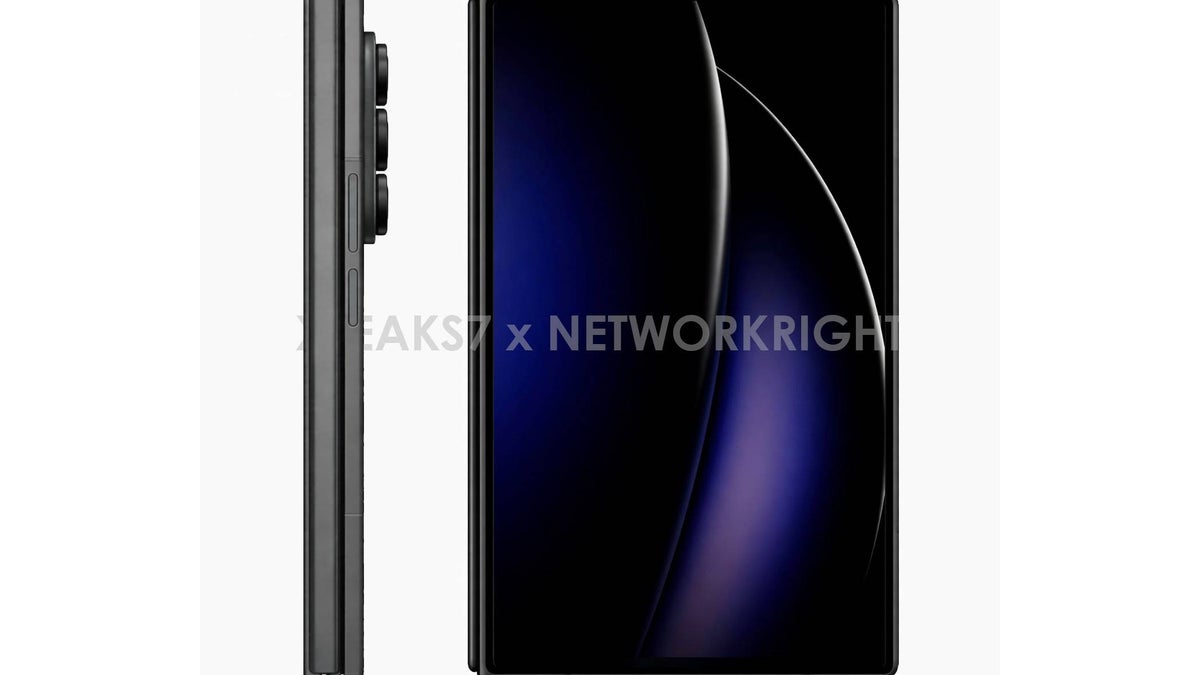
Samsung is reportedly developing a new hinge system for the Galaxy Z TriFold 2 to reduce the current model's 12.9mm folded thickness and 309g weight. The second-gen device is still expected to be larger and thicker than the Z Fold 7, but the design improvements could boost appeal after the original Trifold sold out quickly at a $2,900 price point. The device is expected in mid-2027, with software refinement still needed to address durability and use-case concerns.
The incremental value here is not in a bigger foldable headline; it’s in Samsung using a premium halo product to de-risk the broader foldable portfolio. A hinge redesign that meaningfully reduces thickness and failure rates would likely cascade into the mainstream Z Fold line, where the addressable market is far larger and the elasticity to perceived quality is much higher. That makes this less a one-off gadget story and more a potential platform-improvement cycle for Samsung’s mobile hardware margins over the next 12-24 months.
The market is probably underestimating how much software friction caps the upside of exotic form factors. If Samsung can’t create a compelling multi-window workflow, cross-app continuity, and battery-optimized large-screen behavior, hardware gains will mostly improve conversion at the margin rather than expanding the buyer pool. The second-order implication is that accessory makers, display suppliers, and hinge/precision-mechanics vendors may see more durable design-win opportunities than handset peers, because the real bottleneck is engineering execution rather than consumer curiosity.
Contrarian view: the premium foldable category may be closer to a prestige niche than a mass-market inflection, so investor enthusiasm around each new iteration can outrun unit economics. The key risk is that higher complexity raises warranty, return, and field-failure costs faster than ASPs can compensate, especially if the product remains a low-volume showcase rather than a scaled line. On a 12-24 month horizon, the upside case requires not just a thinner chassis but evidence that Samsung can convert interest into repeatable usage and lower defect incidence; otherwise the cycle fades into another halo-device exercise.
AI-powered research, real-time alerts, and portfolio analytics for institutional investors.
Request TrialOverall Sentiment
mildly positive
Sentiment Score
0.25
