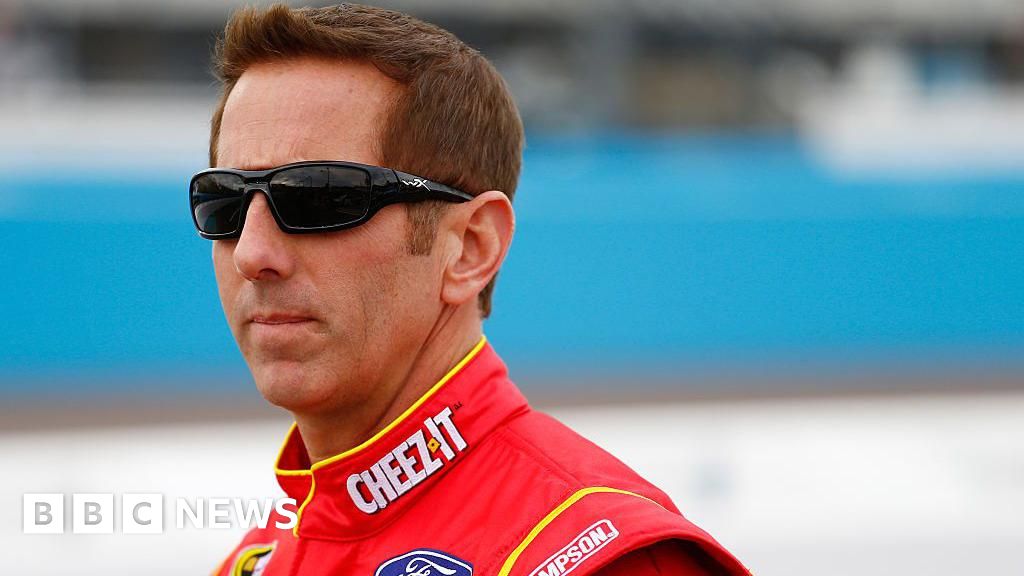
A Cessna C550 corporate jet crashed while landing at Statesville Regional Airport (KSVH) in North Carolina, killing former NASCAR driver Greg Biffle, his wife and two children, and three others; the aircraft, owned by a private company associated with Biffle, took off briefly before the accident and was already engulfed in flames on arrival. The airport — which provides facilities to Fortune 500 companies and NASCAR teams — is closed pending debris clearance and an NTSB investigation; the incident is primarily a human tragedy with limited direct market implications aside from potential short-term regional aviation disruption and reputational impacts for associated private operators.
Market structure: The direct economic ripples are concentrated in general-aviation OEMs, MRO providers and local airport/FBO revenue. Expect a 1–3% near-term revenue swing for maintenance/inspection specialists (AAR, HEI) as investigations drive immediate demand for inspections; OEMs like Textron (Cessna maker, TXT) face headline risk but not material order-book impact absent a manufacturer-fault finding.
Risk assessment: Tail risk centers on an NTSB finding implicating a fleet-wide design/maintenance issue — low probability but high impact (could re-price affected used-jet values by 10–30%). Immediate effects (days) are airport closures and local logistical costs; short-term (weeks) is elevated media/operational scrutiny and 1–4% volatility spikes in aerospace equities; long-term (quarters) could see modest margin pressure for small FBOs if compliance costs rise 1–3%.
Trade implications: Tactical opportunities are small, event-driven positions: play MRO names and parts suppliers for a 1–3 month window and use options to size risk; hedge OEM headline risk with short-dated puts if negative data emerges. Monitor NTSB preliminary report (expected 7–30 days) as the primary catalyst to scale positions.
Contrarian angles: The market typically overreacts to single-aircraft accidents; historical analogs show recovery within 1–3 months unless systemic fault is found. If TXT or other OEMs drop >3–5% on headlines, that is more likely a buying opportunity versus a structural sell signal — downside is capped without a regulatory fleet action.
AI-powered research, real-time alerts, and portfolio analytics for institutional investors.
Request DemoOverall Sentiment
mildly negative
Sentiment Score
-0.25
