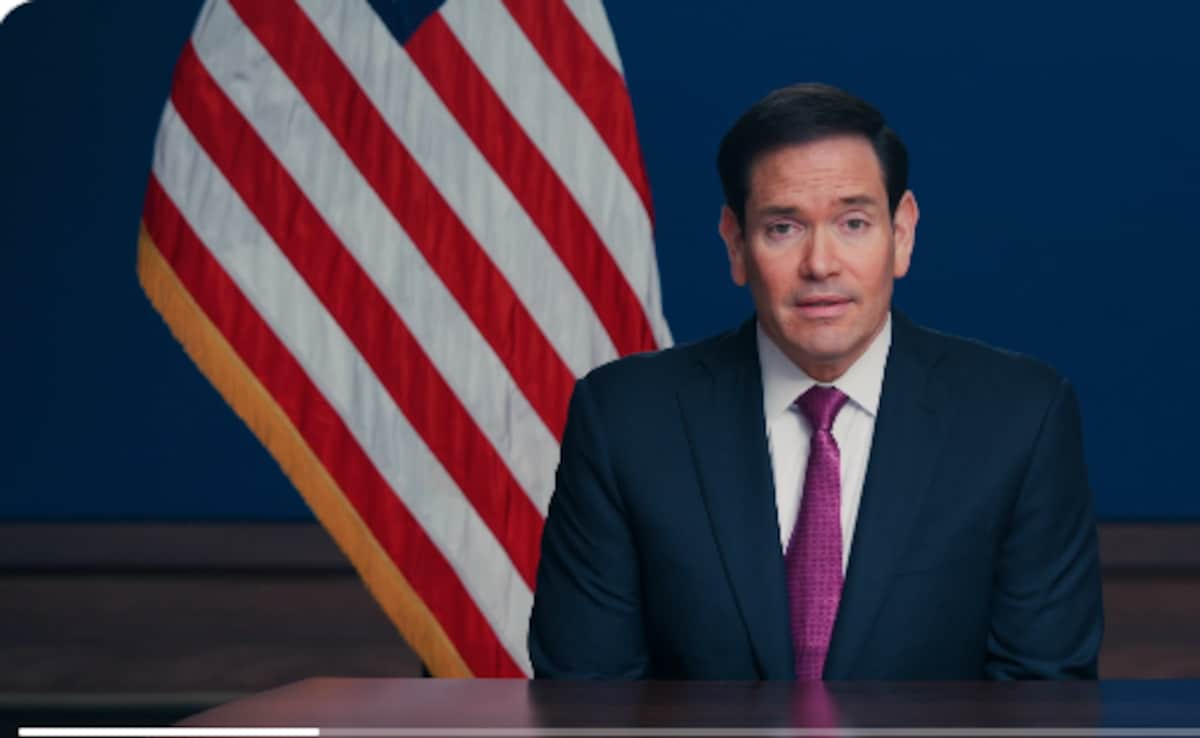
Marco Rubio said any Iran deal must include enforceable restrictions on Tehran's nuclear program and warned that Iran is using the Strait of Hormuz as an 'economic nuclear weapon' to hold 25% of global energy hostage. He said President Trump will decide next steps if no deal is reached, while Iran is reportedly proposing to reopen the strait and defer nuclear talks. The comments raise the risk of renewed tensions around Middle East energy flows and broader regional conflict.
The market implication is less about the headline diplomacy and more about the repricing of tail risk in the energy complex. Even a low-probability disruption to Hormuz should lift the entire volatility surface for crude and refined products because the marginal barrel at risk is not just regional supply, but global inventory confidence; that tends to steepen prompt spreads first, then feed into diesel and jet cracks with a lag. The second-order beneficiary is not only upstream producers, but also physical traders and tanker insurers, which can monetize dislocation before outright price moves fully persist.
The bigger near-term trade is in policy optionality: the U.S. is signaling that any agreement missing nuclear constraints is not a durable de-risking event, so headline-driven rallies on “deal progress” may fade faster than usual. That makes this a regime where spot can mean-revert while implied volatility stays bid, especially if the market starts pricing a non-trivial probability of military escalation or shipping interference over the next 2-8 weeks. In that setup, the most attractive expressions are convex rather than directional because the distribution of outcomes is fat-tailed and heavily path-dependent.
A contrarian read is that the current rhetoric may actually cap downside in oil by reducing the odds of a quick, sanctions-easing compromise that would have pressured energy prices. In other words, the market may be underestimating how much “failed diplomacy” supports the crude floor even without a shooting war, because it preserves export constraints and keeps spare-capacity anxiety elevated. The risk to that view is a sudden backchannel breakthrough, which would hit prompt crude, tanker rates, and defense names simultaneously.
For portfolio construction, the key is to separate immediate geopolitical premium from longer-dated supply fundamentals. If the conflict premium fades without a settlement, energy equities can still grind higher on stronger cash conversion, but the sharper move is likely in hedged structures that capture volatility without requiring a sustained move in spot. Defense and sanctions-enforcement beneficiaries should outperform on a 3-6 month horizon if the diplomatic path remains blocked, while shipping-linked assets are the fastest beta to any renewed Hormuz stress.
AI-powered research, real-time alerts, and portfolio analytics for institutional investors.
Request DemoOverall Sentiment
mildly negative
Sentiment Score
-0.25
