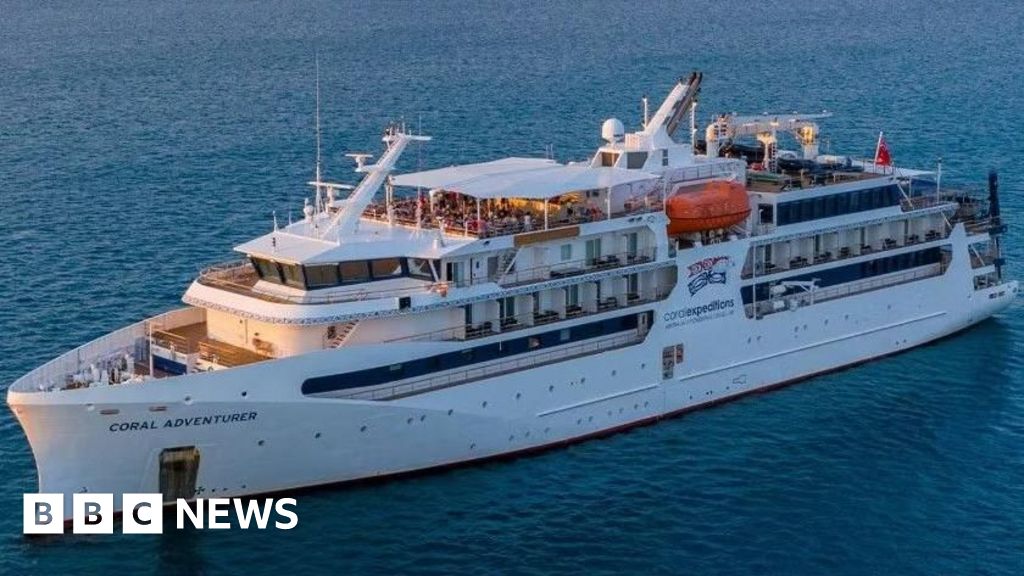
The Australian-flagged Coral Adventurer ran aground on a reef off eastern Papua New Guinea at about 05:25 local time; all 80 passengers and 44 crew are safe, refloating attempts failed, and inspections found no damage or pollution but authorities issued a detention notice deeming the vessel temporarily unseaworthy. Coral Expeditions has ended the tour early and will fly passengers back to Cairns; the episode — following an earlier fatality involving the same operator — elevates reputational and regulatory risk and could lead to additional investigations, compliance costs and operational disruption for the operator.
Market structure: This is a localized operational failure that disproportionately hurts small expedition operators and local PNG tour ecosystems while offering incremental demand to large, diversified cruise operators that can credibly market safety and itinerary redundancy. Expect a measured 5–20% short-term drop in bookings for PNG/remote-reef itineraries over the next 3 months, but <1–2% impact on global cruise revenues unless multiple incidents occur.
Risk assessment: Tail risks include a major environmental spill or an adverse PNG/Australian regulatory ruling that raises expedition compliance costs (insurer/charter premiums up 5–15%) — low probability but high impact over 6–18 months. Immediate risks (days) center on reputational headlines and possible class-action or regulatory detention that could extend downtime for the specific vessel; medium-term (weeks–months) risks are higher insurance costs and tighter routing practices.
Trade implications: Direct plays favor large-cap cruise names (RCL/CCL/NCLH) and select insurers that underwrite marine risk; short/derivative exposure should target pure-play expedition operators (e.g., LIND) where rerouting/cancellation sensitivity is highest. Options can express asymmetric views: buy puts on expedition names or vertical put spreads to limit cost; pair trades (long diversified cruise, short expedition) play the rotation of consumer demand and pricing power.
Contrarian angles: Consensus will treat this as a headline blip; the market may underprice regulatory tightening for expedition routes — an opportunity to short narrow-exposure operators and buy reinsurers/insurers on a 3–12 month view if underwriting repricing begins. If headlines remain limited, large cruise names could bounce back quickly — use volatility spikes to establish positions.
AI-powered research, real-time alerts, and portfolio analytics for institutional investors.
Request DemoOverall Sentiment
mildly negative
Sentiment Score
-0.25
