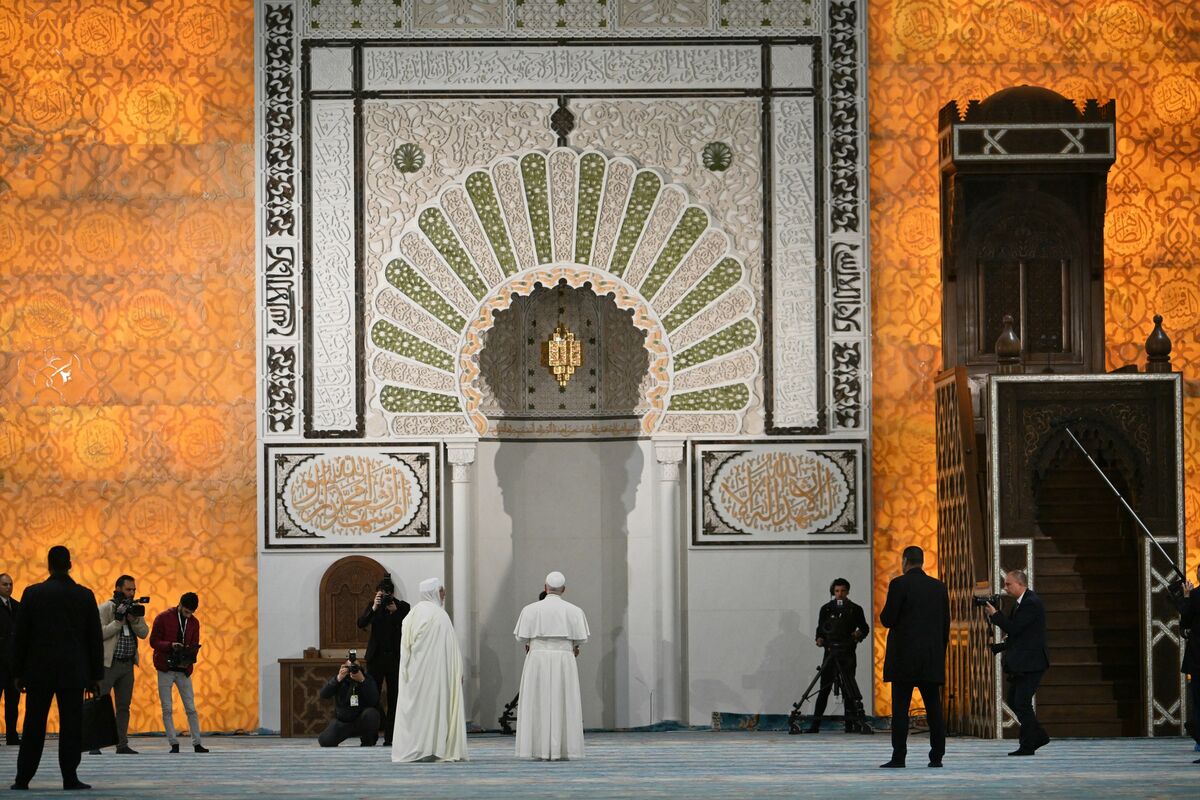
Pope Leo XIV’s first official trip to Africa begins in Muslim-majority Algeria, but the visit has been complicated by Donald Trump’s intervention. The piece is primarily a geopolitical and political context update, with no financial figures, policy actions, or market-moving developments disclosed. Market impact is minimal.
The key market effect is not the papal itinerary itself but the way a high-visibility U.S. political intervention can reframe a low-beta diplomatic event into a proxy fight over sovereignty and migration. That tends to strengthen incumbents and security-first coalitions in the near term, because external criticism often increases the domestic political value of appearing defiant. In frontier and emerging markets, that means a modest risk premium can widen for countries already sensitive to perceived external pressure, even if fundamentals are unchanged.
The second-order winner is likely local political messaging, not the immediate government balance sheet. If the episode hardens anti-Western sentiment or boosts nationalist rhetoric, it can become mildly supportive for state-linked media, security contractors, and firms exposed to public-sector procurement, while being a negative for airlines, tourism, and consumer names that depend on foreign goodwill. The effect should be measured in days to weeks rather than quarters unless it catalyzes broader diplomatic friction or sanctions talk.
The contrarian view is that this is mostly noise and the market may over-attribute causality to a single headline. In EM, the real driver is whether the episode feeds into concrete policy: visa restrictions, aid threats, NGO regulation, or election-law changes. Without that follow-through, any risk-off move should fade quickly, creating a short-lived opportunity to add exposure on dips rather than chase the initial reaction.
AI-powered research, real-time alerts, and portfolio analytics for institutional investors.
Request TrialOverall Sentiment
neutral
Sentiment Score
0.00
