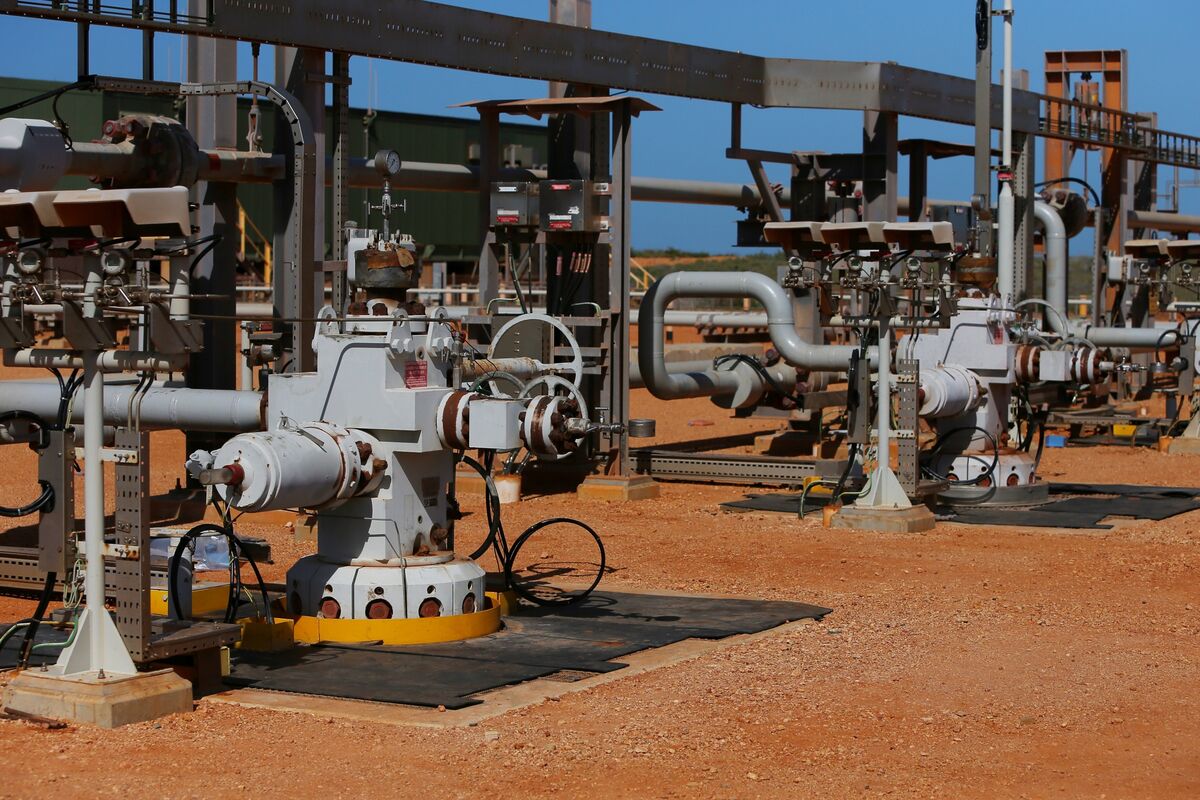
Prime Minister Anthony Albanese has asked Treasury to model a windfall tax on Australia's liquefied natural gas (LNG) industry amid soaring gas prices. Energy Minister Chris Bowen confirmed the modeling request but provided no details, noting the process is confidential. The move increases regulatory and political risk for Australian LNG producers and could materially compress margins and cash flows if a tax is enacted.
A credible windfall levy on Australian LNG shifts the competitive map: domestic exporters (Woodside, Santos, Origin) face a direct margin compression while foreign suppliers with US or Qatari supply flexibility gain pricing power and offtake leverage. Expect negotiation dynamics to favor buyers of spot or short-term US cargoes—Cheniere/US LNG could capture share as Asian buyers hedge political risk, increasing US seller bargaining power and upside to their realized prices within 6-12 months.
Second-order supply effects are the key alpha source. Midstream and greenfield capex decisions are lumpy; a mid-teens effective levy would materially raise the hurdle for new Australian projects, likely deferring multi-billion-dollar FID decisions and tightening seaborne supply 2-4 years out. That delayed supply creates a non-linear upside to global prices in winter windows and increases call-option value in flexible US/TLNG cargoes and floating regas capacity (FSRUs) used by importers seeking diversification.
Timing and political risk dominate. Near-term volatility will be driven by headline flow around cabinet modeling and parliamentary timetables (days–weeks), while the structural impact only crystallizes if legislation passes (months). Reversals can come from rapid fall in spot LNG (seasonal warm winter), industry concessions (royalty reworking, exemptions), or successful lobbying that narrows the base — all plausible within a 3–6 month policy negotiation window, arguing for liquid, short-dated hedges rather than long, unilateral directional bets.
AI-powered research, real-time alerts, and portfolio analytics for institutional investors.
Overall Sentiment
neutral
Sentiment Score
0.00
