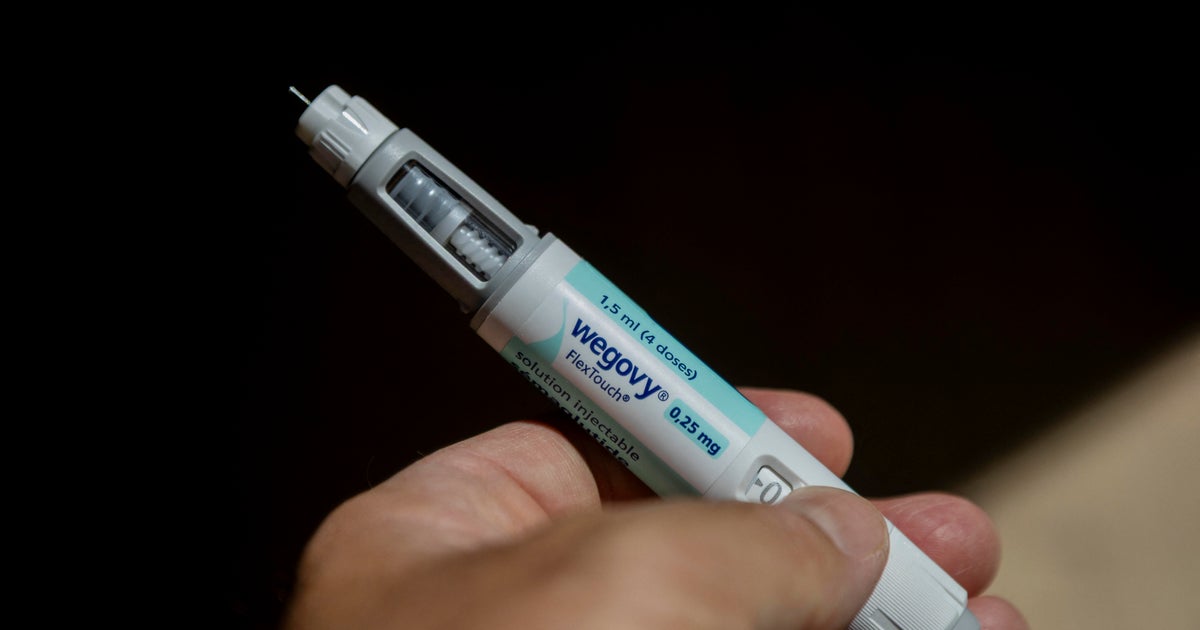
Medicare will begin covering certain GLP-1 weight-loss drugs on a temporary basis starting July 1, 2026, with eligible patients paying a $50 monthly copay. The 18-month Medicare GLP-1 Bridge program expands access to Eli Lilly and Novo Nordisk obesity treatments, including Zepbound and Wegovy, but coverage ends December 31, 2027 unless extended or the law changes. The policy is likely supportive for demand in obesity-drug markets, though access is limited by BMI and prior-authorization rules.
This is a demand-elasticity event more than a simple access expansion. A $50 copay is low enough to materially increase initiation among older, comorbid patients, but the bigger second-order effect is that it resets the reference price for the category: if Medicare is effectively anchoring a sub-$100 monthly patient cost, direct-to-consumer pricing above that level becomes harder to defend for channels aimed at self-pay volume. That should compress the spread between insured and cash-pay demand and improve visibility into end-market penetration for the better reimbursed products.
For NVO, the most important implication is not just incremental volume, but mix. Medicare access tends to favor chronic, adherence-sensitive patients with higher healthcare utilization, which should improve persistence and reduce early discontinuation versus the cash-pay cohort. That said, the bridge structure is temporary and operationally gated by prior authorization, so the near-term bottleneck shifts from demand to clinician workflow and payer administration; capacity, not appetite, becomes the limiting factor over the next 2-3 quarters.
The market is likely underpricing the cliff risk in late 2027. Investors may extrapolate the bridge as a step toward durable reimbursement, but the statute workaround creates a binary policy overhang: either an extension, a legislative fix, or a reversion to much weaker coverage. That makes the current setup attractive for near-dated upside in NVO, but structurally poor for long-duration multiple expansion unless management can show that commercial and cash channels can absorb any post-2027 gap.
The contrarian angle is that this may be less bullish for the whole obesity basket than consensus implies. If Medicare and manufacturers converge on a $50 reference point, gross-to-net pressure rises and competitive discounting can spread to other channels, particularly for products with weaker convenience or adherence. In that scenario, the winners are the highest-supply, lowest-friction brands; everyone else faces a margin-versus-share tradeoff.
AI-powered research, real-time alerts, and portfolio analytics for institutional investors.
Request DemoOverall Sentiment
mildly positive
Sentiment Score
0.20
Ticker Sentiment
