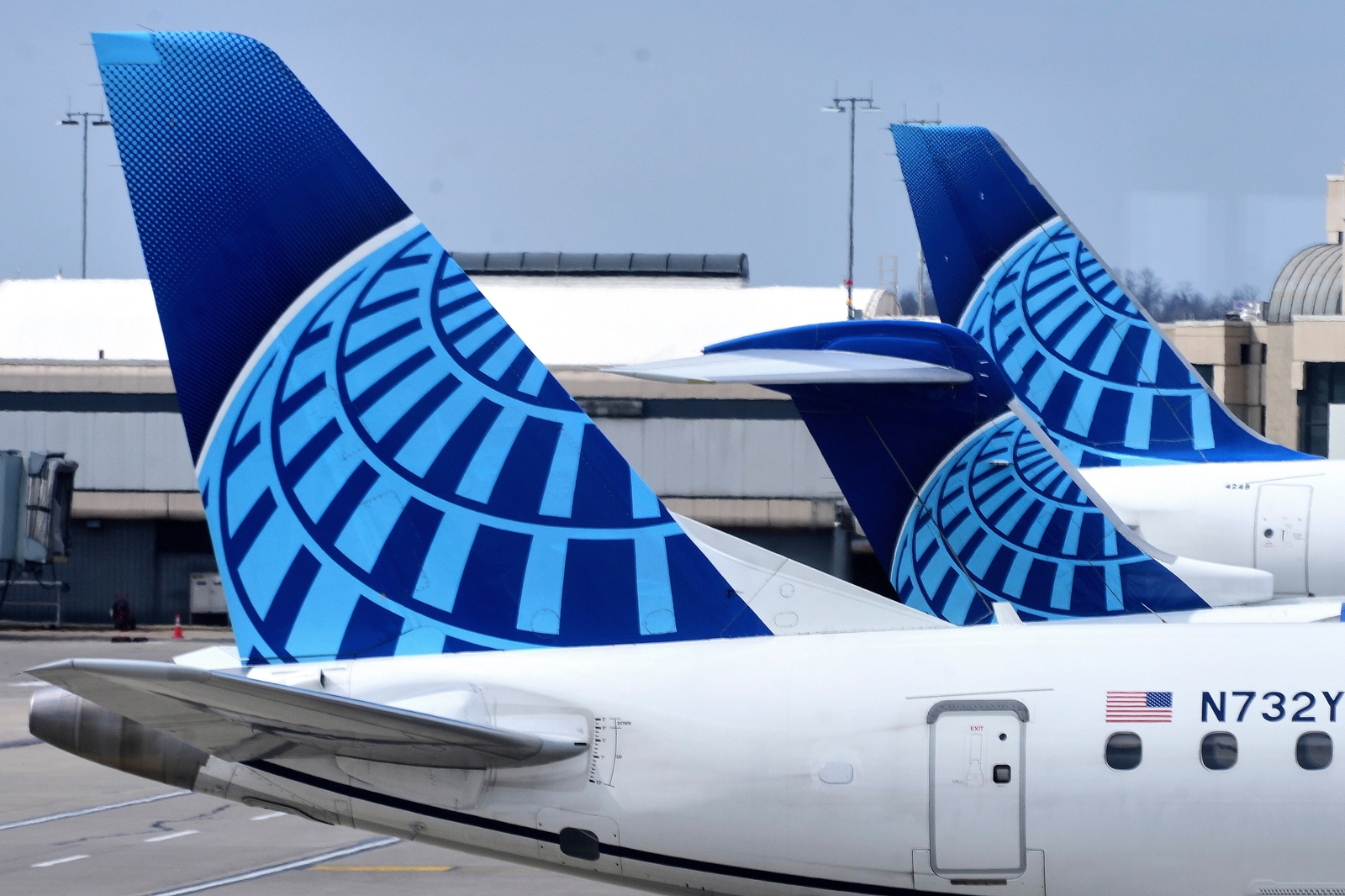
United Airlines reported a possible drone strike involving Flight 1980 while landing at San Diego International Airport, with the pilot estimating the encounter at around 3,000 feet and the FAA citing 4,000 feet. A postflight inspection found no damage to the Boeing 737, and no additional drone sightings were reported to air traffic control. The event is under FAA investigation but appears operationally contained.
This is not a direct earnings event for UAL so much as a regulatory-shock setup: the operational hit is negligible, but the headline risk is asymmetric because drone encounters sit at the intersection of safety, liability, and airspace policy. The market should treat this as a low-probability/high-salience catalyst that can widen sentiment discounts on the whole airline complex if it becomes part of a string of incidents, even when individual carrier damage is zero.
Second-order, the bigger beneficiary is not another airline but the drone-detection / counter-UAS ecosystem and airports that can credibly market tighter airspace controls. If FAA scrutiny increases, airports may accelerate spending on radar, RF detection, and geofencing compliance, which creates a multi-year procurement tail rather than a one-day news trade. For airlines, the real risk is not repair cost but schedule disruption, pilot caution, and incremental insurance/regulatory friction if incident frequency is perceived to be rising.
For UAL specifically, the current move looks underdone to the downside if the market ignores headline recurrence risk, but overdone if it extrapolates to near-term capacity or fleet impairment. The key catalyst over days to weeks is whether there are follow-on reports or an FAA enforcement action; absent that, the story fades quickly. Over months, any policy response that hardens drone restrictions near airports is modestly positive for incumbents, but the tradeable edge is in volatility, not direction.
Contrarian view: consensus will likely focus on "no damage, no issue," but the more important signal is that air traffic control felt compelled to warn other pilots, which suggests the sector remains vulnerable to recurring attention shocks. That makes short-dated option pricing potentially attractive if implied volatility fails to incorporate event clustering. The market is probably underpricing the chance that even a handful of similar headlines can depress airline multiples without affecting fundamentals.
AI-powered research, real-time alerts, and portfolio analytics for institutional investors.
Request DemoOverall Sentiment
neutral
Sentiment Score
-0.05
Ticker Sentiment
