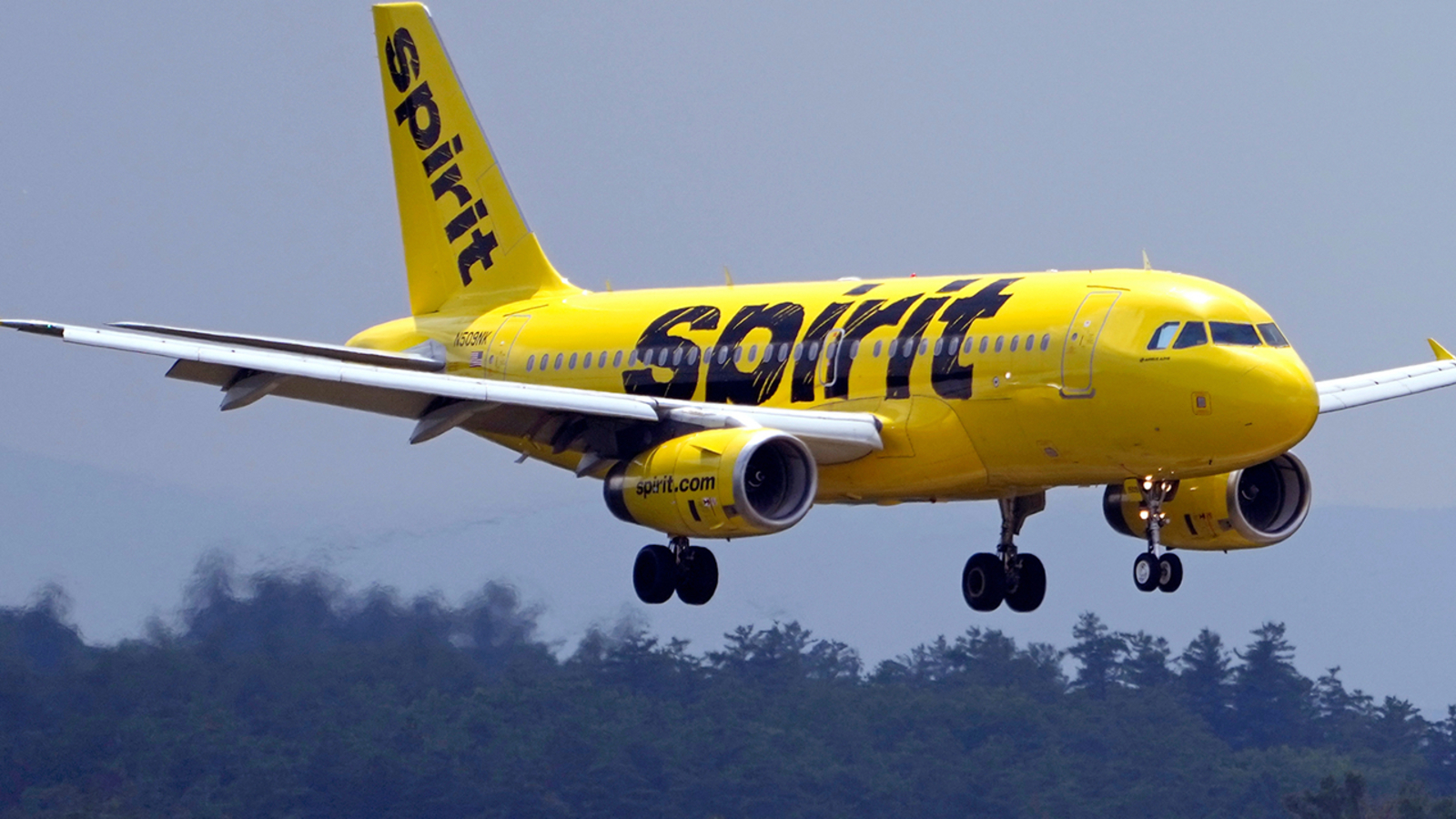
Spirit Airlines has begun an immediate orderly wind-down of operations, cancelled all 277 scheduled Saturday flights, and said it has no additional funding available. The airline's final flight was 1833 from Detroit to Dallas, while more than 1,300 crew are being moved home and refunds will be handled selectively depending on payment method and bankruptcy claims. The shutdown follows Spirit's second bankruptcy filing and comes amid higher jet fuel prices and failed rescue talks with the federal government, which could pressure low-cost airfare competition in affected markets.
Spirit’s collapse is less important as a single-name event than as an immediate shock to the lowest end of the domestic fare stack. The first-order beneficiary is obvious capacity reallocation by AAL, UAL, and to a lesser extent Frontier, but the second-order effect is that high-frequency leisure routes lose the price anchor that kept fares disciplined; that should allow incumbents to reprice load-factor-sensitive leisure markets over the next 1-3 booking cycles. The biggest read-through is not unit revenue on a few Spirit-dominated routes, but the higher industry-wide floor on all-in average fares as ultra-low-cost competitive pressure disappears.
The timing matters: this is a days-to-weeks dislocation for stranded passengers, but a months-long capacity and pricing reset for the industry. Because Spirit was a marginal seat provider in several dense leisure corridors, the near-term supply hole is unlikely to be fully offset by rivals without sacrificing yields, which argues for stronger pricing power into the spring/summer booking window. If fuel remains elevated, the remaining ULCCs face a double bind: they can fill seats or protect margin, but not both, making the survivorship premium for better-capitalized carriers more durable than a one-quarter trade.
The contrarian point is that the market may overestimate the permanence of the benefit to legacy airlines. If fares rise quickly, demand elasticity can show up within one or two quarters, especially in price-sensitive leisure markets, and some traffic will simply not convert rather than migrate to competitors. Also, any government-arranged bridge financing, asset sale, or rapid reconstitution of Spirit’s slots/tail assets could create a lower-cost relaunch that caps the upside for incumbents faster than investors expect.
AI-powered research, real-time alerts, and portfolio analytics for institutional investors.
Request DemoOverall Sentiment
extremely negative
Sentiment Score
-0.97
Ticker Sentiment
