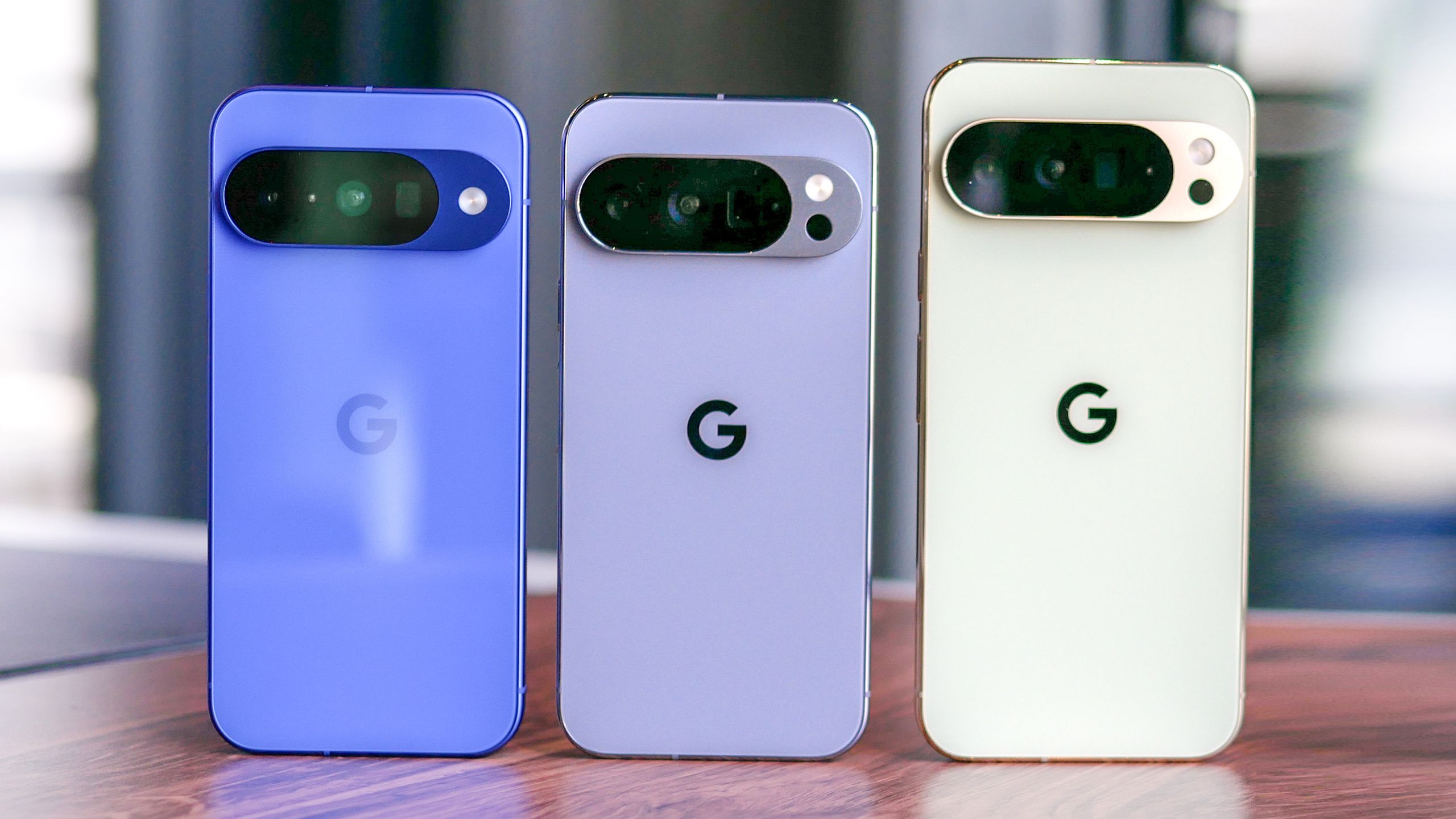
Google is planning at least five Pixel devices for 2026, led by a spring launch of the Pixel 10a (reported specs: 6.285-inch 120Hz AMOLED, 48MP f/1.7 main + 13MP ultrawide f/2.2, 128GB storage, 8GB RAM, 5,100mAh battery) that may largely mirror the Pixel 9a and reportedly use the older Tensor G4. A family of four Pixel 11 flagships (standard, Pro, Pro XL) and a Pixel 11 Pro Fold are expected later in the year with a reported Tensor G6 built on a 2nm process delivering on-device AI upgrades (Ultra Low Light Video, Cinematic Blur improvements), an under-display IR camera for secure face unlock and Nano-TPU health/always-on features—advances that, if realized, could materially improve Google’s competitive position versus Qualcomm and Apple.
Market structure: A competitive Tensor G6 (2nm) materially narrows Google (GOOGL)'s performance deficit vs Qualcomm (QCOM) and Apple (AAPL), shifting pricing power toward Pixel if on-device AI and battery metrics match benchmarks; OEMs and modem vendors (QCOM) are the first-order beneficiaries/losers depending on Google’s supplier choices. Supply/demand: incremental unit-share gains for Pixels could lift component demand (camera sensors, TSMC capacity) but expect modest revenue impact in 2026 — 1–3% revenue swing for GOOGL’s hardware segment is a realistic upper-bound. Cross-assets: positive GOOGL product cycle reduces downside tail for tech credit spreads by a few bps and raises event-driven options vol ahead of spring and Aug launches; USD FX impact is negligible.
Risk assessment: Tail risks include regulatory/antitrust actions (EU/US) on bundled AI services, TSMC 2nm yield failures, or poor camera/thermal execution that trigger -10%+ share moves; assign ~10% probability over 12 months. Timeline: immediate reaction minimal, short-term (Apr–Jun 2026) driven by Pixel 10a reception, medium-term (Aug–Oct 2026) by Pixel 11/Tensor G6 benchmarks, long-term (>12 months) by sustained software+AI differentiation. Hidden dependencies: on-device model size, sensor supplier (Sony) availability, and carrier promotions (Verizon certification already noted). Catalysts to watch: Tensor G6 benchmarks, TSMC 2nm yield reports, Google I/O demos, and carrier preorder figures within 8 weeks of launch.
Trade implications: Favor asymmetric, event-driven exposure to GOOGL around two windows: Apr–May 2026 (10a) and Aug–Oct 2026 (Pixel 11/Tensor G6). Use limited directional equity plus cheap defined-risk option spreads to capture upside while capping beta; avoid large naked short of QCOM absent clear evidence Google displaces its modem/SoC volumes. Rotate modestly into AI-capable semiconductor exposure if Tensor G6 proves materially superior, but keep horizon to 3–12 months for re-evaluation.
Contrarian angles: Consensus assumes incremental Pixel a-series upgrades are mute; the miss is underestimating on-device AI (Nano-TPU) monetization via Health/ML features — if G6 enables unique health/OS hooks, software ARPU could expand by $1–3/active device annually over 2–3 years, underpriced today. Historical parallel: Sony’s camera sensor leap created multi-year share shifts despite initial skepticism; a similar narrow lead in on-device AI could lock ecosystem advantages. Unintended consequence: overly aggressive AI claims without privacy/regulatory guardrails could trigger fines or feature rollback, reversing gains rapidly.
AI-powered research, real-time alerts, and portfolio analytics for institutional investors.
Request DemoOverall Sentiment
mixed
Sentiment Score
0.10
Ticker Sentiment
