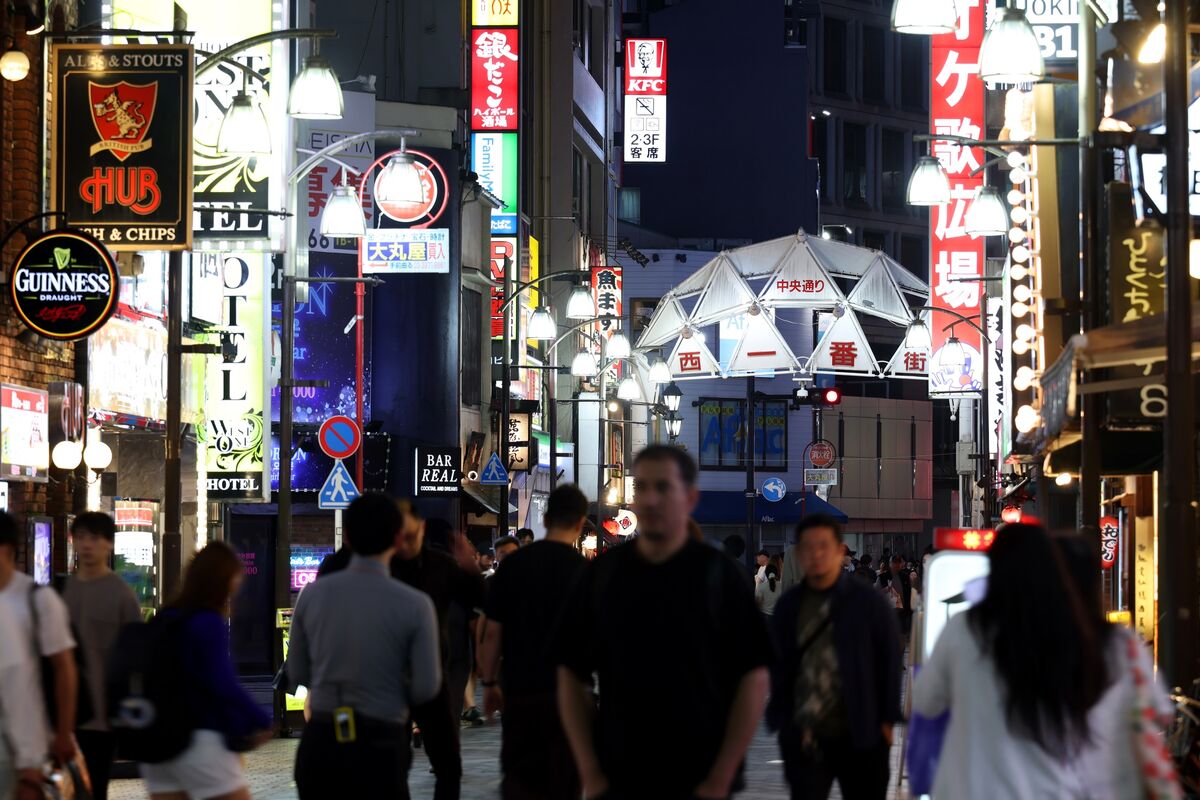
Japan’s inbound tourism fell 3.6% year on year to 3.6 million arrivals in May, marking a second consecutive monthly decline. The drop was driven by reduced flights across routes and a prolonged slump in Chinese visitors, with April also affected by higher airfares linked to the Iran conflict. The data points to near-term pressure on Japan’s travel demand, though the broader market impact is likely limited.
The immediate loser is not just Japan’s hotel and airline ecosystem; it is the entire marginal-yield stack built around inbound tourism. Lower arrivals usually hit the highest-value cohorts first, so the second-order damage shows up in premium cabins, airport retail, duty-free, and urban leisure spending before it leaks into mass-market travel. That makes the pain more acute for logistics-heavy nodes tied to air passenger throughput than for domestic-only leisure exposure.
The more interesting read-through is that reduced flight supply creates a self-reinforcing demand problem: fewer frequencies lift fares, which selectively screens out price-sensitive travelers and further suppresses volumes. If Chinese visitation remains weak, the recovery path becomes less about headline tourism normalization and more about airline capacity restoration plus currency-sensitive demand reactivation, which is a slower months-long process rather than a quick statistical bounce. This is a geopolitics-sensitive trade because any flare-up that keeps air routes constrained can extend the underperformance well into the summer shoulder season.
Consensus may be overemphasizing a simple demand dip and underestimating how long route networks take to heal after capacity cuts. Once airlines trim schedules, the return of seats lags by one to two booking cycles, so even a better macro backdrop can leave inbound data soft for several quarters. The contrarian angle is that the decline may be less bearish for Japanese domestic consumer names than for travel intermediaries, because outbound leakage and inbound softness can shift spend toward local alternatives rather than destroy it entirely.
For investors, the cleanest setup is a tactical underweight to Asian travel facilitators and airport-linked cash-flow names if there is direct exposure to Japan inbound traffic, using a 1-3 month horizon. The risk/reward favors a pair that shorts beneficiaries of passenger-throughput recovery against long domestic Japan consumer defensives, since the latter are less exposed to cross-border route normalization. If flight capacity data stabilize over the next 4-6 weeks, cover quickly; the trade is most attractive before airlines restore schedules and consensus revises down only gradually.
AI-powered research, real-time alerts, and portfolio analytics for institutional investors.
Request DemoOverall Sentiment
moderately negative
Sentiment Score
-0.28
