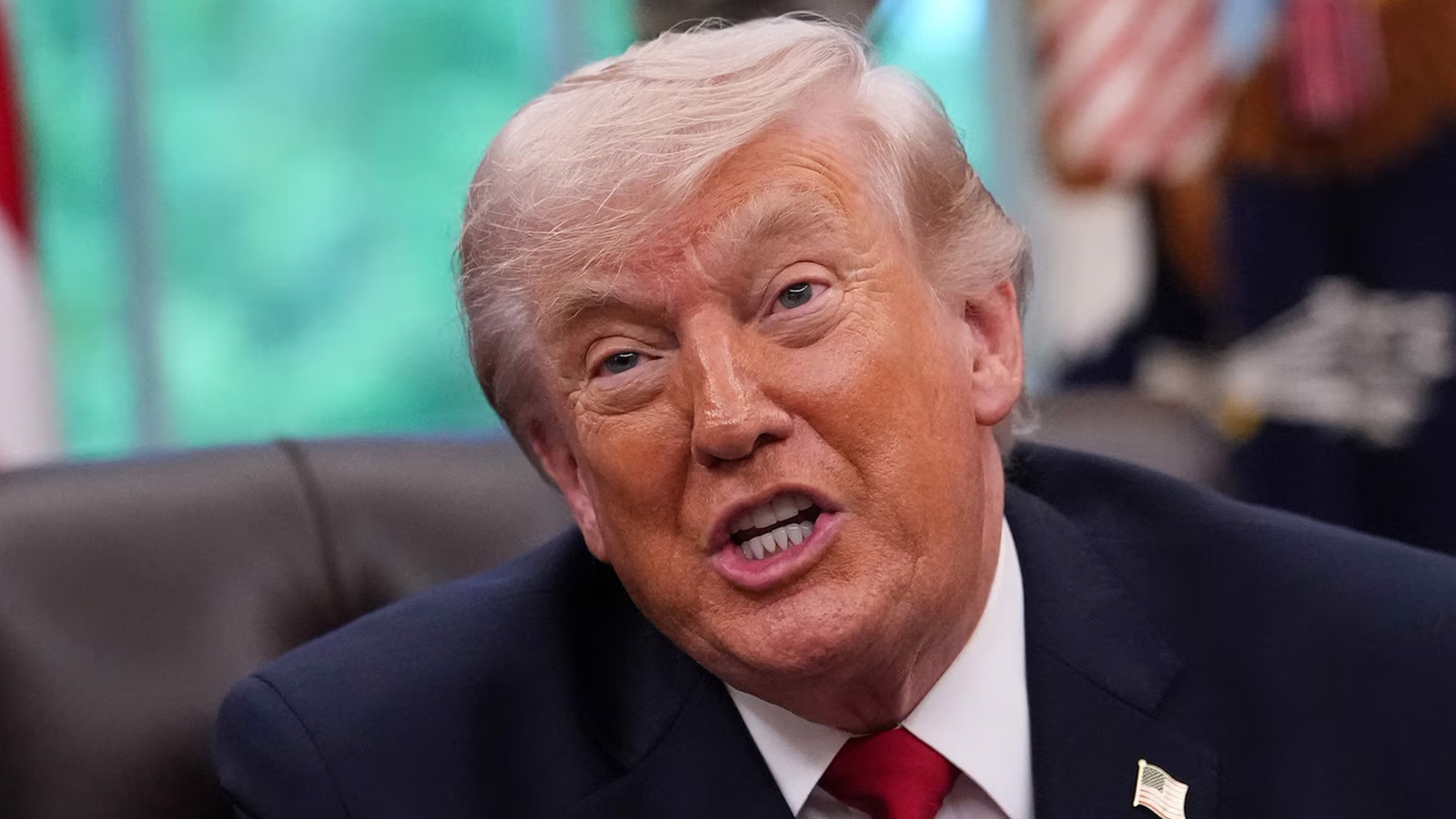
Trump said Iran must "cry uncle" and claimed U.S. strikes have left Iran's military effectively destroyed, while arguing its economy is "in really trouble." The comments signal continued escalation in U.S.-Iran tensions and reinforce a hardline posture on the naval blockade. This raises geopolitical risk for energy, defense, and broader risk assets.
The immediate market read is not a clean “risk-off” shock; it is a probability shift toward a longer, messier coercion regime. That tends to support assets tied to containment and interdiction rather than outright war: defense primes, ISR, missile defense, naval maintenance, and cyber/security exposure should see a higher budget conversion rate over the next 1-3 quarters. The second-order winner is any supply chain that benefits from rerouting trade around the Strait of Hormuz risk premium, especially LNG logistics and tanker rates if the standoff persists.
The larger issue is that sanctions-plus-blockade language compresses the policy path into two volatile branches: either rapid capitulation or asymmetric retaliation. In the latter, the most vulnerable assets are regional EM sovereign credit, airfreight, and globally levered cyclicals with energy-sensitive margins. Even if oil does not spike immediately, the embedded geopolitical option value raises implied volatility across commodities, shipping, and defense procurement names over days to weeks.
Contrarian take: the market may overestimate short-term regime change and underestimate regime durability. Coercive rhetoric often hardens the opponent’s incentive to absorb pain while waiting for diplomatic off-ramps, which means the real trade is not a one-day headline bet but a months-long volatility regime. The underpriced risk is a negotiated pause that removes the tail premium abruptly; any positions should be structured to monetize elevated vol while limiting downside if rhetoric escalates but flows remain contained.
AI-powered research, real-time alerts, and portfolio analytics for institutional investors.
Overall Sentiment
strongly negative
Sentiment Score
-0.60
