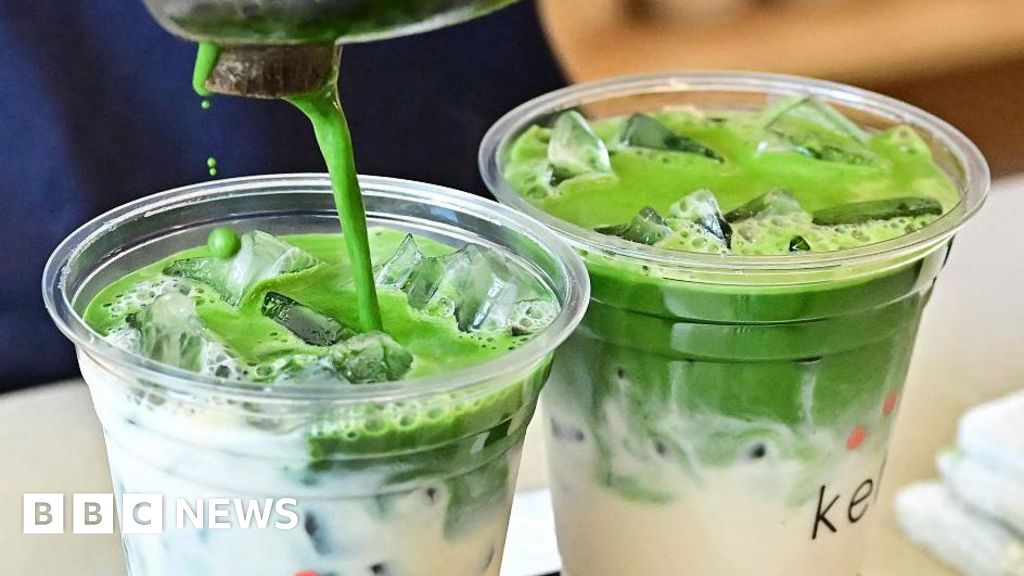
Global demand for matcha is surging due to social media trends and Japan's tourism boom, leading to severe supply shortages and rapid depletion of stock for businesses. This heightened demand, coupled with supply constraints from poor harvests due to heatwaves, an aging farming population, and slow traditional production methods, has resulted in significant price increases, with some outlets reporting a 30% rise. Further upward price pressure is anticipated due to new US tariffs imposing a 15% import tax on Japanese products. While overall production has nearly tripled since 2010, the market faces continued tightness, though some industry players predict a potential easing in prices for lower-grade matcha in two to three years.
A significant supply-demand imbalance is intensifying in the global matcha market, creating both opportunity and risk across the value chain. Demand is surging, fueled by social media trends, a post-pandemic tourism boom in Japan, and a weak yen that is boosting demand for Japanese goods. This has led to acute shortages, with some importers reporting that a month's supply is depleted within days. On the supply side, production is severely constrained by poor harvests resulting from record heatwaves, a structural demographic challenge of an aging farmer population, and artisanal production methods that yield only 40g per hour. This imbalance has already triggered significant price inflation, evidenced by a 30% price increase at one Tokyo tea chain this year. The situation is poised to worsen for US-based businesses following a new trade deal imposing a 15% import tariff on Japanese products, which will directly increase costs. While Japan's green tea exports, including matcha, grew 25% to 36.4 billion yen last year, the fundamental constraints suggest continued price pressure in the near term, impacting the input costs for consumer brands such as Starbucks and Krispy Kreme. However, some industry participants anticipate a potential normalization of the market within two to three years, which could stabilize prices, particularly for lower-grade matcha.
AI-powered research, real-time alerts, and portfolio analytics for institutional investors.
Overall Sentiment
moderately negative
Sentiment Score
-0.40
Ticker Sentiment
