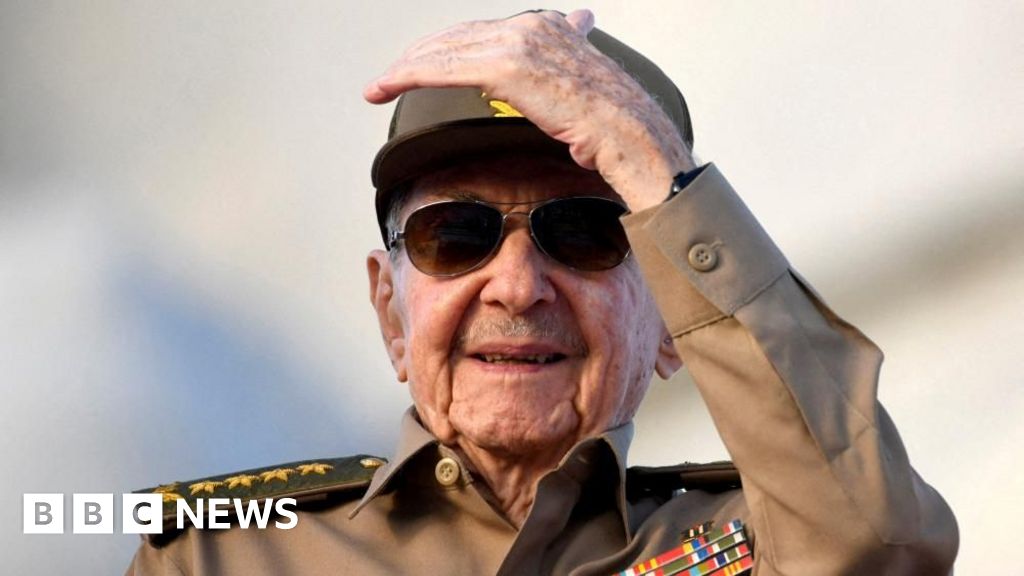
The US revived and expanded charges against Raúl Castro over the 1996 downing of two planes, including conspiracy to kill US nationals, aircraft destruction, and four counts of murder tied to four deaths. The move increases pressure on Cuba amid existing sanctions and an oil blockade, but it is primarily a geopolitical/legal development rather than a direct market driver. Cuba’s leadership rejected the indictment as politically motivated and signaled no concessions.
This is less about near-term legal enforceability and more about converting a stale geopolitical grievance into a live policy instrument. The market-relevant effect is a tightening of the U.S. policy band around Cuba: it raises the cost of any thaw, makes sanctions architecture harder to unwind, and increases the odds that humanitarian optics get used to justify additional financial and travel restrictions. The second-order winners are Miami-based exile political networks and any U.S. assets positioned to monetize a prolonged status quo; the losers are reform-oriented Cuban intermediaries, tourism-linked counterparties, and any regional business models that depend on a normalization cycle.
The real tradeable channel is not Cuba itself, but the spillover into LatAm risk premia and U.S.-Venezuela/Cuba policy signaling. If Washington is willing to re-litigate decades-old offenses, counterparties should assume a higher probability of coercive tools staying in play for months, not weeks. That is mildly supportive for defense-adjacent sentiment and for hardline sanctions beneficiaries, while modestly negative for EM policy-sensitive sovereign credit more broadly because it reinforces a precedent of legal escalation as an instrument of statecraft.
Contrarian view: the headline is emotionally loud but economically thin unless it is paired with new restrictions on travel, remittances, shipping, or banking access. The consensus may overestimate immediate market impact because Cuba exposure is small and mostly indirect. The better setup is to fade any initial spike in politically exposed names after the news flow passes, while watching for a follow-on package that hits remittance channels or tourism operators over a 1-3 month horizon.
AI-powered research, real-time alerts, and portfolio analytics for institutional investors.
Request DemoOverall Sentiment
neutral
Sentiment Score
-0.10
