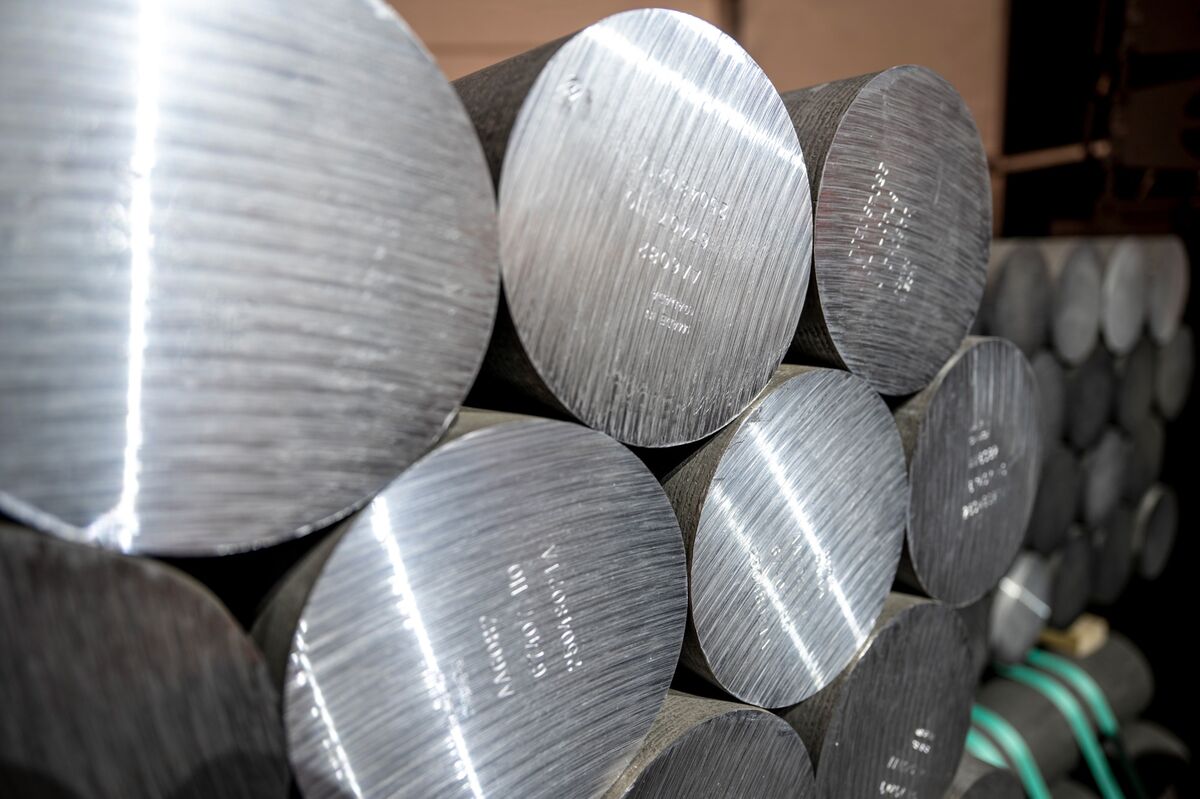
Aluminum fell to its lowest level since March as weaker-than-expected China economic data weighed on metals and added downside pressure. Chinese consumer spending and investment slumped to pandemic-era lows, underscoring continued demand weakness despite strength in exports and some high-tech sectors. Investors are also watching uncertainty around the Iran-US peace deal and the timing of any reopening of the Strait of Hormuz.
The immediate market signal is not just weaker aluminum pricing; it is a demand-duration problem for the entire light-metals complex. When Chinese domestic consumption softens while export-linked sectors remain resilient, the marginal buyer shifts from end-use fabrication toward inventory management, which tends to compress spot premiums first and then bleed into forward curves. That favors downstream consumers of aluminum and squeezes smelter economics, especially producers with high power costs or limited hedging flexibility.
The second-order winner is any industrial user with high aluminum intensity and short procurement cycles: packaging, transport, and aerospace suppliers get a near-term input-cost tailwind before the slowdown is fully reflected in their order books. The loser set is broader than miners and smelters; power utilities tied to aluminum production, logistics providers serving bulk metals flows, and Chinese local governments reliant on industrial activity can all see a follow-on hit as operating rates adjust. If the weakness persists for 1-2 quarters, expect capex deferrals across the aluminum supply chain rather than a simple price reset.
Geopolitics adds a separate volatility regime. Even if the diplomatic headline is positive, any delay in reopening shipping lanes keeps a risk premium embedded in energy and freight, which can offset some of the commodity downside for non-ferrous metals by raising input costs. The market is likely underpricing the asymmetric path where a quick peace implementation is bullish for global industrial sentiment, but a slow implementation is bearish because it prolongs uncertainty without delivering the expected supply normalization.
The contrarian read is that this may be closer to a cyclical air pocket than a structural collapse. China’s export strength and high-tech manufacturing can eventually absorb some metal demand, so the current move could be over-extended if policy support arrives within the next 4-8 weeks. But until then, the setup favors selling rallies rather than fading weakness too early, because the data impulse and geopolitics are both working against a clean bottom in spot metals.
AI-powered research, real-time alerts, and portfolio analytics for institutional investors.
Request DemoOverall Sentiment
moderately negative
Sentiment Score
-0.45
