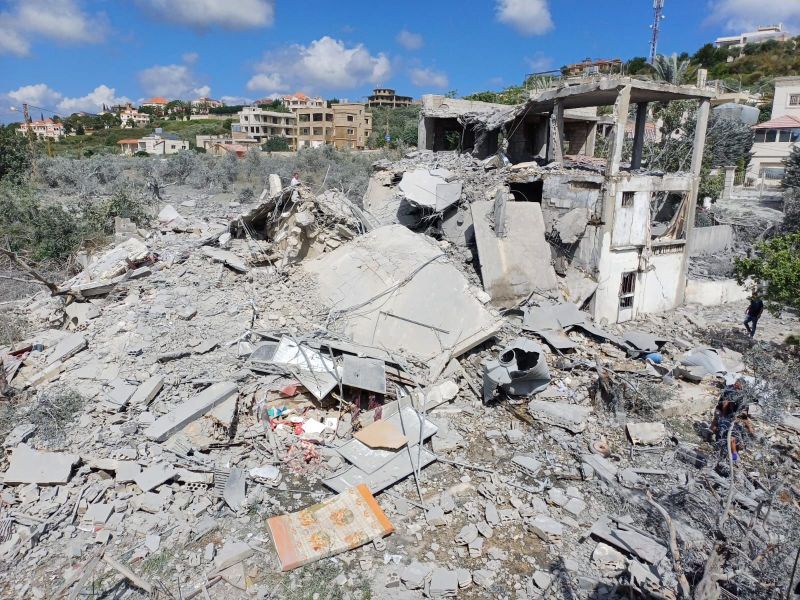
Israeli strikes in Lebanon have killed at least 3,355 people and wounded 10,095 since March 2, with UNICEF saying 15 children were killed and 62 injured in the past seven days alone. The conflict is intensifying across southern Lebanon, including forced evacuations, cross-border military talks in Washington, and reports that Israeli forces crossed the Litani River. The escalation represents a material regional geopolitical shock with broad risk-off implications.
The market implication is less about any single battlefield event and more about the widening gap between diplomatic signaling and operational reality. When negotiations are occurring in parallel with escalating kinetic activity, the price action usually shows up first in regional risk premia: insurers, shipping, and EM credit with Levant exposure reprice before broad macro assets do. The second-order risk is that each failed de-escalation attempt raises the probability of a larger operational mistake, which is typically what converts a contained conflict into a multi-week regional repricing.
The most underappreciated channel is infrastructure fragility. Repeated damage to transport corridors, municipal services, and healthcare capacity creates a rolling capex burden that persists long after headlines fade, hurting local contractors and any business reliant on just-in-time logistics or cross-border labor mobility. In contrast, defense supply chains and firms tied to ISR, drones, counter-UAS, blast protection, and emergency communications should see sustained order conversion, not just a one-off spike, because replenishment cycles extend for quarters after the shooting stops.
A key contrarian point: if markets are treating a cease-fire as imminent, that may be too optimistic. The more likely near-term outcome is a “managed escalation” regime where diplomacy lowers tail risk only intermittently while military pressure remains high enough to keep displacement, reconstruction spending, and humanitarian needs elevated. That favors event-driven trading over directional beta: the trade is not on peace, but on the duration of uncertainty and the persistence of elevated defense and emergency-response demand.
AI-powered research, real-time alerts, and portfolio analytics for institutional investors.
Request DemoOverall Sentiment
strongly negative
Sentiment Score
-0.82
