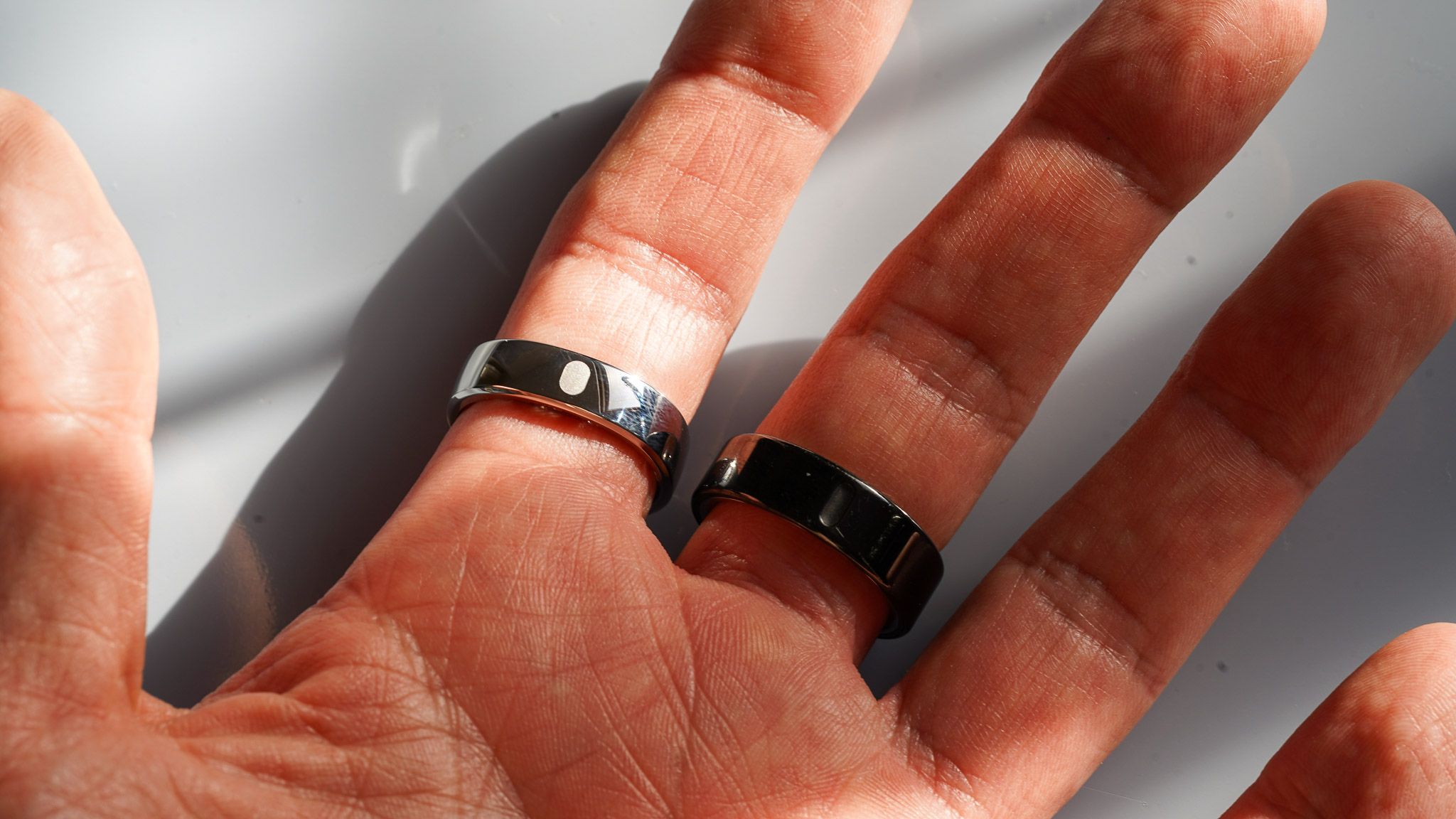
The smart-ring category has cooled and largely stalled, with 2025 dominated by incremental, software-led updates rather than breakthrough hardware; a small cohort of vendors (Oura, Ultrahuman, RingConn, Samsung, Amazfit, Circular) produce most launches and long gaps between products risk fading consumer attention. Absent major entrants such as Apple or Garmin, firms are pivoting toward fashion collaborations, accessory roles (e.g., gesture controllers for mixed reality) and utility features like contactless payments and authentication, yet the market needs decisive product differentiation—fitness-safe designs, medical-grade health credentials, or novel input/use cases—to avoid becoming a niche, low-growth segment.
Market structure: Smart rings sit as a niche subsegment (<~5% of global wearable unit volume) with high ASP variance and limited SKU churn; incumbents benefit from steady subscription revenue (Oura-style) while hardware-only challengers suffer margin pressure. Entry by Apple or Garmin would likely force ASP compression of 15–30% across the category within 12–24 months and accelerate consolidation among a handful of suppliers (sensors, NFC chips, low-power radios).
Risk assessment: Key tail risks include (A) biometric/data-privacy regulation (EU/US) that could limit health telemetry or payments (10–20% probability in 12–24 months) and (B) an Apple/Garmin market entry causing 25–40% valuation shock to niche public wearables names; supply-chain shocks (battery/sensor shortages) remain idiosyncratic but manageable. Short-term volatility will cluster around CES/WWDC and payment certification timelines; long-term outcomes depend on whether rings become peripherals or utility devices (wallet/ID).
Trade implications: Favor suppliers of NFC/secure elements and AR/wearable optics over standalone ring plays; defensive winners are established watch makers (GRMN) and semiconductor vendors (NXPI/STM). Options can asymmetrically express views: buy-call spreads on AAPL for product-entry upside and buy protective puts on small-cap wearable equities if Apple/Galaxy roadmaps accelerate within 6–9 months.
Contrarian angle: Consensus treats rings as marginal — that understates two paths: payments/ID integration (high utility) or exercise-first gym-safe hardware (addressable market expands 3–5x for fitness). If a single large OEM commits, incumbents without ecosystems will be binary losers; conversely, component suppliers to big OEMs are underappreciated, creating mispricings of 15–30% over 6–12 months.
AI-powered research, real-time alerts, and portfolio analytics for institutional investors.
Request DemoOverall Sentiment
moderately negative
Sentiment Score
-0.40
Ticker Sentiment
