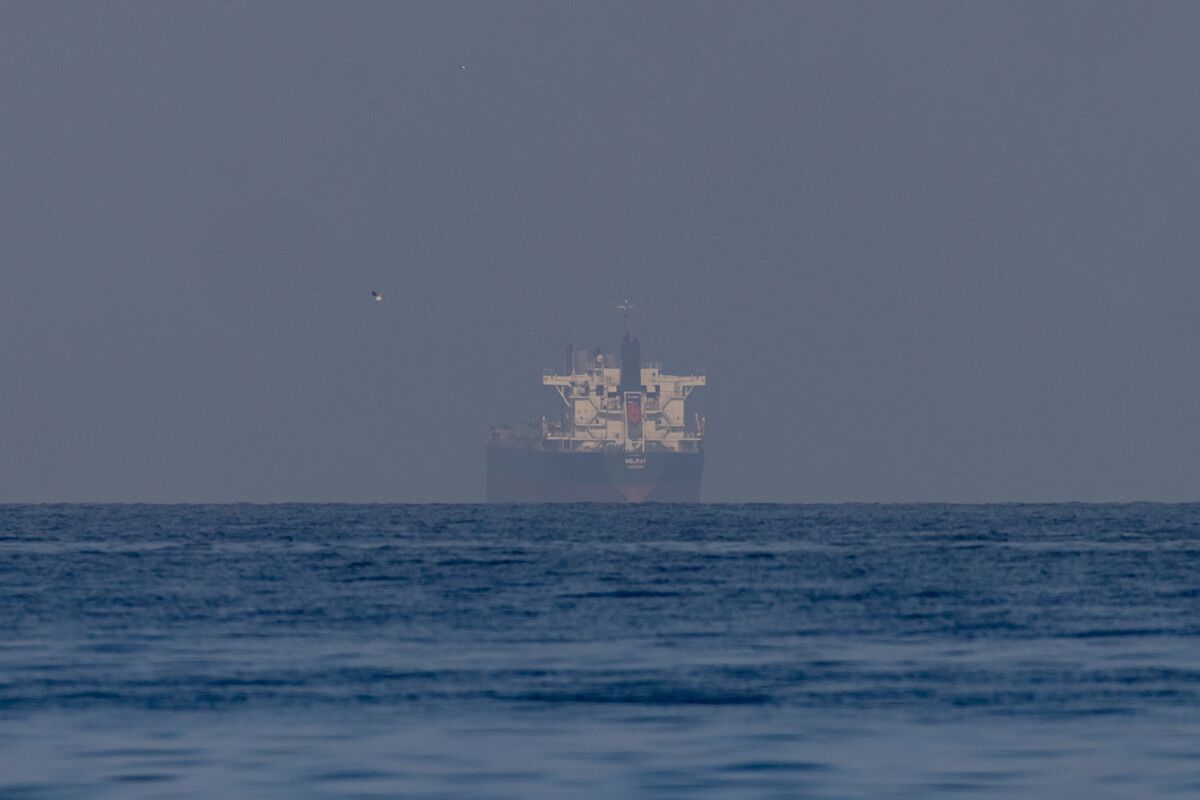
The US has asked European allies to present concrete plans within days to secure navigation through the Strait of Hormuz, according to a senior NATO official, with requests relayed at the White House, Pentagon and State Department. This raises a near-term risk premium for shipping and energy markets and could prompt defense-related operational commitments or spending decisions if plans translate into deployments.
Near-term winners are not just ship captains and navies: defense primes with existing naval programs and near-shore munitions/ISR backlogs will see accelerated procurement and spare-parts cadence within weeks as allies formalize plans. Expect tactical demand (patrol vessels, UAVs, sensors, secure comms) to materialize faster than large capital programs — meaning 3–12 month revenue recognition for suppliers rather than multi-year waits.
Insurance and freight markets will reprice risk asymmetrically — war-risk and kidnap/ransom premia can rise within days, while freight-rate effects (container/ro-ro/clean tankers) compound over 2–8 weeks as carriers reroute or slow-steam to avoid chokepoints. That creates a structural margin windfall for owners with flexible networks and idle ballast capacity, and squeezes integrated logistics players who cannot pass through higher bunker and schedule-reliability costs.
Energy transmission will be the marginal価格 amplifier: even a temporary reduction in Strait throughput quickly tightens physical crude and refined product availability to prompt-month contracts, pressuring prompt spreads and lifting spot bunker demand; but elastic responses (US exports, Atlantic tanker re-routing) can blunt that over 1–3 months. The decisive catalysts to monitor are: published allied deployment plans (days), insurance/IMO rulings on transit (1–2 weeks), and any unilateral interdiction or blockade (trigger for multi-month premium shocks).
The consensus underestimates balance-sheet effects: defense orderbooks and insurer premium pools mean visible cashflow improvements for select issuers within quarters, not years, which supports credit-spread tightening in corporate debt for beneficiaries. The main reversal path is a rapid diplomatic accommodation or an effective multinational naval shield that normalizes transit insurance and restores turn-times; both would compress the short-term rallies quickly.
AI-powered research, real-time alerts, and portfolio analytics for institutional investors.
Request DemoOverall Sentiment
neutral
Sentiment Score
0.00
