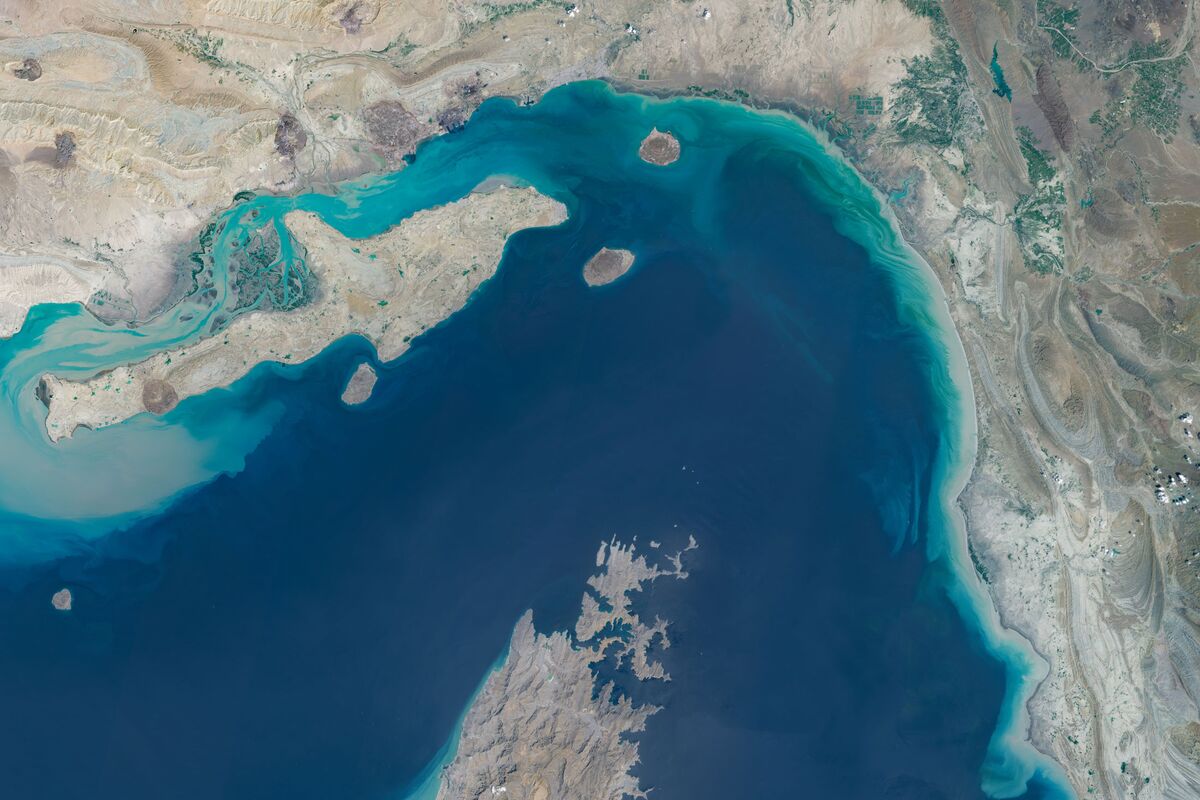
A Qatar LNG tanker, the Mihzem, is nearing the Strait of Hormuz after Pakistan negotiated passage for several shipments through the chokepoint. The vessel, which loaded at Ras Laffan in late February, is signaling Pakistan as its destination and appears to have entered an area Tehran claims to control. The development adds logistical and geopolitical risk to LNG flows through a critical energy shipping route.
The immediate market implication is not a broad energy supply shock but a volatility premium embedded into seaborne gas and regional freight insurance. A single LNG transit through a disputed chokepoint does little to global LNG balances, yet it creates an outsized option value for anyone exposed to prompt delivery risk: spot charter rates, war-risk premiums, and destination flexibility become more important than outright commodity price. The more important second-order effect is that buyers in South Asia will increasingly value contracted cargoes with rerouting flexibility over cheap spot supply, which should widen the relative premium for portfolio-grade LNG access.
The beneficiary set is more nuanced than “higher gas prices.” Integrated LNG exporters with Atlantic Basin exposure and diversified shipping control should outperform because they can arbitrage regional dislocations and redirect cargoes faster. Conversely, Pakistan is the weak link: every delay or insurance escalation tightens its external financing needs, raising pressure on FX reserves and increasing the odds of energy rationing, which feeds directly into sovereign stress and industrial demand destruction. That makes the macro transmission channel more EM-credit and FX than pure energy beta.
Tail risk is a temporary closure or forced rerouting, but the bigger medium-term catalyst is precedent. If this passage is accepted without incident, markets may underprice the cumulative erosion of passage certainty, which over months can lift contract renewals, shipping spreads, and LNG project hurdle rates in the region. The contrarian view is that the move could be overread: unless there is an actual disruption, the market may fade the headline after a few sessions because global LNG supply is still ample enough to absorb one route-specific uncertainty event.
From a trading standpoint, the cleanest expression is to buy volatility rather than chase direction. The setup favors a tactical long in LNG shipping and integrated gas names with global arbitrage optionality, paired against Pakistan-linked sovereign risk where available, because the asymmetry sits in delivery reliability and financing stress. If tensions ease, the premium decays quickly; if they escalate, the repricing can be abrupt and nonlinear.
AI-powered research, real-time alerts, and portfolio analytics for institutional investors.
Request DemoOverall Sentiment
mildly negative
Sentiment Score
-0.15
