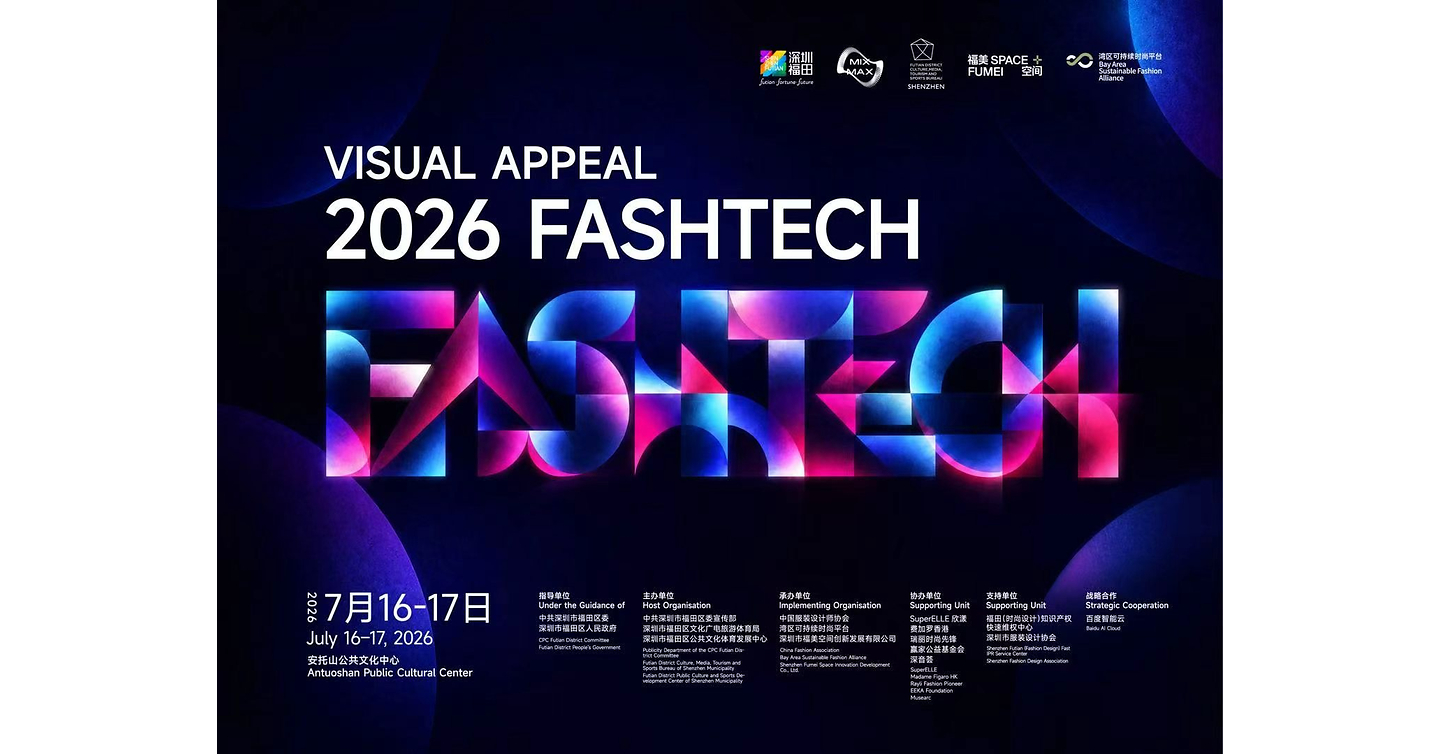
Shenzhen’s first Global “AI + Fashion” Innovation Application Competition (and 2026 FashTech event) concluded in Futian, drawing 300+ global representatives and ~1,000 teams submitting 2,500+ AI fashion projects across creative design and innovation solutions. The program highlighted AI use across the fashion value chain (design, production, intelligent marketing, smart wearables, and virtual spaces) and promoted international industry/academic collaboration via roundtables and exhibitions. While it signals momentum for fashion-tech commercialization, the article provides no direct financial results or company-specific impact.
This reads more like ecosystem signaling than a directly monetizable event. The only durable winners are the platforms that can turn AI-assisted content generation, virtual try-on, and personalized merchandising into measurable conversion lift or lower return rates; otherwise the value accrues to marketing spend, not incremental profit. In that sense, the real beneficiaries are likely cloud/model providers and e-commerce ecosystems with distribution, not the organizers or the event itself.
The second-order loser set is broader than it looks: incumbent agencies, low-end creative studios, and offline-heavy apparel retailers face margin pressure if AI compresses content production costs and shifts spend toward algorithmic targeting. But the adoption curve is likely measured in quarters, not days; without retailer disclosure of higher conversion or lower CAC, this stays a sentiment story. The near-term risk is that this becomes a crowded theme trade in Chinese AI application names before anyone proves unit economics.
Contrarian view: the market may be overestimating fashion as an AI use case because apparel is still a thin-margin category with high return rates and fragmented supply chains. AI can generate designs cheaply, but if it does not materially improve sell-through or inventory turns, it is just a prettier front-end on the same economics. For this to matter structurally over 6-18 months, we need hard evidence from listed retailers or platforms showing a 50-100 bps gross margin or return-rate improvement, not event-driven rhetoric.
AI-powered research, real-time alerts, and portfolio analytics for institutional investors.
Request DemoOverall Sentiment
mildly positive
Sentiment Score
0.12
Ticker Sentiment
