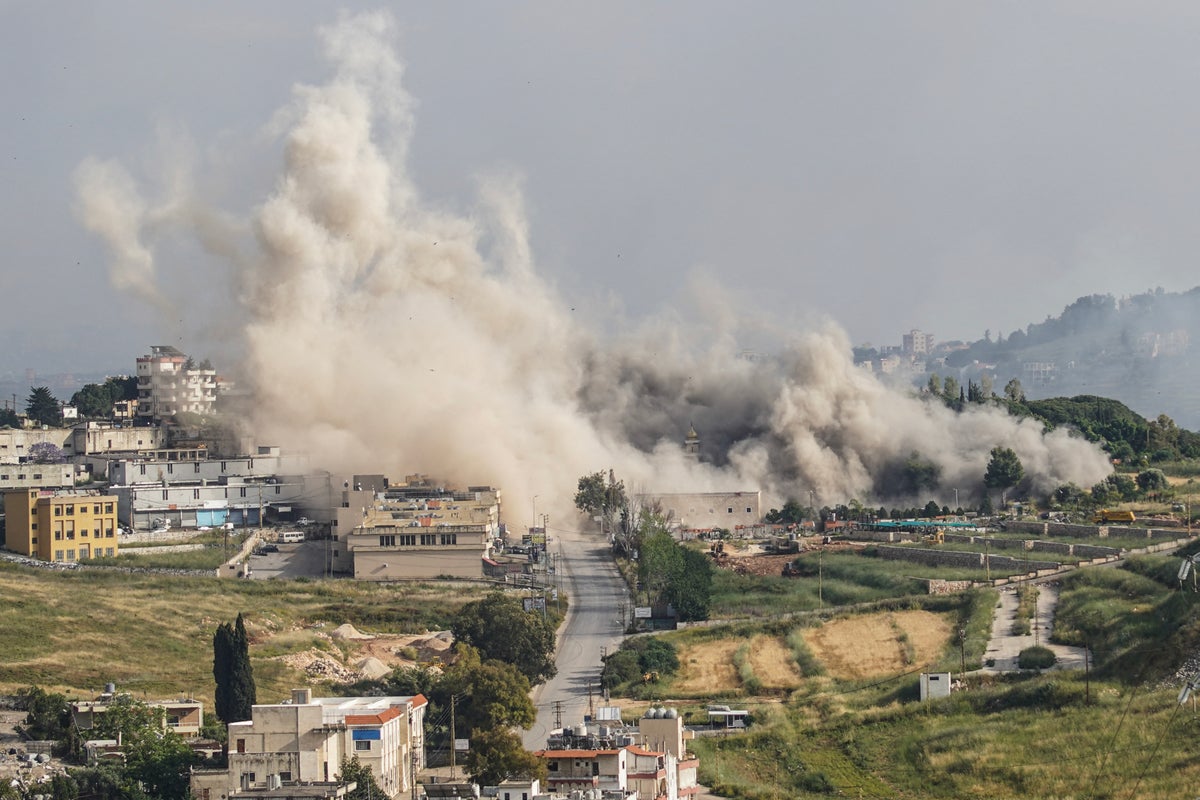
Iran is demanding the release of $24 billion in frozen assets as a condition for any peace deal with the US, with half reportedly due upfront and the balance within 60 days of signing. The article also highlights renewed violence in Lebanon, a suspected external explosion on a tanker near Oman, and a likely Iranian missile attack on a cargo ship in the Strait of Hormuz, all of which point to elevated Middle East supply and shipping risk. UK households may also face higher energy costs, with Ofgem warning of bills rising up to 13% in July.
The market is still underpricing the difference between a headline ceasefire and a functioning post-conflict regime. Even if talks advance, the bargaining chip being used here is not symbolic; unfrozen reserves would directly fund reconstruction, procurement, and quasi-fiscal stabilization, which reduces the probability of a near-term full re-escalation but also increases Iran’s ability to sustain asymmetric pressure through proxies and maritime harassment. That means the first-order relief trade is likely in front-end risk assets, while the second-order trade is a higher structural premium for shipping, marine insurance, and regional logistics for months, not days. The most vulnerable layer is the energy complex’s “physical optionality” in the Gulf: the longer uncertainty persists around access through Hormuz, the more refineries and LNG buyers will pay up for non-Gulf barrels and flexible cargoes. That should support Atlantic Basin crude differentials, LNG shipping day rates, and defense/missile-interception procurement budgets even if Brent itself does not hold a large war premium. The biggest loser is the set of import-dependent economies and transport-heavy sectors with low pricing power; they get squeezed by a combination of fuel costs, route elongation, and insurance pass-through, which compounds the inflation impulse already visible in power and freight. The contrarian point is that the market may be overestimating how much a deal would normalize flows. A deal that depends on staged asset releases is fragile by construction: any delay, wording dispute, or renewed strike can reset the timeline within days. Conversely, if a tranche of funds is released and the Strait stays open for several weeks, war-risk premiums could compress faster than consensus expects, especially in tankers and European utilities that have been trading on worst-case scenarios.
AI-powered research, real-time alerts, and portfolio analytics for institutional investors.
Request DemoOverall Sentiment
strongly negative
Sentiment Score
-0.65
