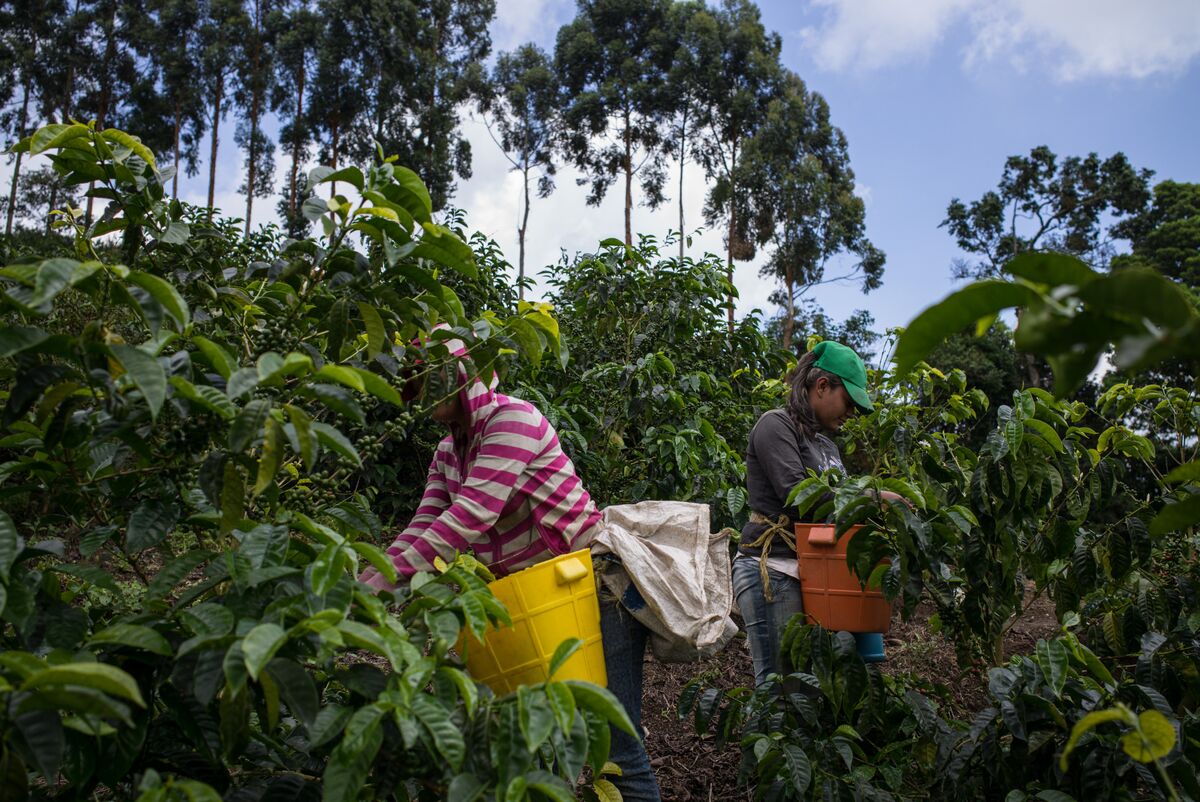
Armed robberies and extortion against farms in Colombia’s Andes are threatening production of some of the country’s highest‑quality coffee used by buyers such as Starbucks and Nestlé, with incidents concentrated in Nariño and Cauca, according to Germán Bahamón of the coffee growers’ federation. The security deterioration poses supply-chain and reputational risks for specialty coffee exporters and roasters, with potential local output disruptions that could pressure premium coffee availability and raise input costs for buyers.
Market structure: Security-driven disruptions in Nariño/Cauca raise risk of lost volumes in high-grade Colombian Arabica (specialty lots), creating near-term scarcity for premium beans while leaving bulk-supply (Brazil, Vietnam) intact. Buyers with brand-sensitive menus (SBUX) have limited pass-through; higher procurement costs are likely to compress gross margins by 20–50 bps if premium Arabica spikes >15% over 3–6 months, benefiting commodity traders and alternate-origin suppliers who can scale quickly.
Risk assessment: Tail risks include a prolonged guerrilla/organized-crime insurgency shutting 20–40% of regional exports for seasons (high-impact, low-probability) or new export/insurance regulations raising compliance costs 5–10% of farm-gate prices. Immediate (days) volatility in origin premiums, short-term (1–3 months) disruptions to logistics and grading, and medium-term (3–12 months) re-sourcing and price-index renegotiations are the main horizons to watch.
Trade implications: Expect widening spreads between Colombian origin premiums and ICE Arabica (KC) — opportunities to buy Arabica exposure and origin premia while hedging consumer names. Cross-asset: COP downside vs USD and Colombian sovereign credit spreads should widen; coffee-related volatility risk will lift options premia on KC and specialty ETNs (JO).
Contrarian angle: The market may underappreciate buyers’ willingness to pay up for Colombian lots to protect brand quality, limiting long-term price upside; conversely, large buyers might accelerate contract diversification, permanently reducing Colombian share by 5–15% over 12–24 months. Historical parallels (Central American coffee leaf-rust shocks) show temporary price spikes then demand-driven premium contraction once alternate origins ramp.
AI-powered research, real-time alerts, and portfolio analytics for institutional investors.
Request DemoOverall Sentiment
moderately negative
Sentiment Score
-0.35
Ticker Sentiment
