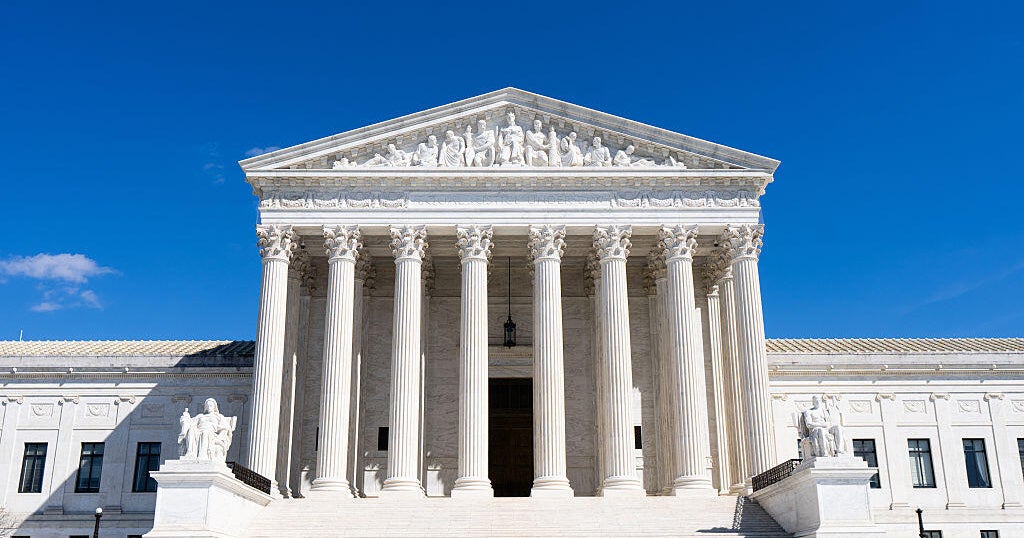
The Supreme Court agreed to hear St. Mary Catholic Parish v. Roy, a challenge to Colorado's universal preschool program over nondiscrimination rules tied to religious beliefs on gender identity and sexual orientation. The case centers on whether faith-based providers can be excluded from a state-funded preschool program unless they accept the state's equal-opportunity requirements; the Court did not take up overruling Employment Division v. Smith. The dispute is legally significant but is unlikely to have direct near-term market impact.
This is less about preschool policy and more about the next incremental step in a broader constitutional regime shift: if the Court sides with the Catholic challengers on narrow grounds, it expands the set of state-funded programs where religious institutions can demand bespoke exemptions without reopening the bigger Smith question. That would favor operators with clear religious missions, but it also raises the compliance cost of any public-private program that uses civil-rights screens as eligibility conditions.
The second-order effect is on supply, not just ideology. If religious providers can exclude on identity-based grounds and still receive subsidies, states will either (a) relax nondiscrimination rules, increasing participation from faith-based supply, or (b) tighten conditions and risk fewer seats, especially in markets already short on childcare capacity. In either case, the near-term economic risk is not litigation cost but local market disruption: even a modest reduction in participating providers can push families into pricier private alternatives and pressure state budgets to fill the gap.
For investors, the main public-market implication is not obvious direct beta but policy optionality around childcare and education vendors. A plaintiff win is mildly bullish for faith-linked school networks and operators that can segment offerings by mission, while a state win preserves the current operating model for providers that rely on universal enrollment rules and public reimbursements. The bigger issue is whether this case becomes a template for broader exclusion claims in Medicaid-adjacent, voucher, or contract-funded social services, where courts may increasingly favor religious accommodation over program uniformity.
Consensus is likely underweighting duration: headline volatility will arrive around argument and decision dates, but the investable impact could linger for years as states preemptively rewrite eligibility rules to avoid becoming the next test case. That means the real trade is on legal-regime uncertainty, not the single preschool program; the risk is an outcome that is narrow in doctrine but broad in administrative chilling effect.
AI-powered research, real-time alerts, and portfolio analytics for institutional investors.
Request DemoOverall Sentiment
neutral
Sentiment Score
-0.05
