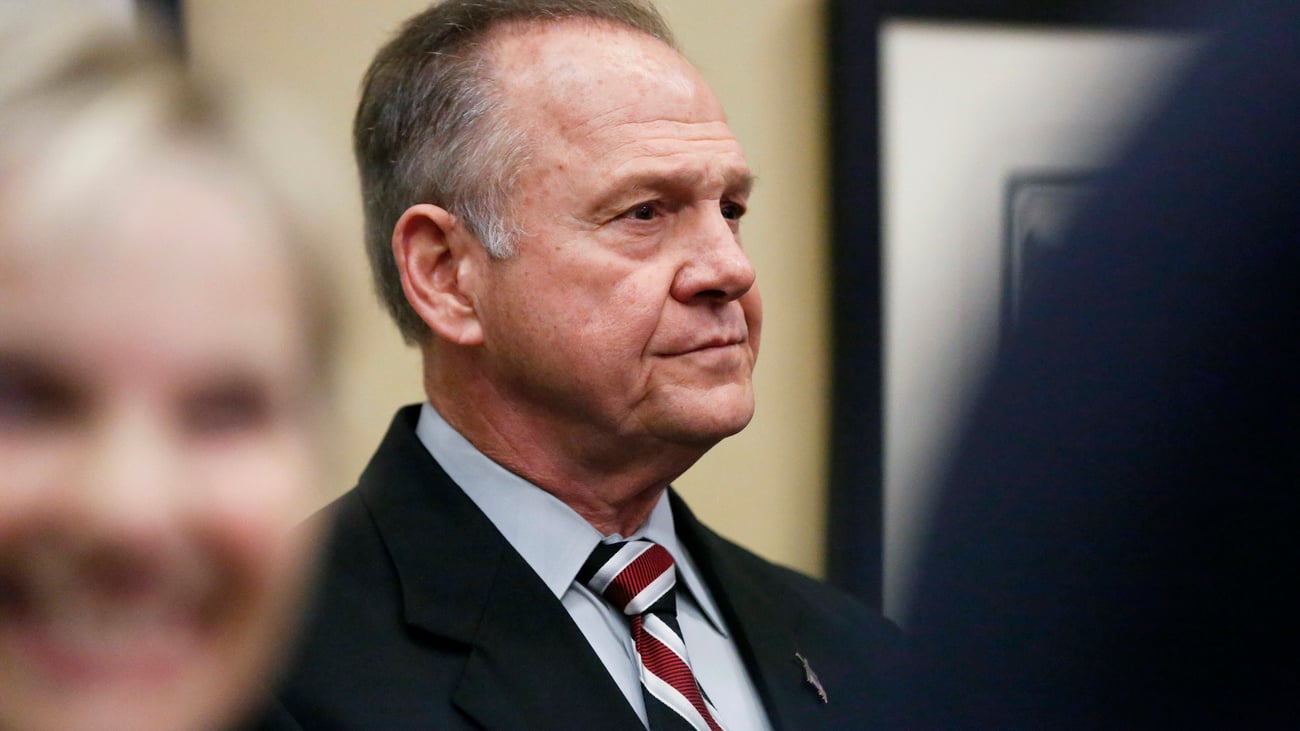
The 11th Circuit unanimously overturned Roy Moore’s $8.2 million defamation verdict, holding that Senate Majority PAC did not meet the actual malice standard for an implied-defamation claim. The court sent the case back to Alabama federal court for judgment to be entered in favor of SMP. Moore is considering en banc review or an appeal to the U.S. Supreme Court.
This is a meaningful de-risking event for SMP and, more broadly, for politically exposed speech-adjacent advertising: it raises the bar for plaintiffs trying to monetize ambiguity rather than provable falsity. The key second-order effect is that PACs and campaigns now have more legal cover to use aggressive implication-based messaging, which should modestly reduce expected litigation drag and settlement pressure across the election-cycle ad market.
For media platforms, the ruling is mildly constructive because it lowers the odds that broadcasters get pulled into discovery-heavy disputes over third-party political spots. The bigger beneficiary may be the ecosystem of political consultants and ad buyers, who can lean into legally vetted but rhetorically sharper creative without as much fear that a jury will later infer liability from context alone. That said, the opinion also implicitly rewards better documentation and citation hygiene, which should widen the gap between top-tier compliance-heavy firms and smaller, sloppier operators.
The near-term catalyst risk is procedural rather than commercial: Moore can still seek en banc or Supreme Court review, which keeps headlines alive for months and could briefly re-open tail-risk around adverse precedent if the full 11th Circuit were to narrow the panel’s framing. But the substantive risk/reward is now skewed toward SMP; the market should view this as a durable win unless a higher court takes the unusually plaintiff-friendly step of expanding implication liability. Contrarian read: the legal community may overestimate the chance of reversal because the panel’s reasoning aligns with the broader pro-Sullivan direction of appellate courts, making the path to overturning this ruling comparatively steep.
AI-powered research, real-time alerts, and portfolio analytics for institutional investors.
Overall Sentiment
neutral
Sentiment Score
-0.10
Ticker Sentiment
