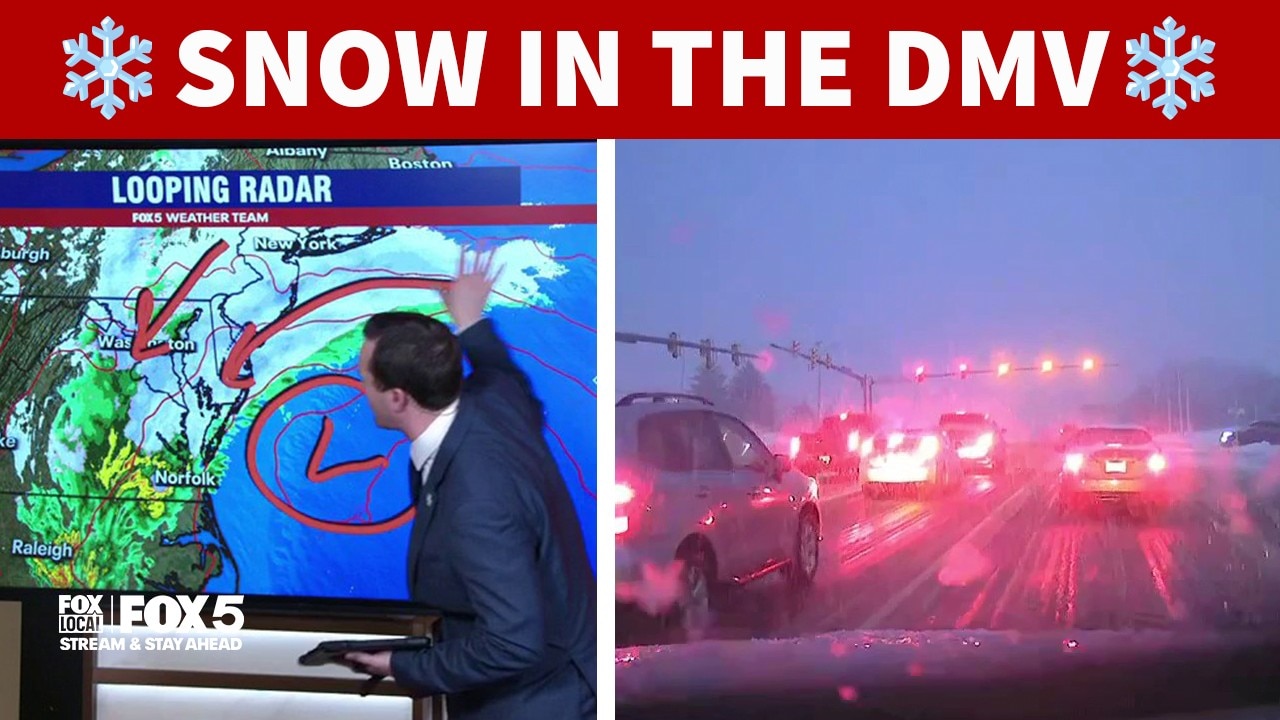
Maryland Gov. Wes Moore declared a state of emergency ahead of a powerful coastal nor’easter expected from tonight through Monday, closing state government offices Monday and issuing blizzard warnings for parts of the Eastern Shore. State emergency operations have been activated, MDOT and State Police are pre‑deploying crews and transit agencies are adjusting services as hundreds of regional flights have already been canceled; utilities have pre‑staged restoration crews and residents are urged to avoid travel and prepare for outages. The event poses near‑term localized risks to transportation, airport operations, and utility service that could temporarily disrupt regional economic activity and create operational stress for insurers, utilities and travel-related firms.
Market structure: Short-term winners are power-generator and home-prep names (Generac GNRC, HD, LOW) and electrical/infrastructure contractors (Quanta PWR) due to pre‑storm purchases and restoration capex; short-term losers are regionally exposed airlines (AAL, DAL) and airport/reit receipts tied to BWI/DCA/IAD where cancellations concentrate. Pricing power is transient: retail/heavy-equipment retailers can see a 5–15% sales uplift over 7–14 days, while airlines lose low-single-digit percentage revenue per storm day but recover quickly. Cross-asset: expect brief knee‑jerk steepening in short-dated Maryland municipal paper and a small uptick in Henry Hub (NG) basis in the Northeast if heating demand spikes >5% vs. forecast.
Risk assessment: Tail risk includes prolonged outages (>72 hours) causing multi-week supply-chain disruption for regional logistics and potential single-digit downgrades of municipal liquidity lines if emergency spend >$100m; corporate credit impacts are unlikely absent catastrophes. Immediate (0–7 days) effects are operational (cancellations, outages); short-term (weeks) sees restocking and capex boosts; long-term (quarters) effects are minimal unless repeated storms become seasonal. Hidden dependencies: fuel truck access, port/rail choke points and insurer claim seasonality can amplify losses; catalyst reversal would be rapid warming or restored transit in <24 hours.
Trade implications: Favor tactical long GNRC (2–3% portfolio) and PWR (1–2%) for 2–8 week plays; use short-dated (2-week) ATM puts on AAL/DAL sized 0.5–1% to capture spikes in cancellations. Consider a March NG call spread (bull 1‑month) if 7‑day HDDs beat forecasts by >10% or NG front-month rises >8% in 3 days. Rotate modest capital from discretionary travel ETFs (e.g., XLY leisure subcomponents) into home improvement and infrastructure names.
Contrarian angles: Consensus will over-penalize travel stocks for a local storm—if share declines exceed 8% without broader demand shock, buy dispersion; historical parallel: Sandy produced multi-week strength in restoration contractors and generator makers, not lasting airline impairment. Unintended consequence: aggressive restocking by retailers can lift inventory and margins for one quarter but compress gross margin longer term if demand normalizes; size positions accordingly and use tight stops.
AI-powered research, real-time alerts, and portfolio analytics for institutional investors.
Request DemoOverall Sentiment
mildly negative
Sentiment Score
-0.30
