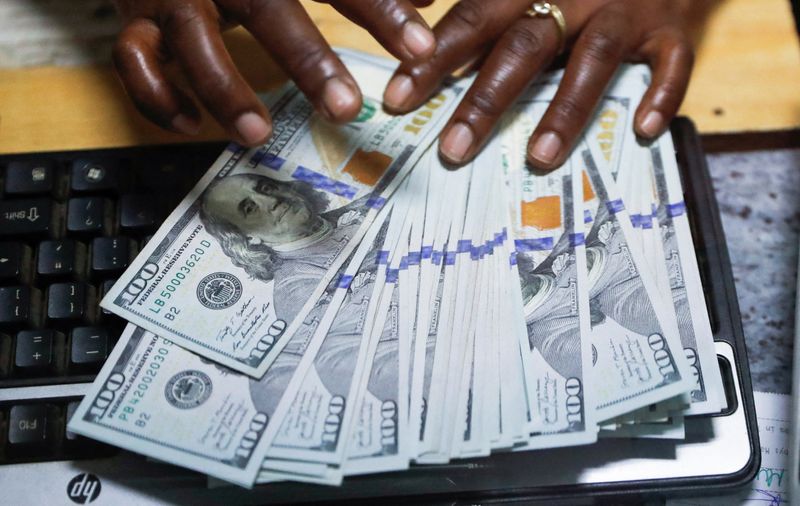
BofA's April 3–9 survey of 30 global fund managers overseeing $341 billion shows investors see recent U.S. dollar strength as temporary, with most expecting the dollar to weaken as growth concerns outweigh inflation fears and the Fed turns dovish. The highest-conviction trade is now long rates for 2026, reflecting expectations that policy rates have peaked and yields will fall. Geopolitical risks remain elevated: fewer than one-third expect normal Strait of Hormuz shipping to resume by mid-year, while oil is seen stabilizing at $90–$99/bbl and gold at $5,000–$5,500.
The market is still treating geopolitics as a dollar-supporting shock, but the more important signal is that positioning has not flipped into a durable pro-dollar regime. That matters because once the emergency cover is done, the dollar tends to trade the next macro regime: slower U.S. growth, easier Fed policy, and narrowing rate differentials. In other words, the recent USD bounce looks more like a squeeze than the start of a new secular uptrend. The biggest second-order effect is in rates. If investors are right that peak policy is in and growth is the binding constraint, the cleanest expression is duration, especially at the front end where the market still prices too much inertia. A softer Fed with stable-to-lower breakevens also argues for a flatter dollar bear market versus cyclicals in EM, but with selectivity: countries with external funding needs are most vulnerable if U.S. yields stop backing up. Energy is the clearest asymmetry. The market is likely underpricing how quickly a prolonged disruption in Hormuz would reprice not just crude, but shipping insurance, refinery feedstock spreads, and working-capital stress across airlines, chemicals, and trucking. If crude stabilizes in the high-$90s while shipping remains impaired, the hidden winner is midstream and services with inflation-linked cash flows; the hidden loser is anything with low pricing power and high fuel intensity. The contrarian miss is that gold may be a cleaner hedge than oil or the dollar if the real catalyst is fiscal dominance and central-bank credibility erosion rather than a pure war premium. That makes the trade less about chasing spot moves and more about owning convexity into a regime where real yields fall, policy easing arrives earlier than expected, and geopolitics keeps suppressing confidence in fiat assets.
AI-powered research, real-time alerts, and portfolio analytics for institutional investors.
Overall Sentiment
neutral
Sentiment Score
-0.05
Ticker Sentiment
