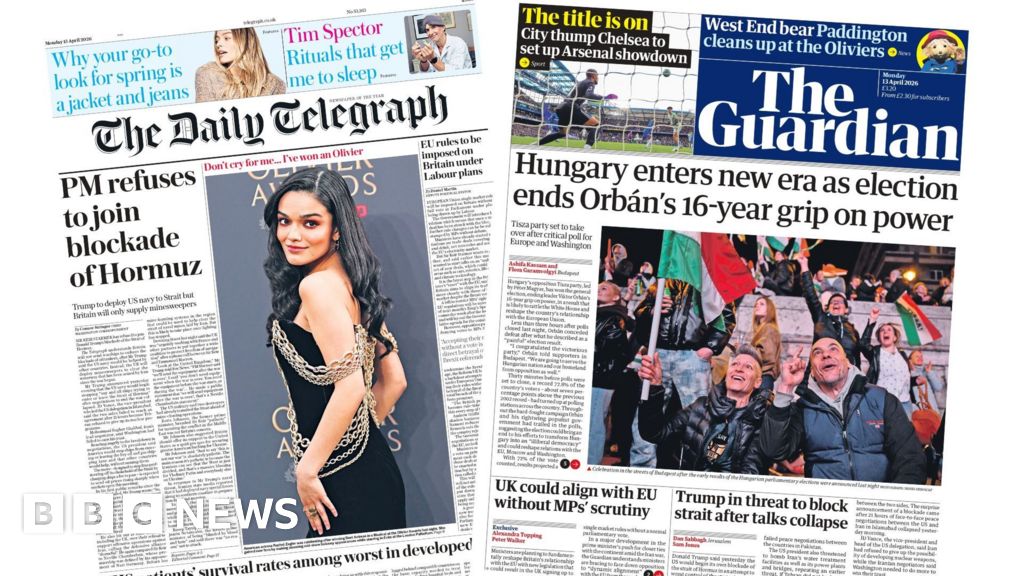
The article highlights multiple policy and macro headwinds, including plans to let Britain adopt EU single market rules without a parliamentary vote, which critics frame as a Brexit-related betrayal. It also warns that tensions in the Strait of Hormuz could push oil prices higher, lifting UK inflation and costing middle-income households around £480 this year. Separately, NHS figures show hospital admissions from spider bites in England doubled from 47 in 2015 to 100 in 2025, a health story but with limited market relevance.
The market is underpricing the asymmetry between headline noise and second-order macro drift. The domestic rule-change angle is not a near-term earnings story by itself, but it raises the probability of a slower, less transparent regulatory regime, which is typically negative for UK domestic cyclicals, asset-light service businesses, and sectors that rely on stable legal process. The bigger issue is that “policy-by-decree” can compress the risk premium on UK assets for international capital even if the economic impact is modest, because governance uncertainty tends to leak into sterling and UK duration before it shows up in profit warnings. The oil shock is the cleaner trade. A Hormuz blockade risk is a tail event, but even a small probability materially lifts implied volatility across energy, transport, and consumer inflation expectations. The second-order loser is the middle-income consumer: fuel and utility pass-through arrives faster than wage catch-up, so discretionary categories with weak pricing power are the first place to see margin compression over the next 1-2 quarters. That favors staples and large-cap defensives over UK retail, leisure, and travel names, especially if energy headlines keep front-running CPI revisions. Healthcare is a lower-conviction but interesting micro theme: rising bite-related admissions is not a broad medical-device or pharma catalyst, but it does reinforce a small-cap opportunity set in urgent care, antihistamines, antiseptics, and private treatment providers if the issue stays in the news. The contrarian view is that the market may overreact to the geopolitical oil headline if no supply disruption materializes within days; in that case, energy beta fades quickly, while the inflation narrative persists more slowly through expectations rather than spot prices. That makes options preferable to outright cash equity for the macro expression.
AI-powered research, real-time alerts, and portfolio analytics for institutional investors.
Request DemoOverall Sentiment
mildly negative
Sentiment Score
-0.25
