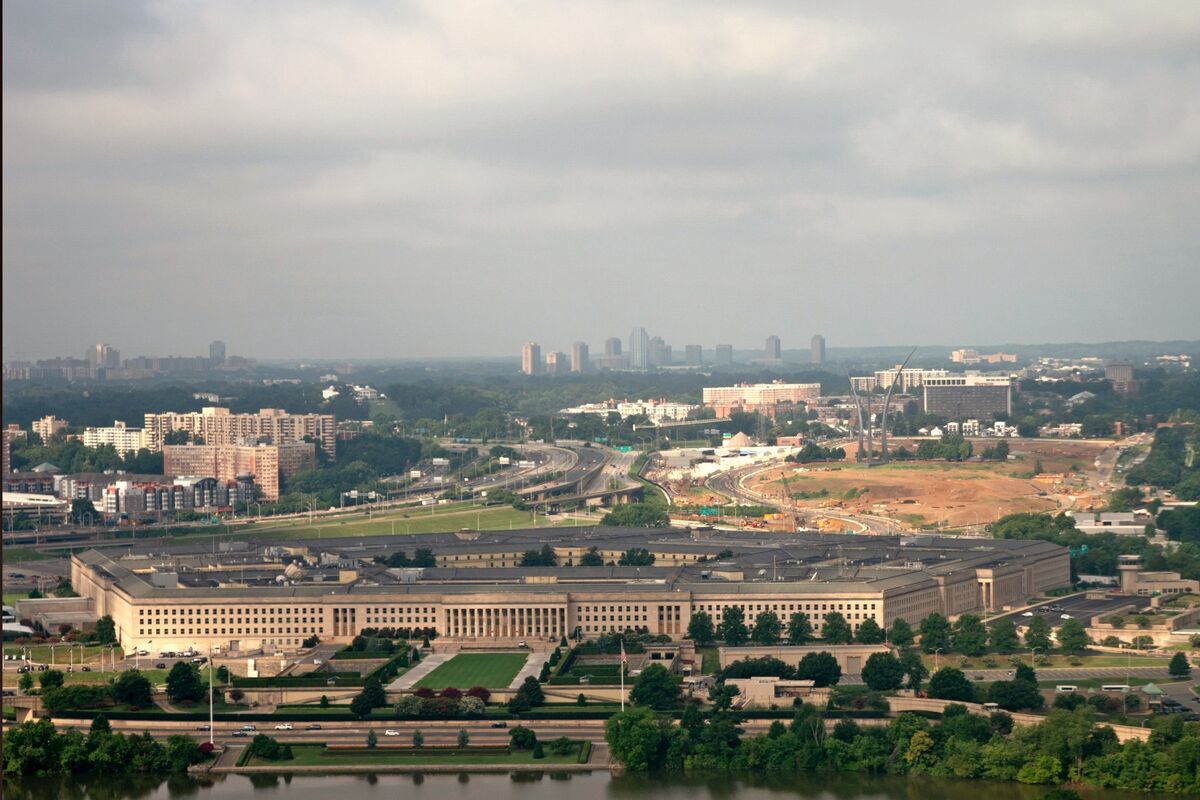
The Pentagon briefly added Alibaba and Baidu to a blacklist of firms alleged to aid the Chinese military, then had the Federal Register mark the action as "unpublished" minutes later. The episode underscores policy inconsistency in the Trump-Xi truce and rattled the two U.S.-listed Chinese tech names, both of which fell that morning. Alibaba and Baidu said they would contest any military-company designation.
The key signal is not the blacklist itself but the institutional incoherence behind it. That weakens the credibility of future China restrictions because market participants will increasingly discount first-pass announcements until they survive interagency review; the near-term beneficiary is not the named names getting hit, but firms with cleaner geopolitical footprints and less headline beta in the AI supply chain. In practice, this shifts pressure from mega-cap China internet platforms toward a broader basket of China-sensitive ADRs, while also lowering the probability that one-off escalation maps cleanly into durable policy.
For BABA and BIDU, the damage is likely more technical than fundamental in the first several weeks: forced de-risking, higher borrow costs, and retail/ETF outflows can dominate even if the designation never hardens. The bigger medium-term risk is regulatory ratchet: even a failed attempt can become a template for future action by Treasury, Commerce, or Congress, keeping a risk premium embedded for months. That matters especially for BIDU, where AI positioning invites repeated policy scrutiny, and for BABA, where passive flows and index ownership can amplify downside on any renewed headline.
The contrarian read is that this may actually reduce the odds of an immediate, broad decoupling shock before the summit, because Washington just revealed internal resistance to escalation. If so, the selloff is likely to mean-revert once the market realizes the list is more theater than enforceable action, but that rebound will probably lag until a clear policy arbiter revalidates the threat. The cleanest trade is therefore not a blind long dip-buy, but a structure that monetizes elevated political vol while limiting gap risk.
AI-powered research, real-time alerts, and portfolio analytics for institutional investors.
Overall Sentiment
mildly negative
Sentiment Score
-0.25
Ticker Sentiment
