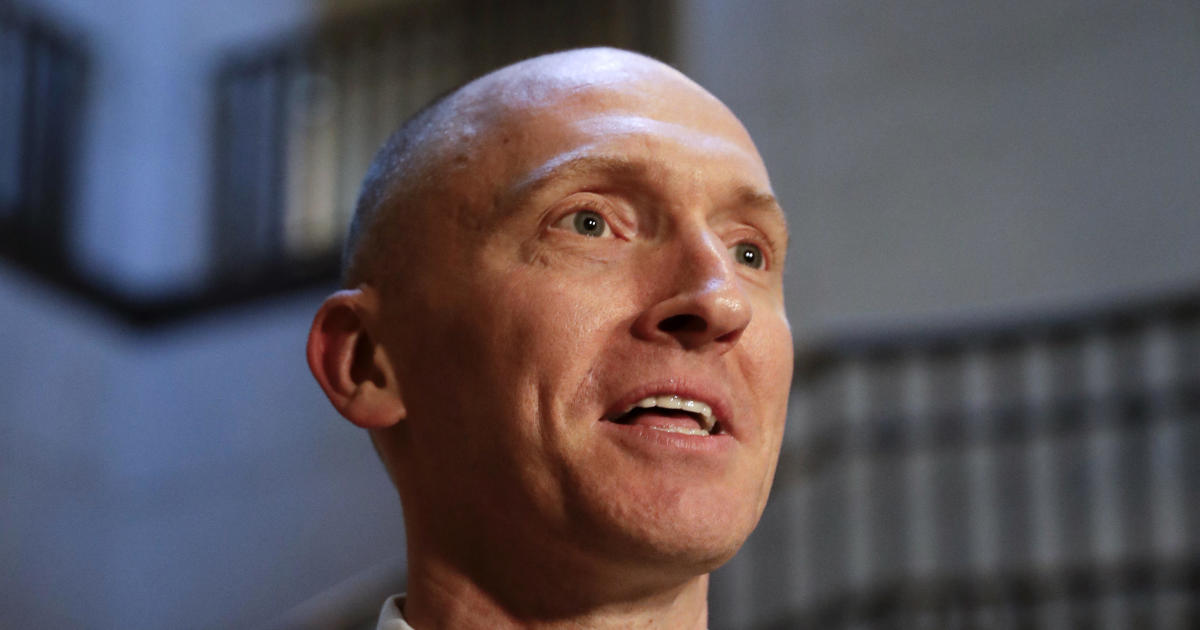
The Trump administration agreed to a $1.25 million settlement with former campaign adviser Carter Page over claims tied to FBI surveillance warrants, covering only his PATRIOT Act claim and not his FISA claims against individual defendants. The settlement follows earlier court rulings dismissing Page's lawsuit and a D.C. Circuit finding that the statute of limitations barred his claims. The article is primarily a legal and political update with limited direct market impact.
This settlement is economically trivial, but it matters as a signaling device: it lowers the expected value of future government-to-government litigation tied to surveillance abuses and makes the issue feel less abstract for the market’s policy/risk desks. The second-order implication is not broad equity beta; it is a modest increase in legal-risk asymmetry for firms exposed to government data access, subpoenas, or compliance with intelligence/law-enforcement requests, because the current administration is explicitly validating a “weaponization” narrative that could shape oversight priorities for months.
The real beneficiaries are not the principals in the case, but the ecosystem of privacy, litigation support, and compliance tooling. If this turns into a wider push for internal audits, document preservation, and surveillance-controls reviews, the incremental spend should flow toward identity governance, records management, e-discovery, and endpoint visibility vendors with federal and regulated-enterprise exposure. The loser set is more diffuse: legacy government-services contractors and compliance-light software providers could face longer sales cycles if agencies become more cautious about metadata retention, interception workflows, and auditability.
The contrarian angle is that the market may overestimate the durability of the headline while underestimating the tail risk of follow-on discovery and political escalation. A single settlement does not change statutory immunity, but it can encourage copycat claims and keep the surveillance/tech-privacy debate alive into the next budget cycle; that means the trade is more about option value on policy volatility than a clean thematic rerating. In the near term, any reversal would likely come from the settlement being framed as one-off and nonprecedential, which would compress the urgency around privacy and oversight spending within 1-2 quarters.
AI-powered research, real-time alerts, and portfolio analytics for institutional investors.
Request TrialOverall Sentiment
neutral
Sentiment Score
-0.05
