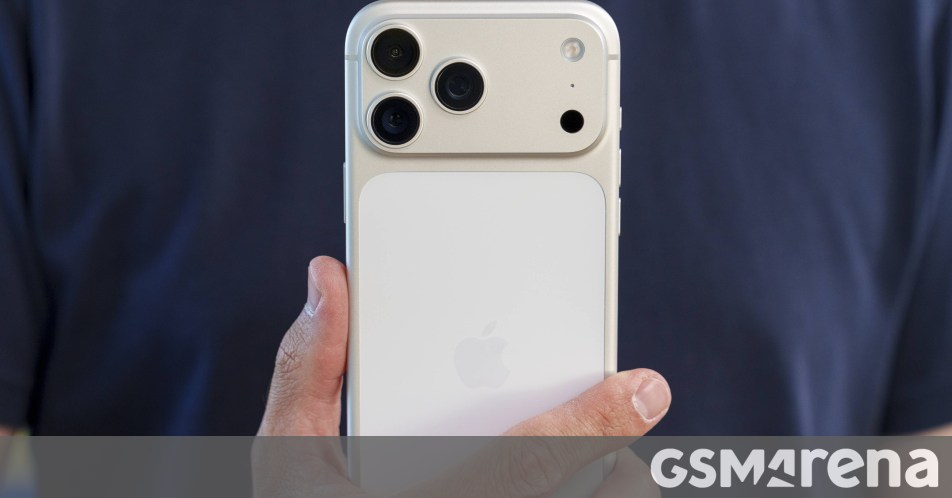
Apple is reportedly working on adding third-party casting support, including Google Cast, to iOS 27 and may allow users to set it as the default for wireless streaming. The move appears aimed at complying with the EU's Digital Markets Act, though it is unclear whether the feature will be limited to the EU or rolled out globally. The development is incremental and regulatory-driven rather than a major commercial event.
This is less about a meaningful consumer feature expansion and more about Apple being forced to standardize an interface that has been a small but durable moat. The second-order effect is that casting becomes a protocol race instead of a platform lock-in problem, which marginally improves switching economics for smart TVs, speakers, and home audio ecosystems. That should compress the value of proprietary “works best with iPhone” positioning over time, even if the immediate revenue impact is negligible.
The bigger implication is competitive: Google benefits disproportionately if Cast becomes a first-class system option on iPhone, because it can shift the default mental model from Apple-owned to multi-vendor. That may improve Android TV and Google TV attach rates at the margin, while reducing the need for awkward third-party AirPlay workarounds that monetize through ads and subscriptions. For Apple, the risk is not lost hardware revenue, but a gradual weakening of services adjacency and ecosystem stickiness in the living room, a category where engagement has historically been protected by friction.
Catalyst timing matters: this is a policy-driven feature, so the market can ignore it until the WWDC reveal, then reprice once the implementation scope is clear. The key binary is whether the change is EU-only or global; an EU-only roll-out limits financial impact, while global support would signal Apple is choosing operational simplicity over regional fragmentation, increasing the chance of broader ecosystem spillover. The contrarian angle is that this may actually be mildly positive for Apple long term if it reduces regulatory overhang and lowers support burden, meaning the market may be overestimating the strategic damage and underestimating the benefit of defusing a recurring DMA fight.
AI-powered research, real-time alerts, and portfolio analytics for institutional investors.
Request DemoOverall Sentiment
neutral
Sentiment Score
0.05
Ticker Sentiment
