



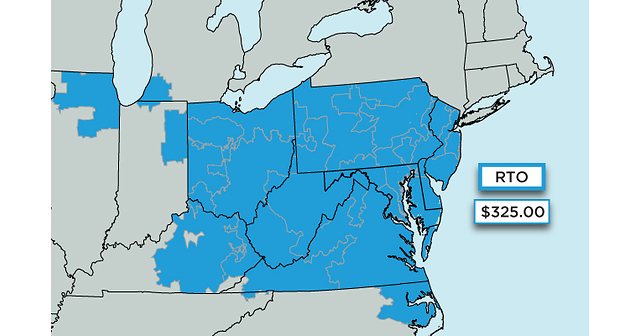
PJM’s 2028/2029 Base Residual Auction cleared capacity at the FERC-approved cap of $325/MW-day (UCAP), 2.5% lower than the prior $333.44 cap, for a total cleared value of $16.4B. However, total cleared capacity plus FRR resources fell short of the reliability requirement by 6,831 MW, the first time in PJM history the entire RTO missed the reliability target, prompting plans for a September FERC “Backstop Procurement.” PJM is also pursuing expedited and streamlined interconnection (including AI-enabled study timeline reductions) to restore supply as demand grows faster than generation.
This is a bullish signal for existing dispatchable generation and a mixed signal for everyone trying to add load in PJM. The important mechanism is not the auction print itself; it is that the market is now formally signaling a durable reserve deficit, which should keep forward power spreads and ancillary-value optionality elevated for owners of existing nuclear, gas, and other high-accreditation assets over the next 3-12 months.
The second-order loser is incremental demand, especially data-center buildouts that rely on fast interconnection and cheap capacity. Even if hyperscalers can sign bilateral PPAs or self-supply, smaller colo operators and balance-sheet constrained developers will face higher all-in site costs, more deposit friction, and more incentive to migrate to less constrained grids. GOOGL is a relative beneficiary only at the margin: its collaboration on queue-study tooling is strategic optionality, not an earnings driver, but it does improve its ability to secure power for AI infrastructure versus weaker peers.
The contrarian risk is that policy tools cap the upside before scarcity can fully reprice. Collars, mitigation, and a potential backstop procurement mean this may translate into a slower grind higher in merchant margins rather than a blow-off move. What would falsify the scarcity thesis is a credible supply response by September—approved backstop MW, faster interconnection approvals, or a 2029/2030 auction that clears materially below the cap with a shrinking shortfall.
AI-powered research, real-time alerts, and portfolio analytics for institutional investors.
Overall Sentiment
mildly negative
Sentiment Score
-0.25
Ticker Sentiment
