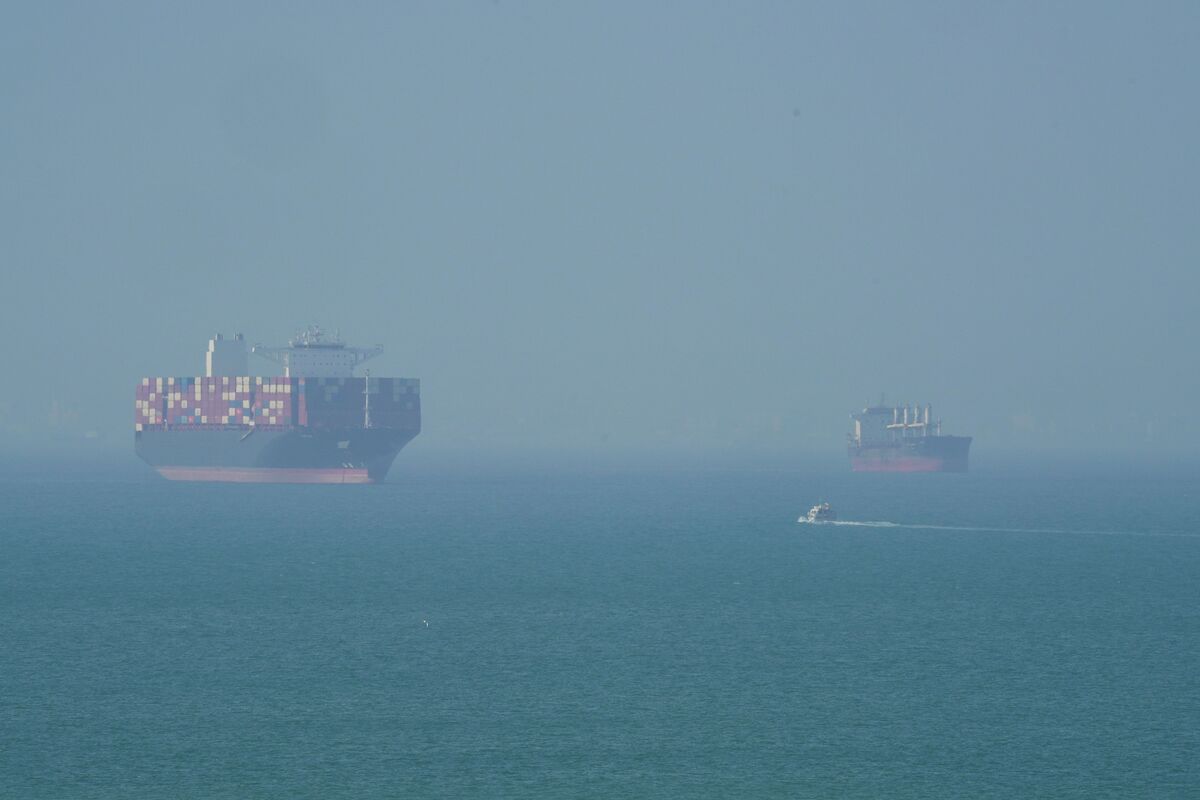
A near-final US-Iran deal would give Iran immediate permission to sell oil, access to a $300 billion development fund, and eventual release of frozen assets in exchange for ending its chokehold on the Strait of Hormuz and committing not to seek nuclear weapons. The agreement would be a major geopolitical de-escalation with potentially material implications for global oil supply and energy markets. The article does not provide timing for asset release, but the scale of the incentives suggests a significant policy shift.
The first-order loser is not just crude but the entire volatility stack tied to chokepoints and sanctions enforcement. If markets start treating Iranian barrels as durable rather than episodic, the marginal risk premium embedded in Brent time spreads, tanker rates, and energy equities should compress faster than headline spot prices, because shipping and insurance are forward-looking and will reprice on legal certainty before molecules physically move.
The more interesting second-order beneficiary is not an obvious Iran proxy but any asset that gains from lower imported-energy inflation: Asian industrials, European transport, and rate-sensitive cyclicals with thin margins. A credible de-escalation also weakens the “higher-for-longer” argument at the margin, because one of the cleanest sources of exogenous inflation shock gets removed; that matters most over 1-3 months as CPI expectations and terminal-rate pricing adjust.
The main tail risk is implementation failure. If the deal proves reversible, markets may initially underprice the probability of renewed Strait disruption, then gap wider on any delay in asset unfreezing, oil license issuance, or enforcement language; that asymmetry makes near-dated options more attractive than outright directional futures. Another overlooked risk is that a sanctioned-flow normalization can invite opportunistic production from other embargoed producers, lowering the collective scarcity premium even if Iranian exports ramp slower than expected.
Consensus may be too focused on whether Iranian barrels return and not enough on how quickly the war-risk premium can be stripped out once the market believes the corridor is open. In that sense the move is likely underdone in the shipping and upstream volatility space, but potentially overdone in broad energy beta if traders assume immediate flood-like supply rather than a gradual ramp constrained by infrastructure and distribution bottlenecks.
AI-powered research, real-time alerts, and portfolio analytics for institutional investors.
Request DemoOverall Sentiment
mildly positive
Sentiment Score
0.15
