
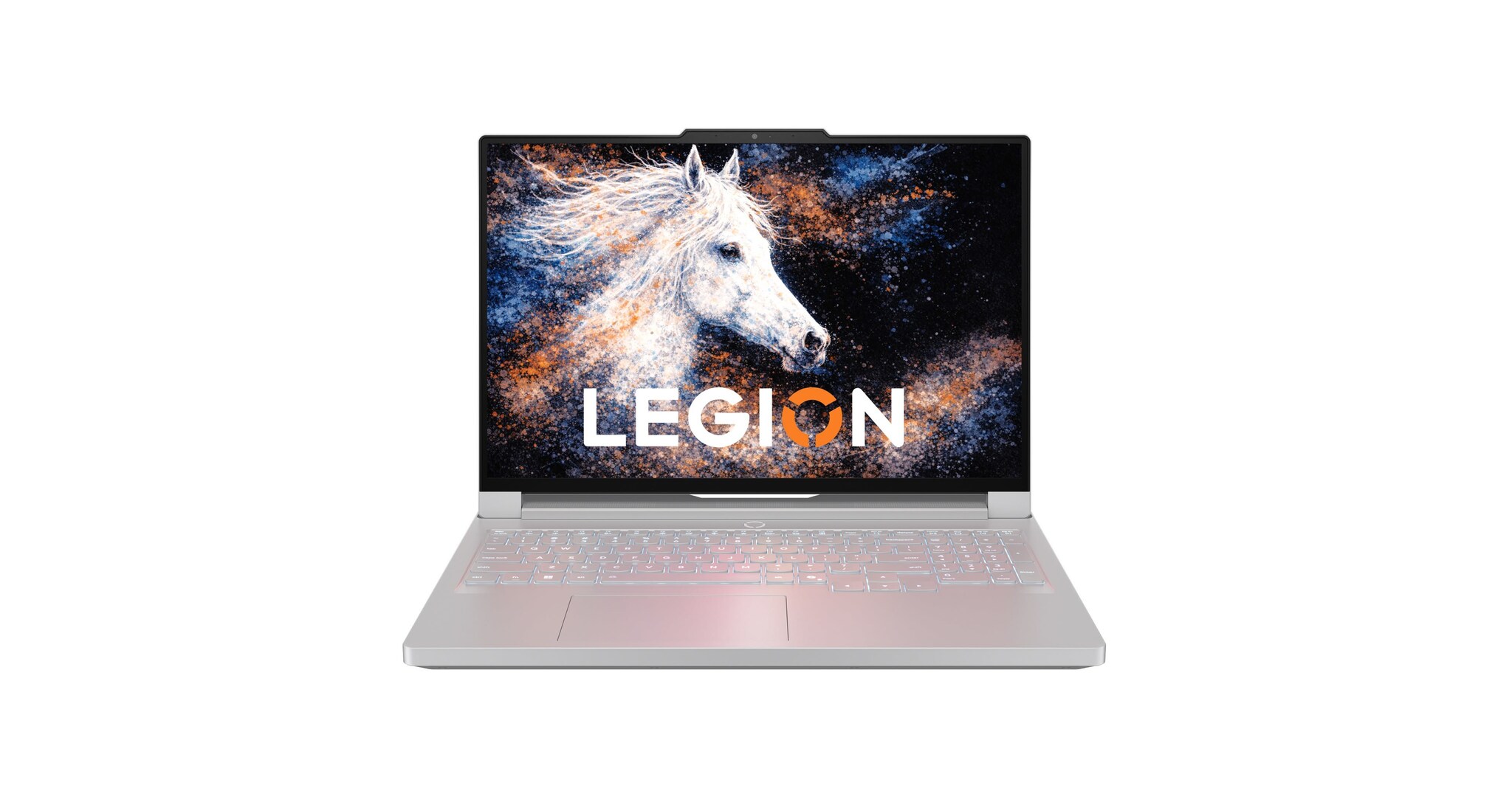
Lenovo launched the Legion R9000P laptop with TCL CSOT’s inkjet-printed OLED (IJP OLED) display for the first time in the laptop category, featuring a 16-inch panel with a 240Hz refresh rate and 99%+ DCI-P3 coverage. The article highlights the inkjet manufacturing approach versus vacuum thermal evaporation as potentially lower-cost and more scalable, citing TCL CSOT’s move into mass production via its 5.5-generation line in Wuhan (t12) and planning for an 8.6-generation line (t8). Overall, this is a meaningful commercialization milestone for next-gen display tech, though likely limited near-term impact beyond the involved companies.
This is a credibility event more than a revenue event. For Lenovo, the near-term P&L read-through is limited because a single premium SKU won’t move companywide margins, but it does give the firm a differentiated feature in the highest-ASP notebook tier where mix matters most. The bigger medium-term implication is competitive: if a China-based panel maker can deliver acceptable yields on a lower-capex OLED process, it pressures incumbent display vendors and may eventually widen OLED penetration into categories that were previously constrained by cost and tooling complexity.
The key catalyst path is not the launch itself but follow-on qualification. Over the next 1-3 quarters, watch for a second OEM, broader size adoption, or commentary on defect rates and lifetime performance; without that, this remains a controlled demo. If yields inflect and panel pricing proves structurally lower, the economics could favor faster share gains in premium laptops and tighter price competition in high-end LCD, but that is a 6-18 month story, not a next-week trade.
The contrarian risk is that the market overassigns strategic significance to the first commercial unit. Early manufacturing ramps often mask hidden costs in scrap, warranty, and qualification, so a cost advantage on paper can disappear in real production. Any knee-jerk rally in the perceived display beneficiary should be faded unless there is evidence of second-source demand, while Lenovo should only be owned if investors are paying for optionality rather than an immediate earnings step-up.
AI-powered research, real-time alerts, and portfolio analytics for institutional investors.
Request TrialOverall Sentiment
moderately positive
Sentiment Score
0.45
Ticker Sentiment
