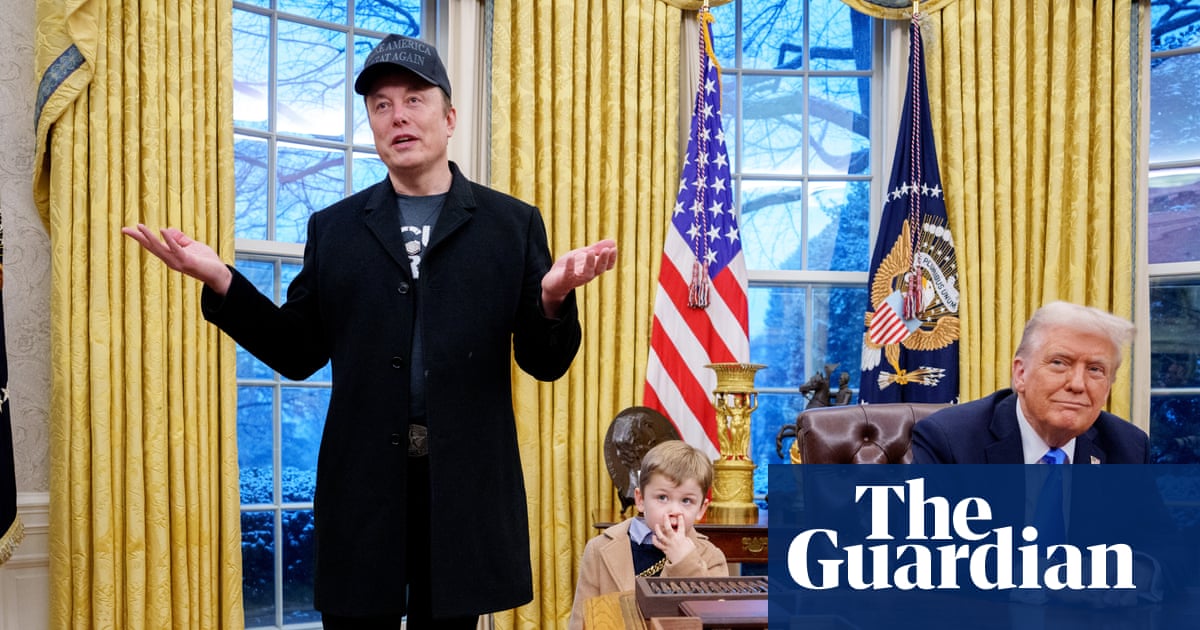
The White House initiative styled the “department of government efficiency” (Doge) appears to have been effectively dissolved with roughly eight months left on its mandate, OPM Director Scott Kupor saying it is no longer a centralized entity after Elon Musk and Vivek Ramaswamy were originally tapped to run it. The office’s campaign to slash federal programs reportedly coincided with more than 200,000 federal layoffs and about 75,000 buyouts — cuts the group claimed saved “billions” but which remain unaudited amid staff rehousing, an internal feud between Trump and Musk, and wide reassignment of senior Doge personnel into other government roles. For investors and contractors, the collapse and OPM’s absorption of many responsibilities create near‑term uncertainty around the enforcement and accounting of purported savings, governance of future reform efforts and the political risk attached to federal spending changes.
The White House initiative labelled the "department of government efficiency" (Doge) appears to have been effectively dissolved well before its 24 July 2026 mandate after Office of Personnel Management director Scott Kupor told Reuters it is "no longer a centralized entity," confirming earlier signs the unit was winding down. Doge was created by executive order on the president's first day and was led publicly by Elon Musk and Vivek Ramaswamy; Musk's departure from Washington in May and public remarks by the president referencing Doge in the past tense reinforced the dissolution narrative.
Operationally, the group oversaw a campaign that the article says produced more than 200,000 layoffs and roughly 75,000 buyouts, with the organisation claiming it "saved billions" but providing no public accounting and drawing criticism for nontransparent tactics and unilateral spending cuts. Staff upheaval and internal feuds — including employees rehousing and concerns about potential legal exposure — increase the likelihood that claimed savings will be contested or audited.
Responsibility for many functions has migrated to OPM and several senior Doge figures have been reassigned across government (Amy Gleason, Zachary Terrell, Rachel Riley, Joe Gebbia), creating execution and governance uncertainty for future reform and for vendors exposed to abrupt policy shifts. For investors, the primary implications are near‑term uncertainty around federal spending adjustments, unverifiable savings claims, and concentrated political risk tied to personnel reassignments rather than immediate industry-wide structural change.
AI-powered research, real-time alerts, and portfolio analytics for institutional investors.
Request DemoOverall Sentiment
moderately negative
Sentiment Score
-0.45
Ticker Sentiment
