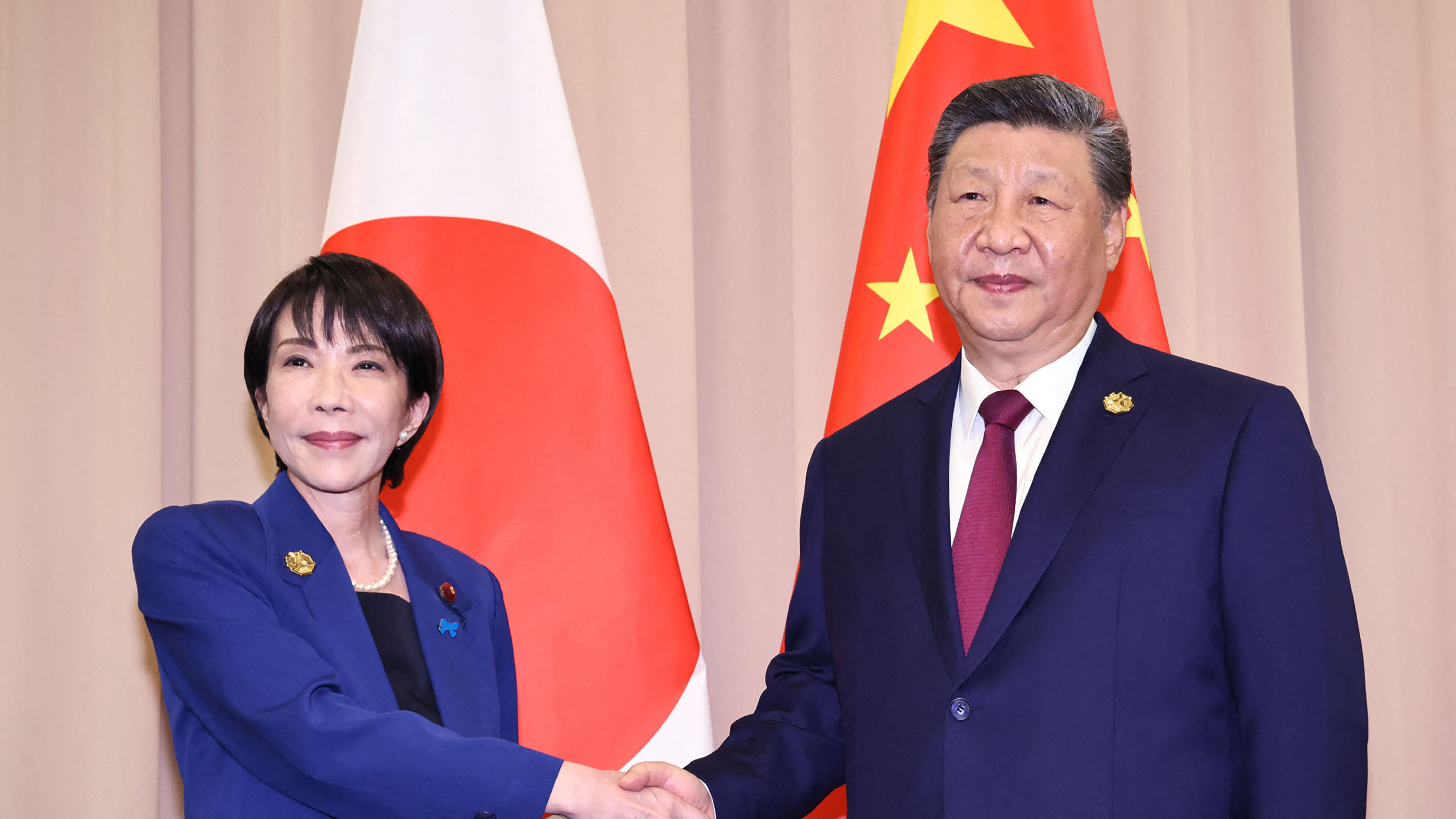
Japanese Prime Minister Sanae Takaichi’s Nov. 7 remarks on a Taiwan contingency have provoked strong diplomatic backlash from Beijing and prompted a range of calibrated Chinese responses—diplomatic pressure, a de facto seafood import ban and travel/study warnings—while holding back from major economic levers like rare-earth export controls so far. The episode increases the risk of a permanently lower baseline in Japan–China relations, accelerates Tokyo’s de‑risking of supply chains (Japan’s rare‑earth dependence fell from ~90% in 2010 to ~60% in 2023) and raises exposure for defense, supply‑chain‑sensitive and regional trade-linked assets amid uncertain U.S. policy that could either restrain or embolden further Chinese escalation.
Market structure: Geopolitical friction disproportionately benefits defense contractors (US: LMT, RTX, NOC) and non-China rare-earth/mining producers (MP, LYSDY) while hurting Japan-exposed exporters, tourism, and China-reliant manufacturing supply chains. Expect a 10–30% relative rerating over 6–18 months for defense/mining vs. broad Asia ex-Japan equities if tensions persist; JPY strength and higher volatility will transiently compress equity multiples.
Risk assessment: Tail risks include a limited military skirmish near Senkaku (5–10% probability next 12 months) or PRC rare-earth export curbs (10–20% probability) — both would spike commodity and defense spreads. Immediate (days) risk = headline-driven vol and JPY moves ±3–6%; short-term (weeks–months) = targeted economic measures and supply-chain disruptions; long-term (2–5 years) = structural decoupling and sustained higher defense budgets.
Trade implications: Favor long rare-earth producers and defense primes, underweight Japan-tourism/consumer discretionary and China‑exposed electronics OEMs; use 3–12 month call spreads on MP/LMT to cap capital and buy 3-month put spreads on EWJ as tactical insurance. Cross-asset: buy JPY exposure and reduce duration in regional credit if maritime incidents escalate above 3 events/month.
Contrarian angles: Consensus underestimates multi-year decoupling — markets price this as transitory when past episodes (2010/2012) created permanent higher baselines. Conversely, near-term knee-jerk selling in domestically focused Japanese names could create 8–15% mean-reversion opportunities if no economic sanctions materialize within 60 days. Watch for unintended reshoring winners (Vietnam/Taiwan supply chain plays).
AI-powered research, real-time alerts, and portfolio analytics for institutional investors.
Request DemoOverall Sentiment
moderately negative
Sentiment Score
-0.45
