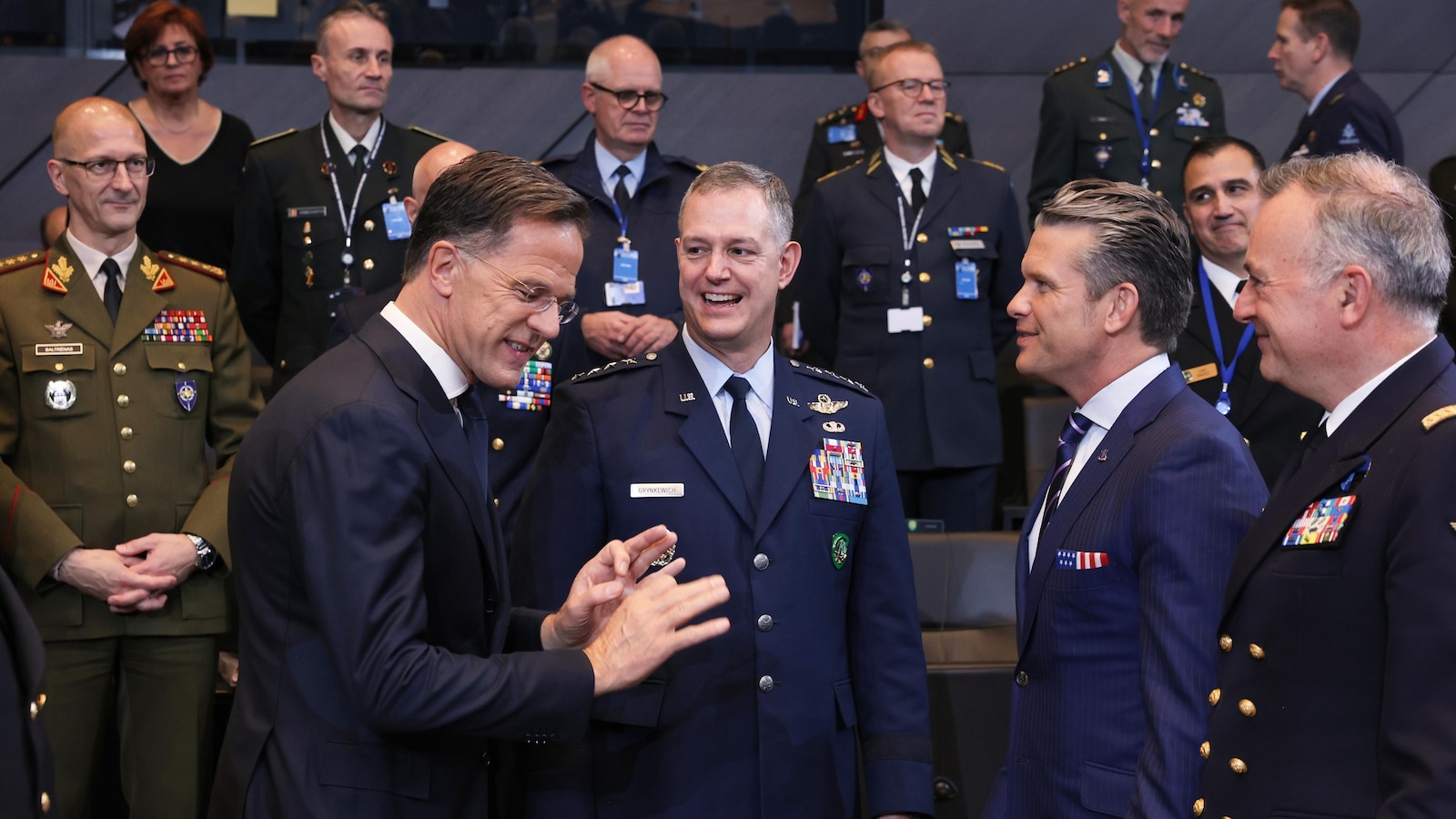
NATO's newest members, Finland and Sweden, announced their commitment to purchase more U.S. weapons for Ukraine through the Prioritized Ukraine Requirements List (PURL) program, aiming to counteract a recent 43% decline in overall foreign military aid. This move, supported by the U.S., highlights growing pressure on NATO allies for increased burden-sharing to support Ukraine's defense, while also exposing internal divisions as some members, notably France, resist PURL to prioritize investment in Europe's own defense industry. The development signals continued demand for U.S. defense sector products and complex strategic dynamics within the alliance regarding aid mechanisms and industrial policy.
Finland and Sweden, NATO's newest members, have committed to purchasing additional U.S. weapons for Ukraine through the Prioritized Ukraine Requirements List (PURL) program. This decision, announced amidst a 43% decline in Western military aid to Ukraine during July and August compared to the first half of the year, aims to counter the "wrong trajectory" of diminishing support. Finland's Defense Minister Antti Häkkänen confirmed their participation, emphasizing the crucial need for critical U.S. weapons.
The PURL mechanism involves European allies and Canada buying American weapons, with approximately $2 billion already allocated, leveraging the estimated $10-$12 billion in available U.S. arms. This initiative signals continued demand for the U.S. defense sector, particularly for companies supplying air defense systems and ammunition. U.S. Defense Secretary Pete Hegseth explicitly encouraged more countries to increase their purchases to support Ukraine.
However, significant internal divisions persist within NATO regarding burden-sharing and procurement strategies. While some, like Estonia's Defense Minister, note a significant decrease in U.S. contributions this year, France actively opposes PURL, advocating for investment in Europe's own defense industry. This stance, coupled with financial constraints in countries like France and Italy, highlights potential friction points and challenges in sustaining a unified, long-term military aid strategy for Ukraine.
AI-powered research, real-time alerts, and portfolio analytics for institutional investors.
Request DemoOverall Sentiment
mixed
Sentiment Score
0.00
