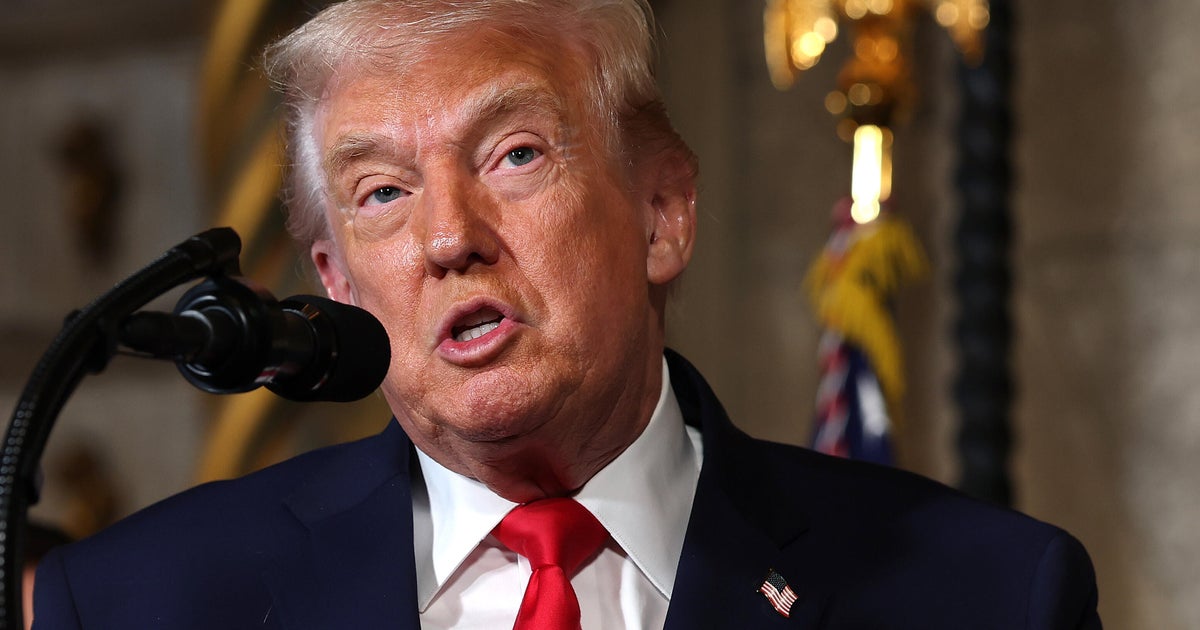
President Trump posted on Truth Social urging termination of TV broadcast licenses for networks whose newscasts and late-night shows are "almost 100% negative" about him and the GOP, singling out Stephen Colbert and criticizing CBS. He has previously suggested the FCC and Chairman Brendan Carr should have authority to revoke licenses; the FCC issues eight-year licenses to stations but notes broadcasters choose content and that the First Amendment and the Communications Act bar Commission censorship. The statements heighten political and regulatory rhetoric around major networks (ABC, CBS, NBC) and create reputational and policy risk, though existing legal constraints and FCC positions make immediate license revocations unlikely; investors should monitor regulatory commentary and any escalation that could affect broadcaster compliance costs or political backlash.
Market structure: The immediate winners are digital ad and streaming platforms (GOOGL, META, NFLX) that can capture advertiser dollars if linear TV ad inventories become politicized; losers are broadcast-heavy owners (Paramount/ PARA, Comcast/ CMCSA, Disney/ DIS) where ~10-20% of revenue is sensitive to national political ad cycles. Pricing power shifts toward targeted digital inventory and subscription models; expect linear CPM compression of 5-15% on contentious programming over 6-12 months if advertisers pull spend.
Risk assessment: Tail risk is regulatory intervention (FCC license actions or punitive fines) — low probability but high impact (20-40% erosion of market cap for exposed broadcasters). Timeline: days = headline-driven equity volatility, weeks–months = FCC hearings/elections driving IV and ad bookings, 1–3 years = structural audience migration accelerating if uncertainty persists. Hidden dependencies include retransmission fee contracts, local station economics, and political ad seasonality that can amplify swings.
Trade implications: Direct tactical trades favor small shorts in PARA and CMCSA and longs in GOOGL/NFLX/META as rotation to digital advertising/streaming; use 1–3% portfolio sizing, scale into FCC hearings or ad-buy blackout windows. Options: buy 3-month PARA put spreads (15/30% OTM) as inexpensive tail hedges and consider selling 30–60 day volatility (covered calls/short strangles) if IV spikes >20% vs 90‑day historical.
Contrarian angle: The market underestimates legal barriers — license revocation is unlikely under the Communications Act, so volatility may be overdone and a mean-reversion trade (sell near-term IV after 10–20% drawdown) can work. Historical parallels (net-neutrality/regulatory blips) show 4–12 week rebounds; keep positions small and hedged to avoid being caught by asymmetric political catalysts.
AI-powered research, real-time alerts, and portfolio analytics for institutional investors.
Request DemoOverall Sentiment
mildly negative
Sentiment Score
-0.30
