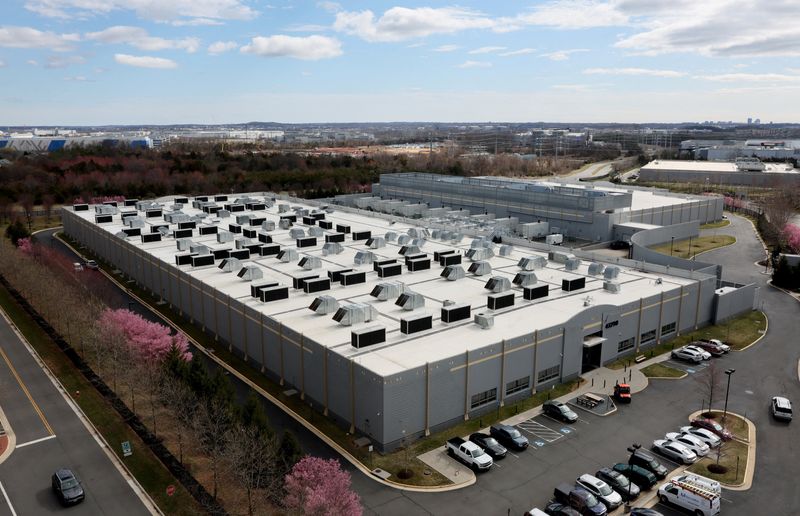
NextEra Energy is reportedly in talks to buy Dominion Energy in a mostly stock deal that could be announced as soon as Monday, with the combined transaction potentially becoming one of the largest ever. The deal would expand NextEra’s exposure to AI and data center power demand, while also facing approvals from antitrust and federal/state energy regulators. The news is supportive for NextEra strategically, though regulatory hurdles remain significant.
This is less about a single utility tie-up and more about a pricing reset for regulated power assets with embedded data-center load. If a premium stock deal clears, it validates that merchant-like growth embedded in regulated utilities can be monetized at a higher multiple, which should compress the valuation gap between the names with dense AI-load exposure and the rest of the sector. The second-order winner is not just the acquirer, but every utility with transmission access, nuclear optionality, or interconnection capacity near large-load corridors.
The near-term catalyst set is binary but the real payoff is over months, not days: regulatory review, state politics, and ratepayer scrutiny can easily stretch or reshape economics. The biggest risk is that approval conditions force divestitures, frozen synergies, or higher capex commitments, turning an accretive stock deal into a balance-sheet drag. On the flip side, if regulators frame this as enabling grid investment for AI demand, it could lower the political cost of future utility M&A and support a broader rerating of infrastructure names.
Consensus is probably underestimating how much this favors the infrastructure supply chain outside the headline utilities. Transmission equipment, grid automation, gas peakers, and nuclear restart/service names can all gain from the signal that hyperscaler load growth is still being underwritten by large-cap capital, not just short-cycle leases. For the hyperscalers, this is mildly positive: the market is proving that power scarcity is being solved by consolidation and capital intensity rather than by a demand cliff, which reduces the chance of near-term AI capex restraint.
AI-powered research, real-time alerts, and portfolio analytics for institutional investors.
Overall Sentiment
moderately positive
Sentiment Score
0.55
Ticker Sentiment
