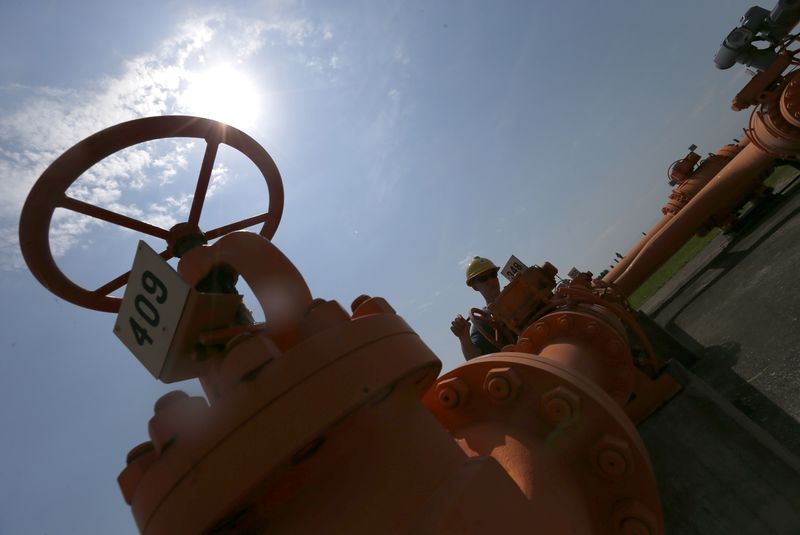
Oil jumped more than 7% to above $102 as investors priced in escalating geopolitical risk ahead of a US blockade on Iran. Eni CEO Claudio Descalzi urged the EU to reconsider its plan to phase out Russian gas imports from 2027, warning that replacing about 20 billion cubic meters of supply would be difficult. The comments underscore tighter energy market conditions and ongoing supply disruption risk across Europe.
The market is starting to price a new regime where geopolitical risk is no longer a transient headline but a persistent supply-premium embedded in energy prices. The second-order effect is not just higher upstream cash flow; it is a widening dispersion across the energy complex as firms with flexible marketing, trading, and LNG exposure gain optionality while refiners and industrial users face margin compression. In Europe, the more binding issue is not aggregate gas availability but the loss of swing supply that stabilizes power markets, which raises the probability of periodic price spikes well before any structural shortage appears. This is constructive for upstream and integrated names with low decline rates and geopolitical diversification, but the better expression is likely outside the obvious beta trade. U.S. LNG infrastructure, midstream export capacity, and non-Russian supply chains should see a multi-quarter rerating as buyers seek contracted replacement molecules, while European utilities and chemical producers remain vulnerable to intermittent input-cost shocks. The most important timing point is that the market can react instantly to headline escalation, but the real earnings upgrade for energy suppliers typically accrues over 2-4 quarters as contract resets, not in the first few days. Contrarian view: the move may be partially overdone tactically if traders extrapolate one-day geopolitical fear into a durable shortage. If diplomacy, sanctions enforcement gaps, or demand destruction soften the shock, prompt prices can mean-revert faster than equity multiples expand. The sharper risk is policy response: any accelerated release of strategic inventories, emergency LNG procurement, or temporary exemptions could cap the upside in crude and gas while leaving end-user sectors stuck with elevated hedging costs. In other words, the best risk/reward is not a blind long-energy basket, but selective exposure to assets that monetize volatility without being hostage to spot-price reversal.
AI-powered research, real-time alerts, and portfolio analytics for institutional investors.
Request DemoOverall Sentiment
moderately negative
Sentiment Score
-0.35
Ticker Sentiment
