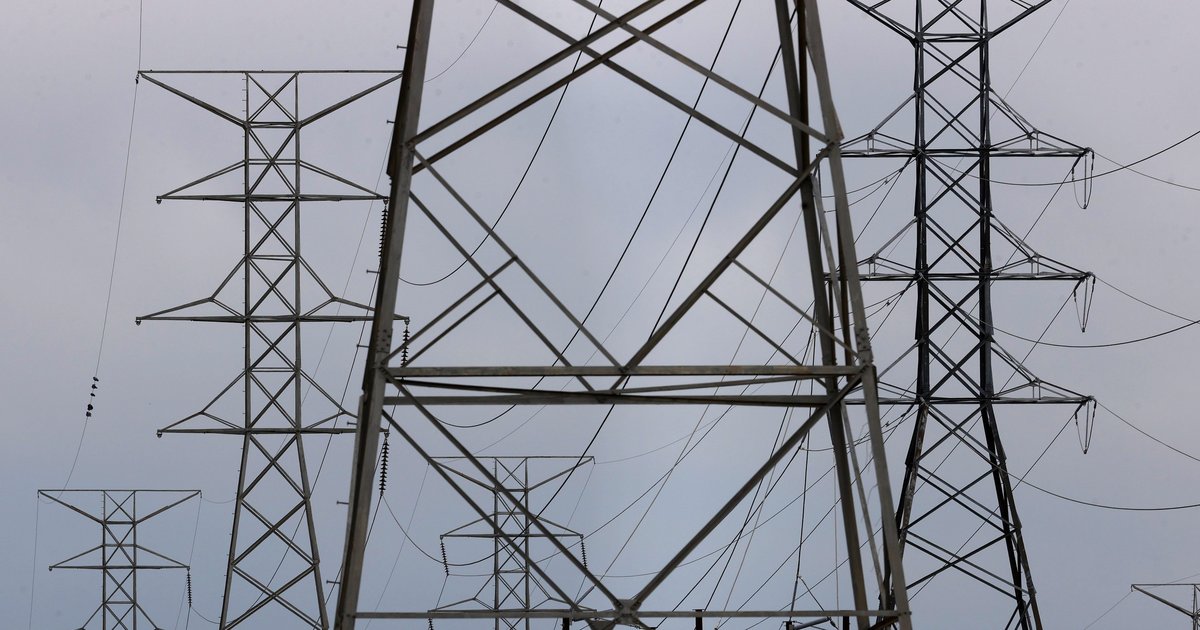
PJM says its 13-state grid is facing a structural shift from surplus to scarcity as data-center demand, electrification, and tighter supply drive record wholesale power prices and higher consumer bills. The operator is floating three reform paths, including longer-term contracts, differentiated reliability rules, or requiring large loads such as data centers to fund their own generation. The report underscores regulatory and market-design pressure on U.S. power markets, with federal price controls in PJM’s auctions extended through 2030.
The key market implication is that PJM is moving from a pure energy-price problem to a capacity-rights problem: the scarce asset is no longer electrons, it is dependable peak-hour deliverability. That tends to re-rate dispatchable assets with fast interconnection, fuel security, and contractual visibility, while punishing assets that rely on merchant price spikes without firm offtake. The longer the market stays in this regime, the more capital shifts from new-build risk toward “installed, financeable, and interconnectable” supply, which is structurally favorable to nuclear life extensions, existing gas fleets, and utility-scale battery hybrids that can monetize peak scarcity.
The second-order winner is likely the infrastructure layer around load growth. Data-center developers cannot absorb multi-year interconnection and permitting delays, so they will increasingly pay for behind-the-meter gas, small modular generation, long-duration PPAs, and storage; this is a margin transfer from utilities and consumers to developers of flexible capacity and grid equipment vendors. Conversely, retail-focused utilities in constrained zones face a bad mix of political rate pressure and capex acceleration, which raises allowed-return uncertainty even as investment needs rise. That can compress equity multiples for regulated utilities in the region if regulators attempt to socialize reliability costs without allowing full pass-through.
The contrarian read is that policy intervention may actually widen, not narrow, the investable opportunity set. If regulators enforce more long-dated contracting, volatility in spot power prices may fall while contract prices remain elevated, which supports cash-flow visibility for IPPs and gas generators but reduces the upside torque in merchant-only names. The biggest timing risk is that any structural reform will take quarters to years, while the near-term market can still overshoot on headlines; that argues for owning duration in the right assets rather than chasing a one-day move in power-linked equities.
AI-powered research, real-time alerts, and portfolio analytics for institutional investors.
Request DemoOverall Sentiment
mildly negative
Sentiment Score
-0.15
