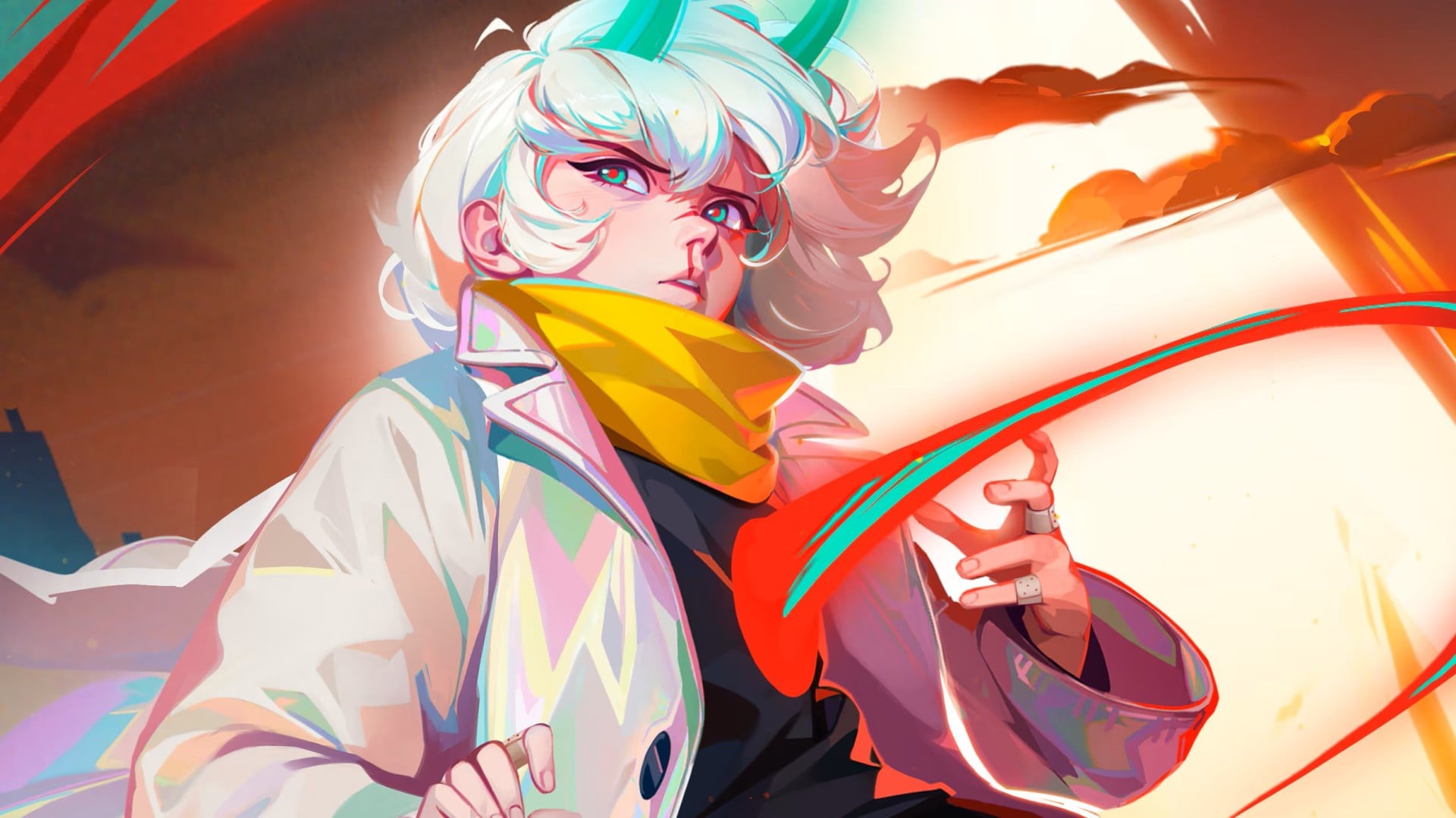
Devolver Digital will bring Possessor(s) to Switch 2 on 29 April 2026, just months after its initial PS5 and PC release. The article notes mixed-to-positive reviews, with a 72 OpenCritic score and 71 on Metacritic for PC, alongside criticism of polish and innovation. It also references Heart Machine’s late-year layoffs and the winding down of Hyper Light Breaker development, which clouds the studio backdrop but does not materially change the launch news.
The commercial read-through is less about this specific title and more about the economics of niche premium game catalogs. A late-cycle platform expansion into a new console can extend the tail of a title whose initial critical reception was merely decent, but it rarely changes the lifetime value curve unless the port meaningfully improves discovery or monetization. The better trade is to view this as a low-probability incremental revenue event for the publisher, while the bigger second-order effect is reputational: a small studio with visible operational strain is being asked to extract more value from the same IP base, which tends to favor portfolio breadth over single-title dependency.
The market is likely underestimating how much launch-quality skepticism suppresses attach rates on day one, especially when the core fan base is already price-sensitive and willing to wait for discounts. That means the near-term upside is mostly option-like: a brief spike in awareness, followed by a long monetization tail if reviews on the new platform are materially better than the original release. If there is no evidence of technical improvement, the port can actually reinforce a “wait for sale” behavior that compresses full-price elasticity across the publisher’s broader back catalog.
From a competitive-dynamics standpoint, this benefits the platform holder more than the developer: new inventory fills the store with content at low distribution cost and helps justify hardware engagement, while the studio absorbs most of the execution risk. The vulnerability is balance-sheet and talent retention, not demand — if the company keeps monetizing older IP instead of financing new breakthroughs, the brand may remain respected but the equity story deteriorates into a shrinking catalog with declining creative optionality.
The contrarian view is that the pessimism may already be too far ahead of the fundamentals. In small-cap games, a single competent port can produce a better-than-expected sell-through curve if the platform audience is underserved and the title lands in a release window with limited competition. The key catalyst is not the port announcement itself, but the first-week user score and any evidence of improved polish; that is what determines whether this becomes a durable back-catalog monetization leg or just another short-lived awareness pop.
AI-powered research, real-time alerts, and portfolio analytics for institutional investors.
Request DemoOverall Sentiment
neutral
Sentiment Score
-0.05
