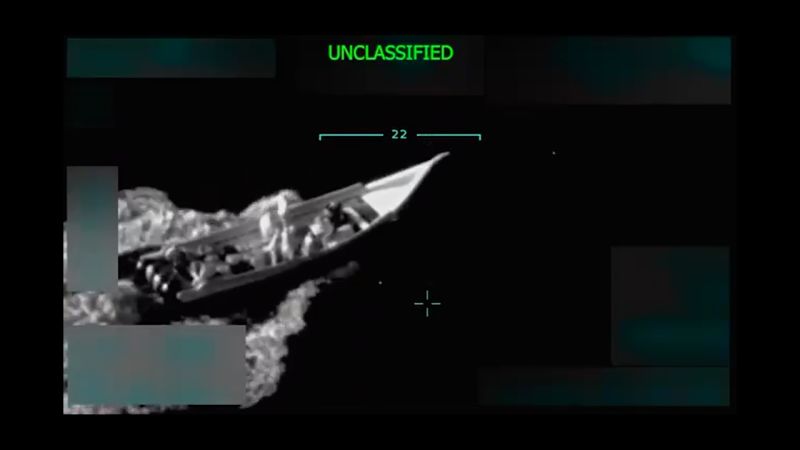
On Sept. 2 U.S. Joint Special Operations struck a suspected cocaine-carrying vessel, with the initial strike killing nine people and a subsequent strike ordered by Adm. Frank Bradley killing two survivors; lawmakers were told four missiles were used and the campaign has involved more than 20 strikes that have killed at least 87 people. The admiral acknowledged the survivors lacked communications, undermining prior Pentagon claims and triggering bipartisan legal and oversight scrutiny — including potential war-crimes allegations — which elevates political and reputational risk around the campaign and could spur regulatory and congressional action.
Market structure: Immediate winners are defense primes and ISR/missile suppliers (Lockheed Martin LMT, Raytheon Technologies RTX, Northrop Grumman NOC, Maxar MAXR) because heightened scrutiny typically drives Congress to shore up oversight but also to fund clearer chains of command and procurement; expect a 6–12 month rerate of +8–15% if hearings produce supportive funding language. Losers include maritime insurers and niche contractors exposed to legal liability (private maritime security firms, unlisted), plus reputational hits to administrations that can transiently pressure equities and increase short-term funding costs for related operations.
Risk assessment: Tail risks include a DOJ or international investigation or formal restriction on “at-sea” targeting that could reduce JSOC-associated procurement by 10–25% for specific munitions lines over 12–24 months; immediate (days) risk is headline-driven volatility, short term (weeks–months) is congressional oversight and potential policy directives, long term (quarters–years) is litigation/regulatory precedent altering rules of engagement. Hidden dependencies: revenue sensitivity to JSOC mission tempo is often small but investor multiples are sentiment-driven; catalysts include Senate Armed Services Committee hearings dates, DOJ referrals, or administration policy memos within the next 30–120 days.
Trade implications: Tactical trades favor selective long exposure to LMT/RTX/NOC and ISR play MAXR while hedging policy risk with puts or index hedges. Use options to express views: buy 3–6 month call spreads on LMT/RTX to limit capital and skew payoff to upside if budgets increase; maintain stop-losses at 8% and take-profit around +12–18% over 6–12 months. Cross-asset: expect modest USD bid on risk-off headlines and a 5–15bp flattening in US 2s–10s on safe-haven flows during peak oversight.
Contrarian angles: Consensus assumes long-term reductions in operations; history (post-9/11/2010s interdiction cycles) shows operational controversies often produce short-term political noise but eventual budget support—creating 5–20% mispricings on quality defense names. If hearings are more performative than regulatory, sell-side downgrades could produce buyable dips; conversely, a rare regulatory tightening would be the systemic event to short munitions suppliers and buy insurance stocks. Be ready to scale into positions on >5% headline-driven dislocations within 5 trading days.
AI-powered research, real-time alerts, and portfolio analytics for institutional investors.
Request DemoOverall Sentiment
moderately negative
Sentiment Score
-0.50
