

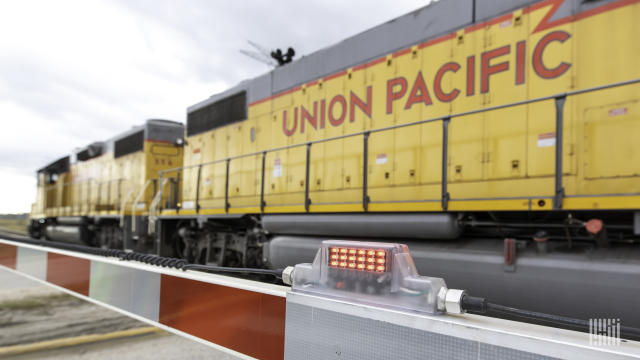
Union Pacific said it fully addressed required information in its revised merger application with Norfolk Southern, pushing back on claims from six state attorneys general that the filing was incomplete. The key catalyst is the Surface Transportation Board’s expected ruling on the updated application this week; the companies argue the deal would create substantial pro-competitive benefits and advance U.S. supply chain reindustrialization. The article is primarily a regulatory and antitrust update on the proposed UP/NS merger rather than a direct financial results event.
The market is really trading the probability distribution around regulatory process, not the legal merits of the merger itself. A clean STB path would likely force a fast rerating in both names because the current spread is still implicitly pricing meaningful odds of delay or a second rejection; the bigger second-order winner is not just UNP/NSC, but industrial customers and intermodal corridors that would benefit from a more integrated rail network and better service reliability if the deal eventually clears.
The near-term setup is asymmetric because this is a binary catalyst on a days-to-weeks horizon, while the operational benefits are years-long. If the STB signals completeness, the next leg is likely driven by antitrust headlines and state AG escalation rather than fundamentals, which means volatility should stay elevated even on positive rulings. A rejection would likely punish NSC harder than UNP because NSC is the lower-quality standalone asset and the stock has more merger optionality embedded.
The contrarian miss is that a “complete” filing does not equal approval, so a relief rally could fade if investors realize the real gating item is now substantive scrutiny of downstream market power and divestiture remedies. That creates an attractive trade if the spread widens on an incomplete/rejected ruling: the market may overreact on timing, while the eventual path still likely ends in negotiated concessions rather than outright death. Longer term, the most important loser could be short-line rail and certain terminal operators if the combined railroad uses network density to pull freight away from intermediaries.
AI-powered research, real-time alerts, and portfolio analytics for institutional investors.
Request TrialOverall Sentiment
neutral
Sentiment Score
0.05
Ticker Sentiment
