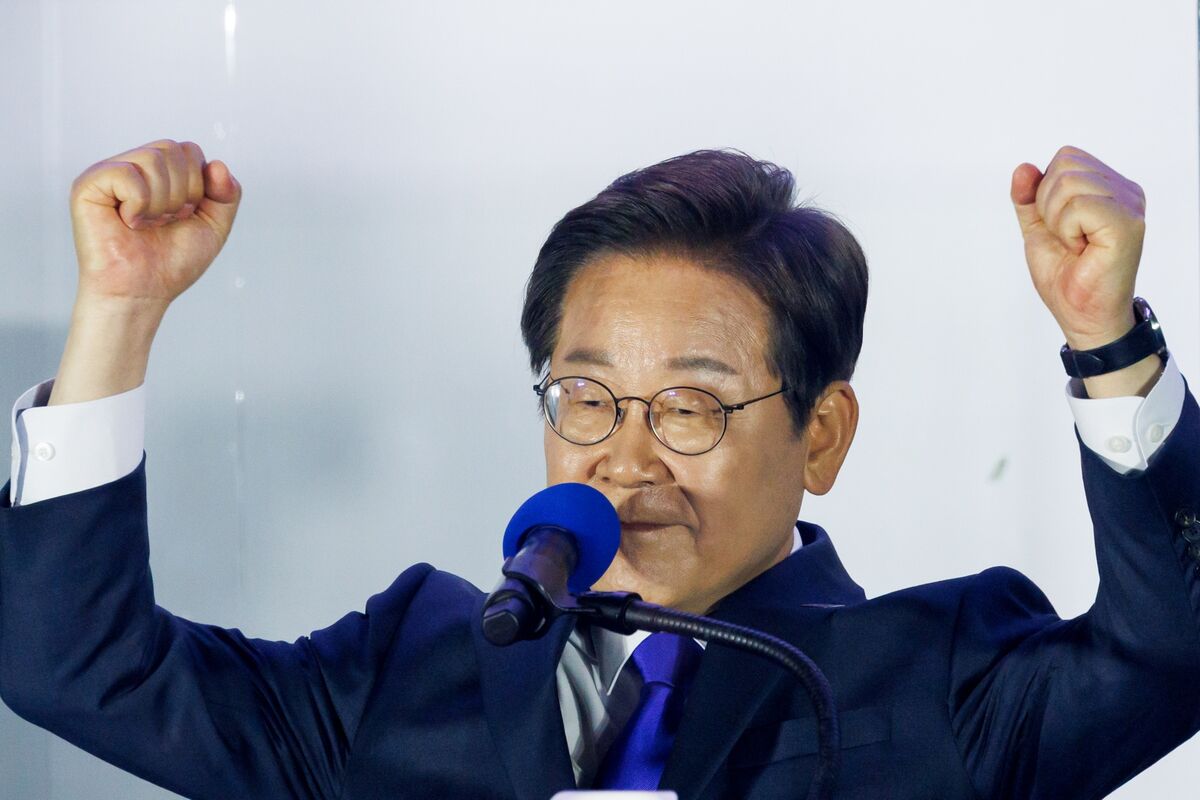
Lee Jae-myung has become South Korea's new president after surviving an assassination attempt in early 2024; this development may alter the balance of power in East Asia.
The ascension of Lee Jae-myung to the South Korean presidency, notably after surviving an assassination attempt in early 2024, signals a potentially pivotal moment for East Asian geopolitics. Identified as an "outspoken South Korea Leftist," his leadership is anticipated to introduce shifts that "may alter [the] balance in East Asia." This development carries a moderate market impact score of 0.6 and an uncertain tone, reflecting the unpredictability of his policy direction and its regional consequences. Investors will need to scrutinize forthcoming administrative appointments and policy announcements, particularly concerning inter-Korean relations, alliances with major powers, and domestic economic agendas, as these could diverge significantly from previous trajectories and influence regional stability and economic relationships.
AI-powered research, real-time alerts, and portfolio analytics for institutional investors.
Request DemoOverall Sentiment
neutral
Sentiment Score
0.00
